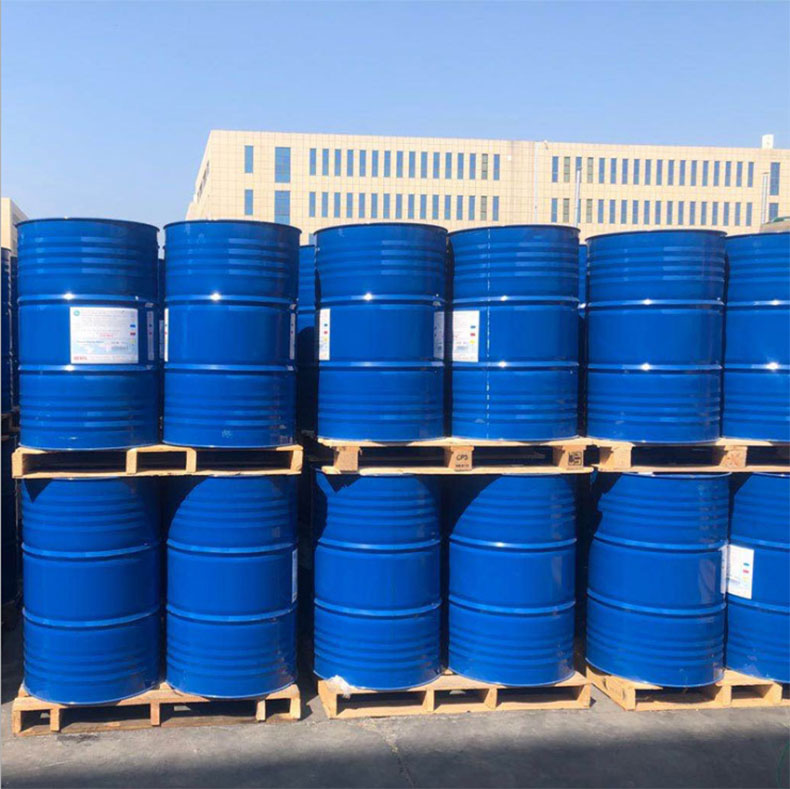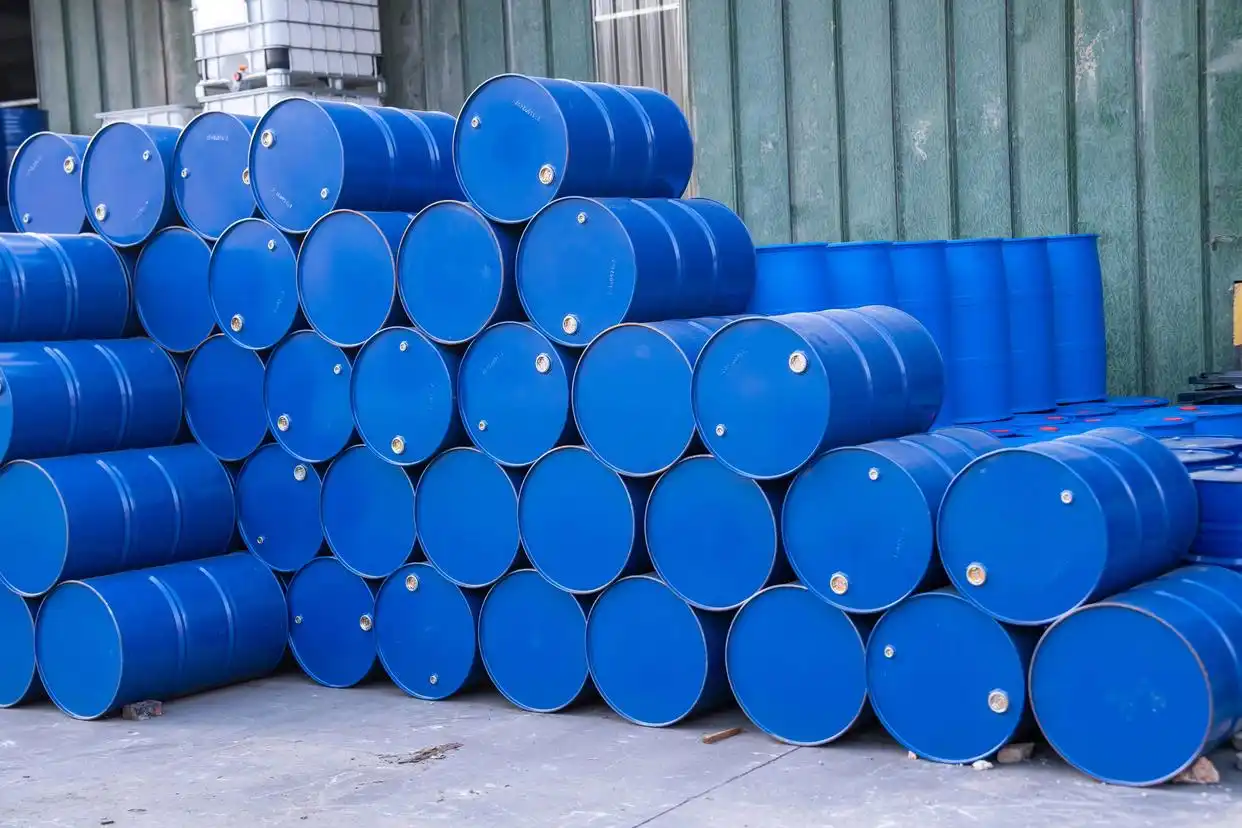










n-Hexanoic Acid, CAS 142-62-1, is also known as caproic acid. It is a straight-chain C6 carboxylic acid used as a building block for esterification and other organic synthesis. Confirm the required assay or impurity limits, packaging and intended technical use before requesting specifications and quotation.
n‑Hexanoic Acid CAS 142-62-1
- CAS: 142-62-1
- Synonyms: n-Hexanoic acid; Hexanoic acid; Caproic acid; n-Caproic acid
- Einecs: 205-550-7
- Molecular Formula: C₆H₁₂O₂
- Grade: Confirm the current product specification for the offered material.
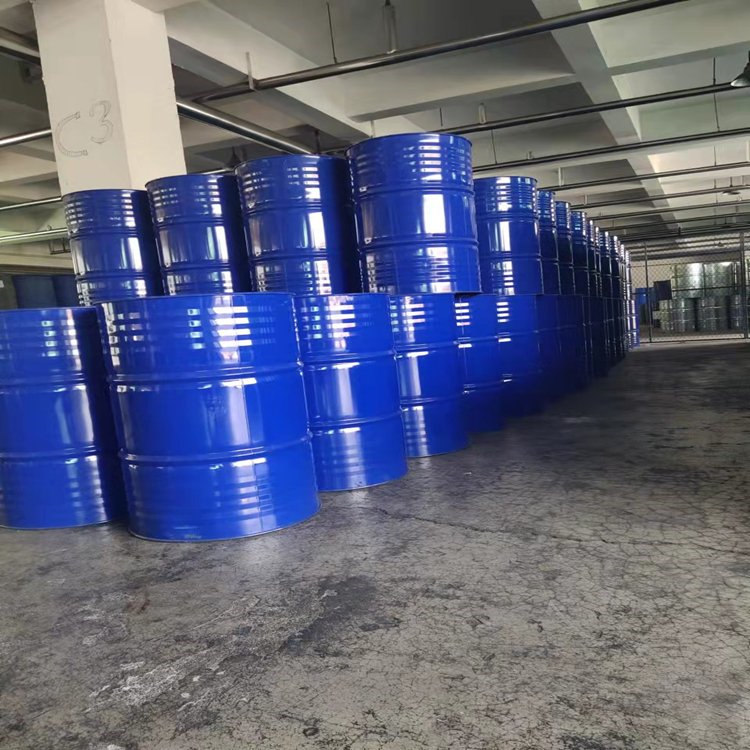
- Package: Confirm packaging suitable for the offered material and destination requirements.
Product Description
n-Hexanoic Acid, also known as Hexanoic Acid or Caproic Acid, is a straight-chain C6 carboxylic acid.
CAS number: 142-62-1.
Molecular weight: 116.16 g/mol.
Molecular formula: C₆H₁₂O₂.
Chemical identity
CAS 142-62-1 identifies the straight-chain C6 acid. For the related C8 acid, see Caprylic Acid (Octanoic Acid); its CAS number and specification differ from this C6 material.
For an RFQ, state the required assay or impurity limits, quantity, packaging, intended technical use, and destination. Assess suitability for esterification or another process against the current specification of the material proposed.
FAQ - Technical & Supply Chain
-
Q:
Are n-Hexanoic Acid, Hexanoic Acid and Caproic Acid the same acid?
A: Yes. These names identify CAS 142-62-1, the straight-chain C6 carboxylic acid with formula C6H12O2. It is not a branched C6 isomer or a mixed C6-C8 fatty-acid cut. State the CAS number, normal isomer and required assay in the inquiry. -
Q:
What is n-Hexanoic Acid used for?
A: It is used as a C6 carboxylic-acid building block for esterification and other organic synthesis routes. Assess suitability for esterification or another process against the current specification of the material proposed, including purity and related acid impurities. -
Q:
Which batch criteria matter when purchasing industrial n-Hexanoic Acid?
A: Confirm GC assay, appearance and colour, water, acid value, refractive index where used, nonvolatile residue and limits for related C5-C7 acids with the methods. The batch specification should be matched to the intended ester or downstream product. -
Q:
What packaging and storage details should be confirmed?
A: Align acid-compatible packaging, transport classification, storage temperature and transfer requirements with the offered material. Use closed containers suitable for carboxylic acids and confirm net quantity, destination and unloading arrangements. -
Q:
What information should an RFQ include for n-Hexanoic Acid?
A: State the required assay or impurity limits, quantity, packaging, intended technical use and destination. Request the current product specification, and use the CAS number to distinguish the straight-chain C6 acid from isomers or mixed cuts.
Ordering & Documentation
Key information for document requests, quotations, and supply planning.
Documents
Tell us which documents your procurement team needs. Before an order, we will check whether the quoted source can provide them for the offered lot.
Quotation
Send the CAS number, grade, quantity, packing preference and destination.
Sample & Supply
Ask whether samples, trial quantities or repeat orders are possible. We will check each request against the sourced product and current offer.
Storage & Shipping
Product-specific conditions are confirmed before order.