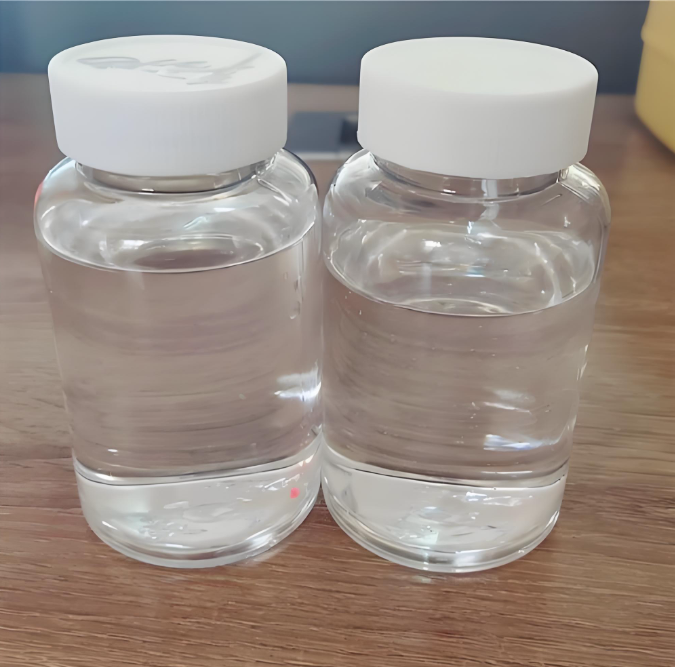
Decanoic Acid, identified by CAS 334-48-5, is a medium-chain saturated fatty acid characterized by its high-purity ten-carbon carboxylic acid structure. As a versatile decanoic acid, this technical-grade capric acid functions as a primary building block in various chemical intermediate synthesis processes. This crystalline decylic acid is valued for its ability to undergo esterification and amidation to produce high-performance lubricants, specialized plasticizers, and aromatic esters for industrial use. Our facility provides competitive factory pricing and customized specifications regarding purity levels to ensure seamless integration into complex organic synthesis chains. For technical validation and regulatory compliance, we offer comprehensive MSDS, TDS, COA documentation and maintain consistent bulk supply for global industrial distribution.
Decanoic Acid CAS 334-48-5
- CAS: 334-48-5
- Synonyms: Capric acid, Decylic acid, n-Capric acid, n-Decanoic acid, Decylic acid
- Einecs: 206-376-4
- Molecular Formula: C10H20O2
- Grade: Technical Grade / Cosmetic Grade / Flavour Grade
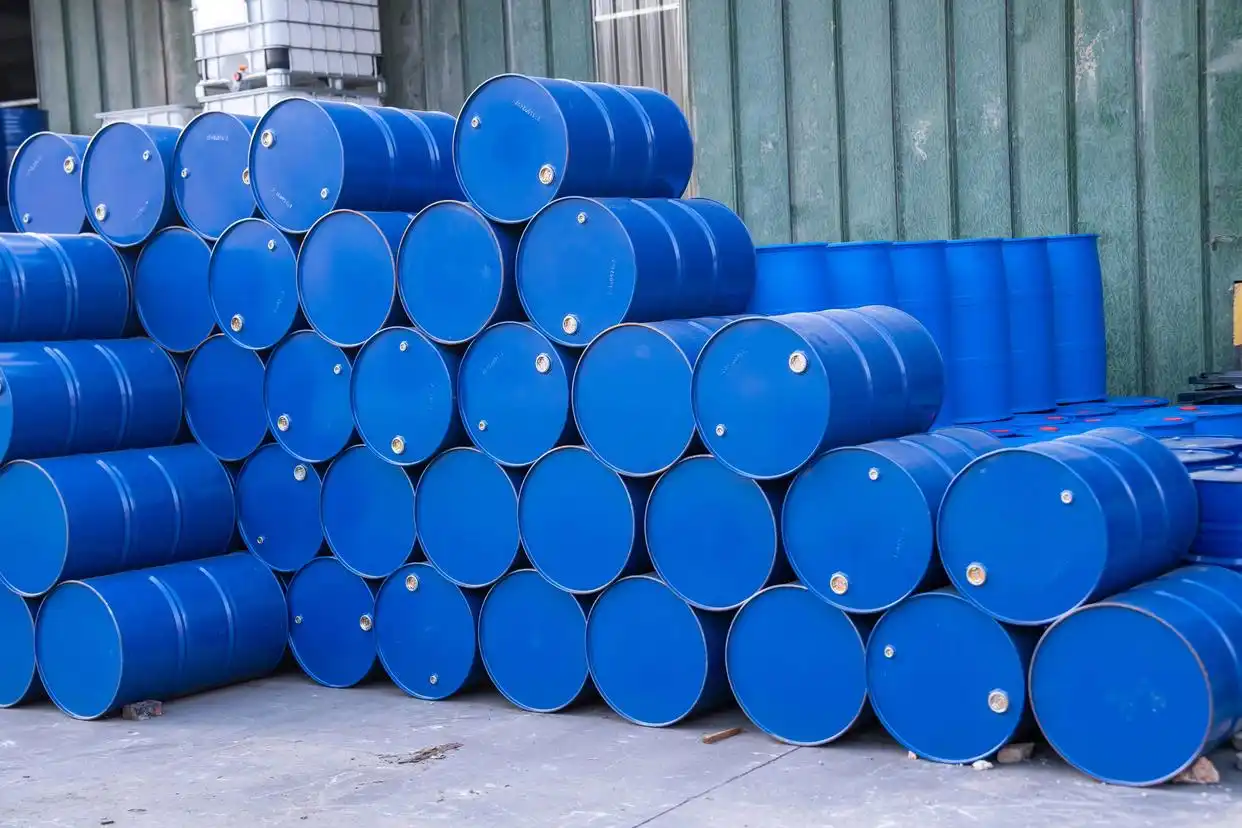
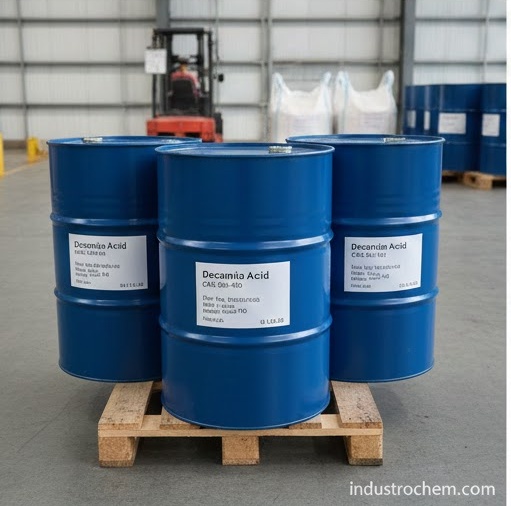
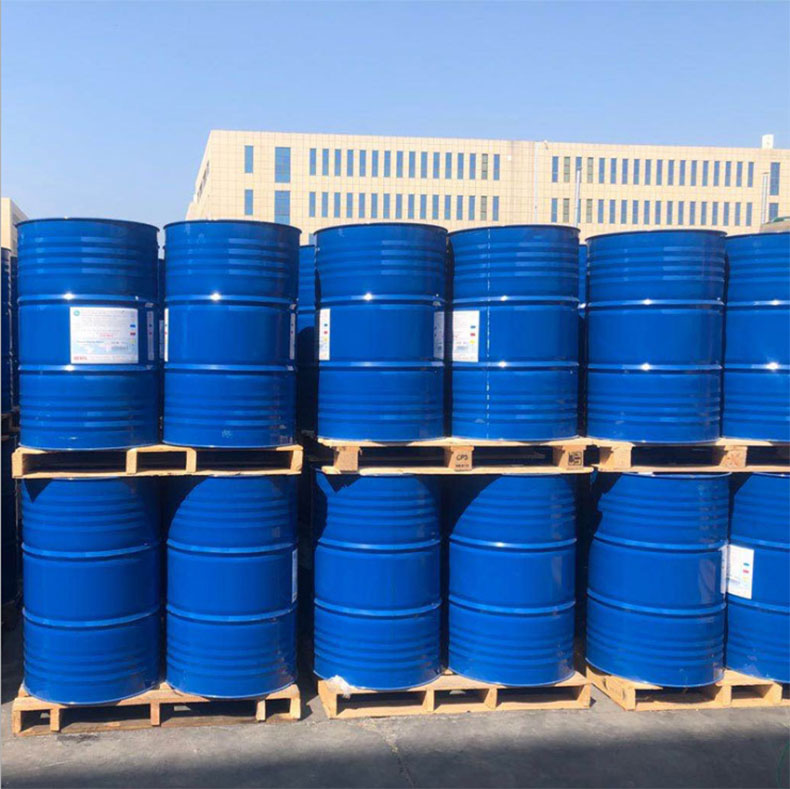
- Package: 180kg Epoxy-lined Steel Drum / 850kg IBC / ISO Tank (Heated).
Product Description
Decanoic Acid is a straight-chain fatty acid. While it is naturally found in milk and various plant oils, industrial production relies on the hydrolysis and fractionation of tropical oils.
Key Features of our C10 Acid:
- High Purity: We strictly control the C8 (Caprylic) and C12 (Lauric) cuts to ensure the C10 content meets the stringent requirements for synthesizing downstream esters.
- Color Stability: Our product has a low APHA color value, making it excellent for cosmetic emollients and clear lubricants where color quality is paramount.
- Reactivity: It reacts readily with alcohols to form esters (Decanoates), which are widely used in flavors and fragrances.
Physicochemical Properties
The table below represents the typical specifications for our Fractionated C10 Acid.
| Parameter | Specification |
|---|---|
| Appearance | White crystals or colorless liquid |
| Acid Value | 321 – 329 mg KOH/g |
| Saponification Value | 322 – 330 mg KOH/g |
| Iodine Value | ≤ 0.5 g I2/100g (High saturation) |
| Titer (Melting Point) | 31.0°C – 32.0°C |
| Color (Hazen/APHA) | ≤ 20 (Liquid state) |
| Moisture | ≤ 0.2% |
| C10 Content (GC) | ≥ 98.0% (Typical 99%+) |
| C8 Content | ≤ 1.0% |
| C12 Content | ≤ 1.0% |
Applications
- Synthetic Lubricants & Greases:
- Used to produce Polyol Esters (POEs) for aviation turbines and refrigeration compressor oils. C10 esters provide excellent thermal stability.
- Personal Care & Cosmetics:
- A raw material for manufacturing esters used as emollients and emulsifiers.
- Flavors & Fragrances:
- Ethyl Decanoate (formed from Decanoic Acid) is a key component in fruit flavors like grape and cognac.
- Agriculture:
- Used in the formulation of eco-friendly herbicides and pesticides.
- Plasticizers:
- Used in the synthesis of plasticizers for rubber and plastics.
Storage Conditions (Critical)
- Temperature Management: Decanoic Acid has a melting point near 31.5°C.
- In Summer: It will likely be liquid.
- In Winter: It will solidify into a hard white mass.
- Heating: If melting is required, use a hot room or drum heating belt. Do not overheat (keep < 50°C) to prevent oxidation and darkening (yellowing).
- Corrosion: It is a weak acid but can corrode carbon steel over time. We recommend storing in Stainless Steel (SS304/316) tanks or lined drums.
- Ventilation: The product has a distinct, slightly rancid/sour fatty odor. Store in a well-ventilated area away from living quarters.
Safety Precautions
- Skin Irritation: Pure Decanoic Acid is a skin irritant. Direct contact can cause redness and burning. Always wear chemical-resistant gloves (Nitrile/Neoprene).
- Eye Contact: Causes serious eye irritation. Safety goggles are mandatory during handling.
- Inhalation: Inhalation of vapors or mist (if heated) can irritate the respiratory tract.
- Leakage: If the liquid solidifies after a spill, scrape it up mechanically. If liquid, absorb with sand or earth.
FAQ - Technical & Supply Chain
-
Q:
How is CAS 334-48-5 utilized as a precursor in the production of industrial esters?
A: Decanoic Acid (CAS 334-48-5) is typically applied in the esterification process with various alcohols to synthesize decyl esters, which serve as essential components in the formulation of high-stability synthetic lubricants and greases. -
Q:
Is this material intended for use in the manufacturing of industrial grease or metalworking fluids?
A: Yes, this raw material is commonly used to produce metal soaps and greases due to its specific carbon chain length, which provides an optimal balance between oil solubility and structural thickening properties in industrial lubricant systems.
Documents and Product Support
For product review and sourcing evaluation, supporting documents can be coordinated according to the product type, inquiry stage, and order requirements.
- COA for batch-based quality reference
- TDS for key physical and chemical information
- SDS / MSDS for handling, storage, and safety reference
- Packing information for sample, trial, and bulk orders
- Technical communication based on application and specification requirements
Information to Confirm Before Quotation
Clear sourcing information helps reduce specification mismatch and allows a more accurate quotation before sample or bulk order discussion.
- Product name and CAS number
- Application or intended end use
- Required purity, grade, or specification
- Sample quantity, trial order, or bulk demand
- Preferred packing form or net weight
- Destination country or port
- Required documents or compliance expectations
Packaging, Storage, and Handling Notes
Packaging form, storage conditions, shelf life, and shipment arrangements should be confirmed according to the product characteristics, package size, and destination requirements.
Before order confirmation, buyers are advised to review the corresponding product documents and confirm whether any special storage, labeling, or handling requirements apply.
Sample, Bulk Order and Repeat Supply Support
Support can be arranged for sample discussion, bulk supply planning, packaging confirmation, and routine sourcing communication based on the actual product and order requirements.
For repeat-use formulations or long-term procurement plans, buyers may discuss specification consistency, packaging preferences, delivery expectations, and document coordination in advance.