










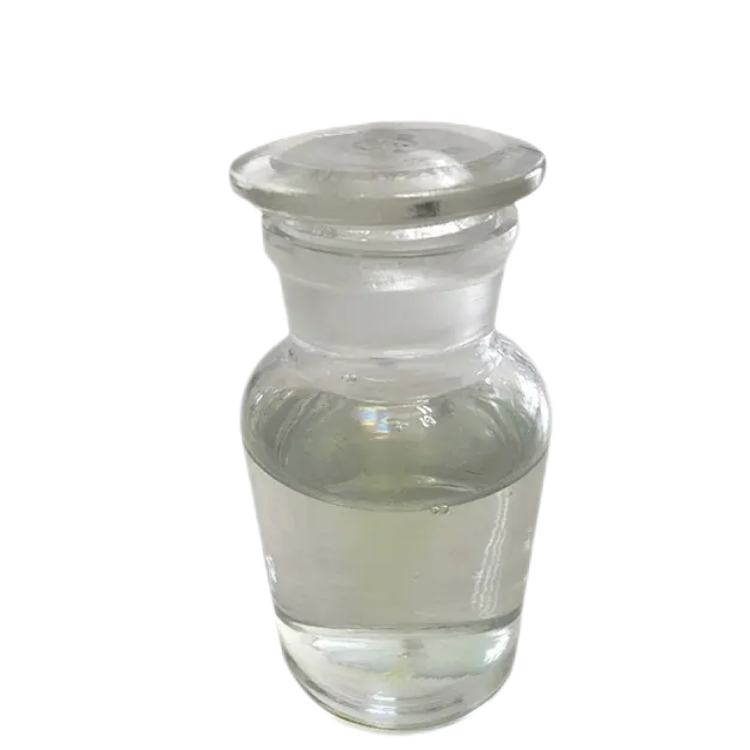
Octamethylcyclotetrasiloxane CAS 556-67-2 is a low molecular weight cyclic volatile methyl siloxane (cVMS) chemically defined as a cyclic dimethylsiloxane tetramer, functioning primarily as a fundamental monomer in the ring-opening polymerization of silicone rubber and oil manufacturing. Often designated as D4 or OMCTS within the organosilicon industry, this substance serves as a critical intermediate for synthesizing polydimethylsiloxane (PDMS) chains and is utilized to adjust the degree of polymerization in downstream silicone production processes. We provide professional access to this material with competitive factory pricing and the ability to meet customized specifications for various manufacturing requirements. Our commitment to technical transparency ensures that every shipment is accompanied by comprehensive MSDS, TDS, COA documentation to support your quality assurance protocols, and we maintain capacity for consistent bulk supply to facilitate large-scale industrial operations.
Octamethylcyclotetrasiloxane CAS 556-67-2
- CAS: 556-67-2
- Synonyms: D4, OMCTS, Cyclic dimethylsiloxane tetramer, 2,2,4,4,6,6,8,8-Octamethylcyclotetrasiloxane, Cyclotetrasiloxane octamethyl
- Einecs: 209-136-7
- Molecular Formula: C₈H₂₄O₄Si₄
- Grade: Industrial Grade
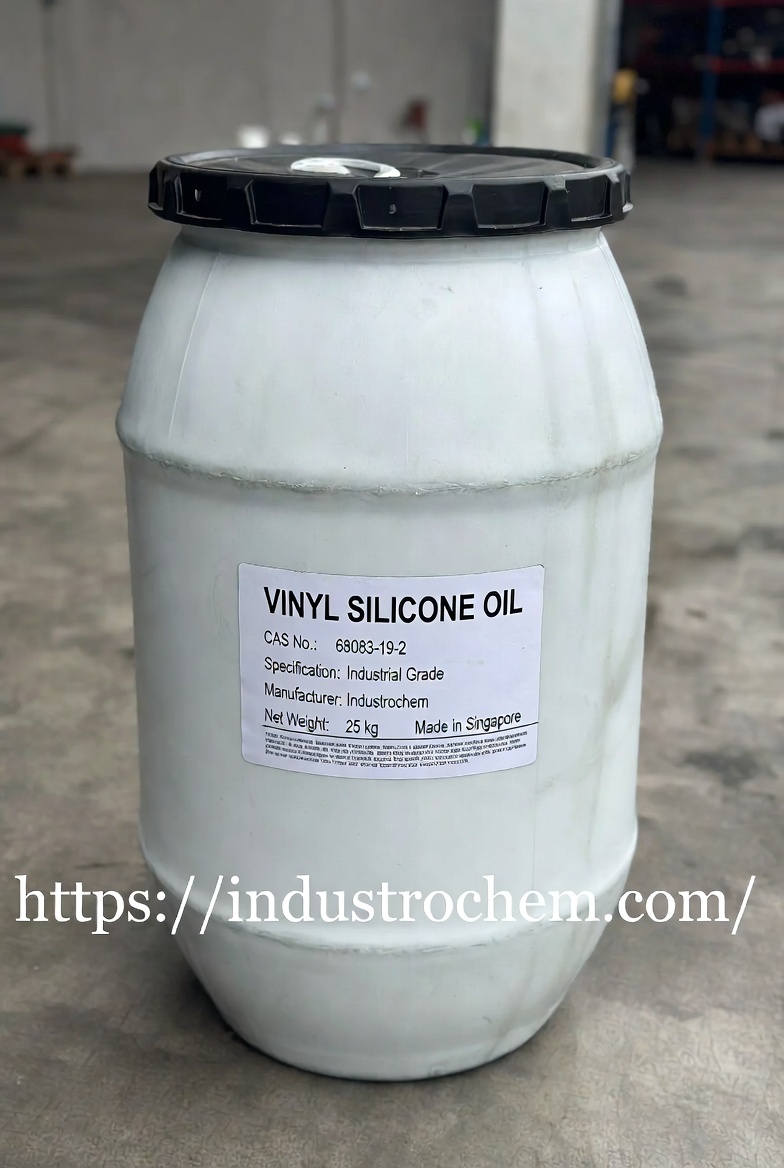
- Package: 200 kg drum / 1000 kg IBC (customizable)
Product Description
D4 is a colorless, low-viscosity liquid with moderate volatility and excellent silicone compatibility. In industrial production, it is widely used as a key feedstock for manufacturing silicone oils, silicone rubbers, and silicone resins through controlled polymerization routes. Its stable structure and low surface tension can be beneficial in certain industrial formulations where silicone-type slip, spreading, or processing performance is required.
Physicochemical Properties
Typical values for reference; final specifications follow batch COA.
| Item | Typical Value / Specification |
|---|---|
| Appearance | Colorless, clear liquid |
| CAS | 556-67-2 |
| EC (EINECS) | 209-136-7 |
| Molecular formula | C₈H₂₄O₄Si₄ |
| Molecular weight | 296.62 g/mol |
| Melting / freezing point | ~17 °C |
| Boiling point | ~175–176 °C |
| Density (20–25 °C) | ~0.95–0.96 g/mL |
| Flash point (closed cup) | ~51–55 °C |
| Water solubility | Very low / practically insoluble |
| Vapor pressure (25 °C) | ~124 Pa (typical reference) |
Applications
- Silicone polymer manufacturing: feedstock/intermediate for silicone oils, rubbers, resins (ring-opening polymerization)
- Industrial process fluid / carrier for selected formulations where silicone compatibility is required (user evaluation recommended)
- Laboratory / specialty chemical use where cyclic siloxane properties are needed (subject to compliance)
Storage Conditions
- Store in tightly sealed containers in a cool, dry, well-ventilated area.
- Keep away from heat, sparks, open flames, and strong oxidizers.
- Recommended storage temperature: below 30°C (typical guidance).
- Prevent moisture/impurity contamination; keep container closed when not in use.
Safety Precautions
- Handle as a flammable liquid: keep away from ignition sources; use grounded equipment when transferring.
- Avoid inhalation of vapors; ensure good ventilation. Wear chemical goggles and protective gloves.
- Spills: contain with inert absorbent; prevent discharge to drains/waterways.
- Regulatory note (EU): D4 is addressed under EU REACH restrictions for certain uses (notably wash-off cosmetic products and broader cyclosiloxane emission controls). Confirm compliance for your target market and application.
FAQ - Technical & Supply Chain
-
Q:
How is Octamethylcyclotetrasiloxane (CAS 556-67-2) chemically distinguished from other cyclic siloxanes?
A: Octamethylcyclotetrasiloxane is specifically identified by CAS 556-67-2 and consists of a defined ring structure containing four silicon atoms and four oxygen atoms with eight methyl groups. This structure distinguishes it from the pentamer (D5) or hexamer (D6) analogs used in different volatility applications. -
Q:
What is the primary industrial application of Octamethylcyclotetrasiloxane in polymer synthesis?
A: In chemical manufacturing, this material is intended for use as a precursor monomer. It undergoes ring-opening polymerization to form long-chain siloxane polymers (PDMS), which are the foundational backbones for silicone fluids, elastomers, and sealants.
Documents and Product Support
For product review and sourcing evaluation, supporting documents can be coordinated according to the product type, inquiry stage, and order requirements.
- COA for batch-based quality reference
- TDS for key physical and chemical information
- SDS / MSDS for handling, storage, and safety reference
- Packing information for sample, trial, and bulk orders
- Technical communication based on application and specification requirements
Information to Confirm Before Quotation
Clear sourcing information helps reduce specification mismatch and allows a more accurate quotation before sample or bulk order discussion.
- Product name and CAS number
- Application or intended end use
- Required purity, grade, or specification
- Sample quantity, trial order, or bulk demand
- Preferred packing form or net weight
- Destination country or port
- Required documents or compliance expectations
Packaging, Storage, and Handling Notes
Packaging form, storage conditions, shelf life, and shipment arrangements should be confirmed according to the product characteristics, package size, and destination requirements.
Before order confirmation, buyers are advised to review the corresponding product documents and confirm whether any special storage, labeling, or handling requirements apply.
Sample, Bulk Order and Repeat Supply Support
Support can be arranged for sample discussion, bulk supply planning, packaging confirmation, and routine sourcing communication based on the actual product and order requirements.
For repeat-use formulations or long-term procurement plans, buyers may discuss specification consistency, packaging preferences, delivery expectations, and document coordination in advance.


