











Polydimethylsiloxane, identified by CAS 63148-62-9, is a high-stability silicone polymer characterized by a repeating inorganic siloxane backbone with organic methyl side groups. As a versatile polydimethylsiloxane, this technical-grade dimethylpolysiloxane functions as a primary hydrophobic agent and thermal stabilizer in various industrial lubricant formulation processes. This linear methyl silicone oil is valued for its low surface tension, high dielectric strength, and excellent shear resistance across extreme temperature gradients. Our facility provides competitive factory pricing and customized specifications regarding viscosity centistokes to ensure compatibility with specific mechanical or chemical systems. For technical validation and safety compliance, we offer comprehensive MSDS, TDS, COA documentation and maintain consistent bulk supply for global industrial distribution.
Polydimethylsiloxane (PDMS) CAS 63148-62-9
- CAS: 63148-62-9
- Synonyms: Dimethylpolysiloxane, Dimethicone, Methyl silicone oil, Poly(dimethylsiloxane)
- Einecs: 613-156-5
- Molecular Formula: (C₂H₆OSi)ₙ
- Grade: Industrial Grade
- Package: 25 kg pail / 200 kg drum / 1000 kg IBC (customizable)
Product Description
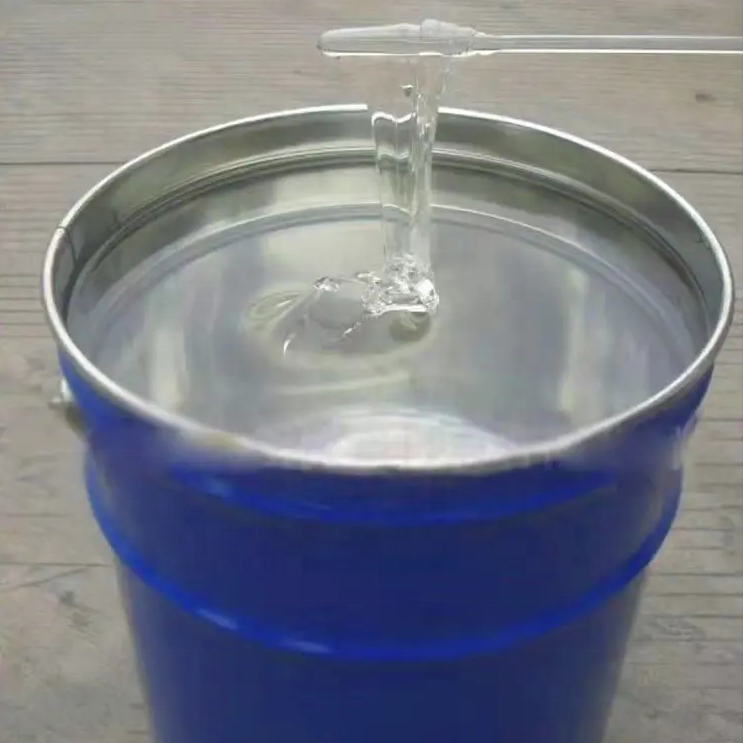
This PDMS silicone fluid is a clear, odorless, chemically stable polymer with excellent thermal resistance, water repellency, and lubricity. The 10,000 cSt viscosity grade provides strong film-forming and slip performance, making it suitable for industrial lubrication, mold release systems, rubber/plastics processing, and surface treatment formulations where long-lasting smoothness and low reactivity are required.
Physicochemical Properties (Typical)
| Item | Specification / Typical Value |
|---|---|
| Chemical name | Polydimethylsiloxane (PDMS) |
| CAS | 63148-62-9 |
| Appearance | Colorless to light-yellow transparent liquid |
| Odor | Odorless / mild |
| Viscosity (25°C) | 10,000 cSt (typical) |
| Density (25°C) | ~0.965–0.980 g/cm³ |
| Refractive index (25°C) | ~1.402–1.405 |
| Flash point | > 300°C (typical) |
| Pour point | approx. -30°C to -40°C (typical) |
| Volatility | Low |
| Solubility in water | Insoluble |
| Solubility in organic solvents | Generally soluble in many non-polar solvents (compatibility test recommended) |
| Surface tension (25°C) | ~20–22 mN/m (typical) |
Applications
- Mold release / demolding aid for rubber, plastics, and composite processing
- Industrial lubricant / anti-wear film for light mechanical lubrication needs
- Defoamer base fluid (as a silicone carrier in antifoam formulations)
- Water-repellent & surface treatment for textiles, leather, paper, and mineral surfaces
- Process aid in rubber compounding and plastics processing to improve flow and reduce sticking
- Polishing / slip additive in certain coatings and maintenance products (compatibility check recommended)
Storage Conditions
- Store in sealed original containers in a cool, dry, well-ventilated place.
- Keep away from strong oxidizers and strong acids/alkalis.
- Recommended storage temperature: 5–35°C.
- Avoid moisture contamination, dust, and prolonged direct sunlight.
- Typical shelf life: 12 months under proper storage (subject to batch/packaging).
Safety Precautions
- Avoid contact with eyes and prolonged skin exposure; wear gloves and safety goggles during handling.
- Use adequate ventilation when processing at elevated temperature.
- Spills may create slip hazards—clean immediately with suitable absorbents.
- Dispose according to local regulations; do not discharge large quantities into drains.
- SDS can be provided upon request.
FAQ - Technical & Supply Chain
-
Q:
How does the viscosity of CAS 63148-62-9 impact its selection for industrial application?
A: The chain length of Polydimethylsiloxane determines its kinematic viscosity; lower centistoke versions are typically applied as specialized solvents or heat transfer fluids, while high-viscosity grades function as heavy-duty lubricants or damping fluids. -
Q:
Is this material compatible with organic polymer matrices in composite manufacturing?
A: This industrial ingredient is commonly used as a processing aid or internal mold release agent because its low surface energy allows for efficient separation and improved flow characteristics in various resin systems.
Documents and Product Support
For product review and sourcing evaluation, supporting documents can be coordinated according to the product type, inquiry stage, and order requirements.
- COA for batch-based quality reference
- TDS for key physical and chemical information
- SDS / MSDS for handling, storage, and safety reference
- Packing information for sample, trial, and bulk orders
- Technical communication based on application and specification requirements
Information to Confirm Before Quotation
Clear sourcing information helps reduce specification mismatch and allows a more accurate quotation before sample or bulk order discussion.
- Product name and CAS number
- Application or intended end use
- Required purity, grade, or specification
- Sample quantity, trial order, or bulk demand
- Preferred packing form or net weight
- Destination country or port
- Required documents or compliance expectations
Packaging, Storage, and Handling Notes
Packaging form, storage conditions, shelf life, and shipment arrangements should be confirmed according to the product characteristics, package size, and destination requirements.
Before order confirmation, buyers are advised to review the corresponding product documents and confirm whether any special storage, labeling, or handling requirements apply.
Sample, Bulk Order and Repeat Supply Support
Support can be arranged for sample discussion, bulk supply planning, packaging confirmation, and routine sourcing communication based on the actual product and order requirements.
For repeat-use formulations or long-term procurement plans, buyers may discuss specification consistency, packaging preferences, delivery expectations, and document coordination in advance.


