










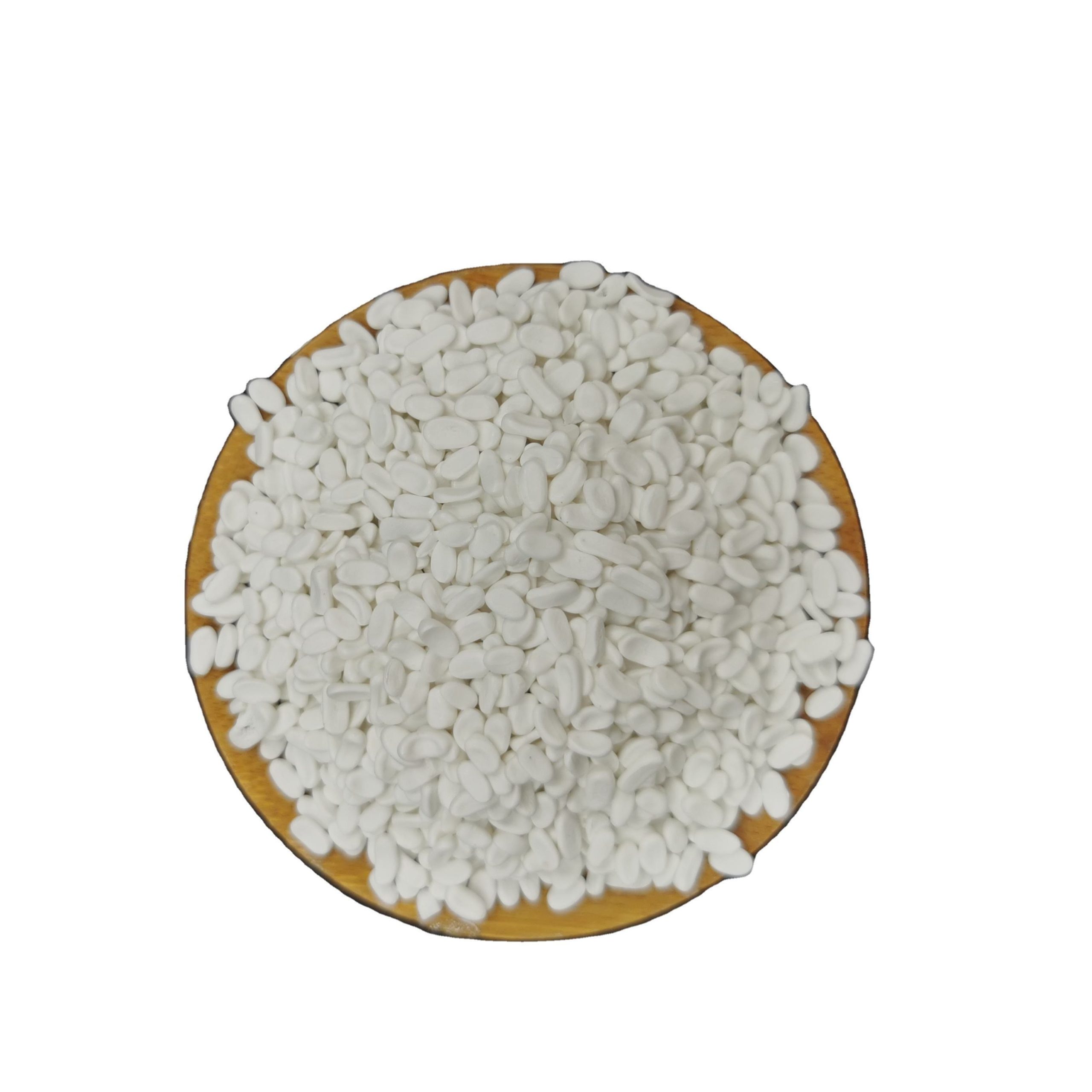
Antimony Trioxide (CAS 1309-64-4), commercially abbreviated as ATO, is a critical inorganic compound utilizing its synergistic reaction mechanism to significantly enhance the efficacy of halogenated flame retardants. Chemically identified as Antimony(III) oxide, this high-whiteness, fine crystalline powder functions not as a standalone retardant, but as a powerful synergist that reacts with chlorine or bromine sources to form volatile antimony halides, which scavenge free radicals and inhibit combustion. As the industry-standard Flame Retardant Synergist, it is extensively integrated into plastics (PVC, ABS, HIPS), rubber, textiles, and coatings to achieve high fire safety ratings (such as UL94 V-0). Additionally, high-purity grades serve as an essential polymerization catalyst in the manufacturing of PET (Polyethylene Terephthalate) resins and fibers. We ensure bulk supply capabilities for this material, providing access to competitive factory pricing and customized specifications to meet specific particle sizes (e.g., 0.5μm, 1.0μm) and whiteness standards. Full technical documentation, including MSDS, TDS, COA, is available to support compliance and safety protocols.
Antimony Trioxide CAS 1309-64-4
- CAS: 1309-64-4
- Synonyms: Antimony(III) oxide, Diantimony trioxide, ATO, Antimonous oxide, Antimony oxide, Sb2O3
- Einecs: 215-175-0
- Molecular Formula: Sb₂O₃
- Grade: Industrial Grade
- Package: 25 kg bag (standard); 500 kg / 1000 kg big bag optional

Product Description
ATO is a white crystalline powder with high thermal stability and very low water solubility. In flame-retardant systems, it acts as a synergist that can promote formation of flame-inhibiting species during combustion and improve self-extinguishing performance (formulation-dependent). It is also used where consistent whiteness, dispersibility and stable performance are required in processing.
Physicochemical Properties
Typical values; final specs follow COA by batch and grade.
| Item | Typical Value / Specification |
|---|---|
| Appearance | White powder / white crystalline powder |
| CAS | 1309-64-4 |
| EC (EINECS) | 215-175-0 |
| Molecular formula | Sb₂O₃ |
| Molecular weight | 291.52 g/mol |
| Density | ~5.2–5.7 g/cm³ (polymorph dependent) |
| Melting point | ~656 °C |
| Boiling / behavior | Sublimes at high temperature (commonly reported) |
| Solubility in water | Insoluble / very low solubility |
| Solubility in acids | Soluble in acids (formulation/acid strength dependent) |
Applications
- Flame-retardant synergist in PVC/cables, rubber, plastics and certain textiles/coatings (used with compatible FR packages)
- Masterbatch / polymer compounding as a functional additive where stable whiteness and dispersion are required
- Glass/ceramics & pigment-related uses (process-dependent; user trial recommended)
Storage Conditions
- Store in a cool, dry, well-ventilated warehouse, in tightly sealed original packaging.
- Keep away from moisture and dust contamination; avoid unnecessary dust generation during handling.
- Keep away from strong oxidizers and incompatible reactive chemicals.
- Shelf life: typically 24 months under proper storage (depends on packaging and humidity control).
Safety Precautions
- Avoid inhalation of dust; use local exhaust ventilation and dust mask/respirator when handling powders.
- Wear protective gloves and safety goggles; wash hands after handling.
- Many SDS/CLP classifications list Antimony(III) oxide as Carcinogenicity Category 2 (H351: suspected of causing cancer); follow SDS and local regulations for workplace exposure control.
- Spills: avoid raising dust; collect using suitable methods and dispose according to local rules.
FAQ - Technical & Supply Chain
-
Q:
Why is Antimony Trioxide CAS 1309-64-4 called a "synergist"?
A: Antimony Trioxide generally does not provide sufficient flame retardancy when used alone. It functions as a "synergist" because it must be combined with halogenated flame retardants (like Chlorinated Paraffin or Decabromodiphenyl Ethane). The chemical reaction between Sb2O3 and the halogen creates powerful flame-extinguishing compounds, allowing for lower total loading levels and better cost-performance. -
Q:
Is this material available in dust-free forms?
A: Yes, in addition to the standard dry powder, we can supply Wetted (with DOP/DIDP oil) or Masterbatch forms to minimize dust generation during handling and improve dispersion in polymer matrices, which is critical for worker safety and processing efficiency.
Documents and Product Support
For product review and sourcing evaluation, supporting documents can be coordinated according to the product type, inquiry stage, and order requirements.
- COA for batch-based quality reference
- TDS for key physical and chemical information
- SDS / MSDS for handling, storage, and safety reference
- Packing information for sample, trial, and bulk orders
- Technical communication based on application and specification requirements
Information to Confirm Before Quotation
Clear sourcing information helps reduce specification mismatch and allows a more accurate quotation before sample or bulk order discussion.
- Product name and CAS number
- Application or intended end use
- Required purity, grade, or specification
- Sample quantity, trial order, or bulk demand
- Preferred packing form or net weight
- Destination country or port
- Required documents or compliance expectations
Packaging, Storage, and Handling Notes
Packaging form, storage conditions, shelf life, and shipment arrangements should be confirmed according to the product characteristics, package size, and destination requirements.
Before order confirmation, buyers are advised to review the corresponding product documents and confirm whether any special storage, labeling, or handling requirements apply.
Sample, Bulk Order and Repeat Supply Support
Support can be arranged for sample discussion, bulk supply planning, packaging confirmation, and routine sourcing communication based on the actual product and order requirements.
For repeat-use formulations or long-term procurement plans, buyers may discuss specification consistency, packaging preferences, delivery expectations, and document coordination in advance.


