






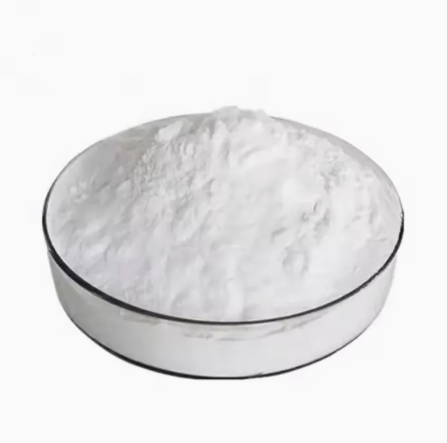
Zinc Borate is a multifunctional inorganic additive characterized by its role as a flame retardant, smoke suppressant, and char-promoting agent in diverse polymer and coating systems. This white, non-hygroscopic crystalline powder acts through an endothermic release of water and the formation of a protective vitreous layer, a reaction mechanism that effectively isolates the substrate from oxygen and heat. Primarily applied in the compounding of PVC, polyolefins, and engineering plastics, this versatile flame retardant ZB or boric acid zinc salt is often used as a synergistic agent with antimony trioxide to reduce material costs while enhancing fire safety ratings. Its industrial utility extends to wood-plastic composites and intumescent coatings where it functions as a critical biocide and corrosion inhibitor. We provide competitive factory pricing across various particle sizes to meet customized specifications, ensuring reliable bulk supply supported by complete technical documentation including MSDS, TDS, COA.
Zinc Borate CAS 12767-90-7
- CAS: 12767-90-7
- Synonyms: Boric acid zinc salt, Zinc Borate 2335, Anhydrous Zinc Borate, Flame Retardant ZB, Zinc Borate Hydrate.
- Einecs: 235-804-2
- Grade: Industrial Grade / Flame Retardant Grade
- Package: 25kg/bag, 500kg/bulk bag, or 1000kg/palletized bag
Product Description
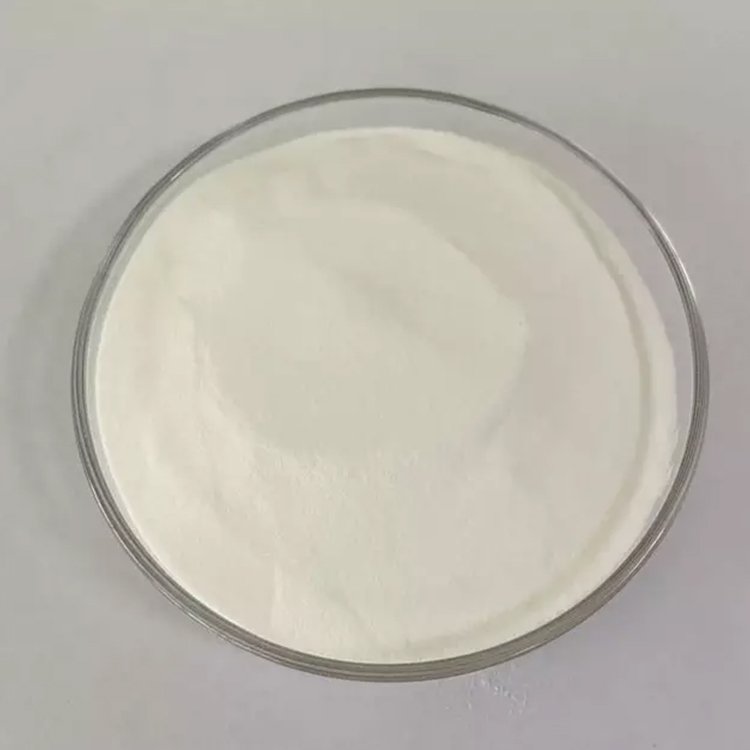
Zinc Borate (specifically the 3.5 hydrate grade, commonly known as ZB-2335) is a highly efficient, multi-functional inorganic flame retardant and smoke suppressant. Designed to withstand processing temperatures up to 290°C, it is widely utilized as an eco-friendly alternative to antimony trioxide in halogen-free or halogenated polymer compounding, including PVC, PE, PP, and synthetic rubber.
As a specialized chemical manufacturer, our zinc borate features exceptional whiteness and ultra-fine particle size distribution (D50: 2.0-5.0 μm) to ensure excellent dispersion during extrusion. We provide competitive factory pricing for various industrial sectors and can accommodate customized specifications for specialized intumescent coatings. Backed by stable bulk supply capabilities, every shipment is fully documented with an up-to-date MSDS, TDS, COA to support your facility’s safety and quality control compliance.
Technical Data
| Property | Specification (ZB-2335 Grade) |
| ZnO Content (%) | 37.0 – 40.0 |
| B2O3 Content (%) | 45.0 – 48.0 |
| Whiteness (%) | ≥ 95.0 (Critical for compounding) |
| Surface Moisture (%) | ≤ 0.5 |
| Loss on Ignition (450°C) | 13.5 – 15.5% |
| Dehydration Temp. (°C) | ≥ 290°C |
| Particle Size (D50) | 2.0 – 5.0 μm |
Applications
- Polymer Compounding: Functions as a flame retardant and smoke suppressant in PVC, PE, PP, and Polyamide (PA) formulations.
- Coatings & Paints: Utilized in intumescent coatings to improve char layer integrity and provide antifungal properties.
- Wood & Paper: Acts as a preservative and flame retardant for wood-plastic composites (WPC) and industrial paper treatments.
- Rubber Industry: Employed in conveyor belts and wire/cable insulation to meet stringent fire safety standards.
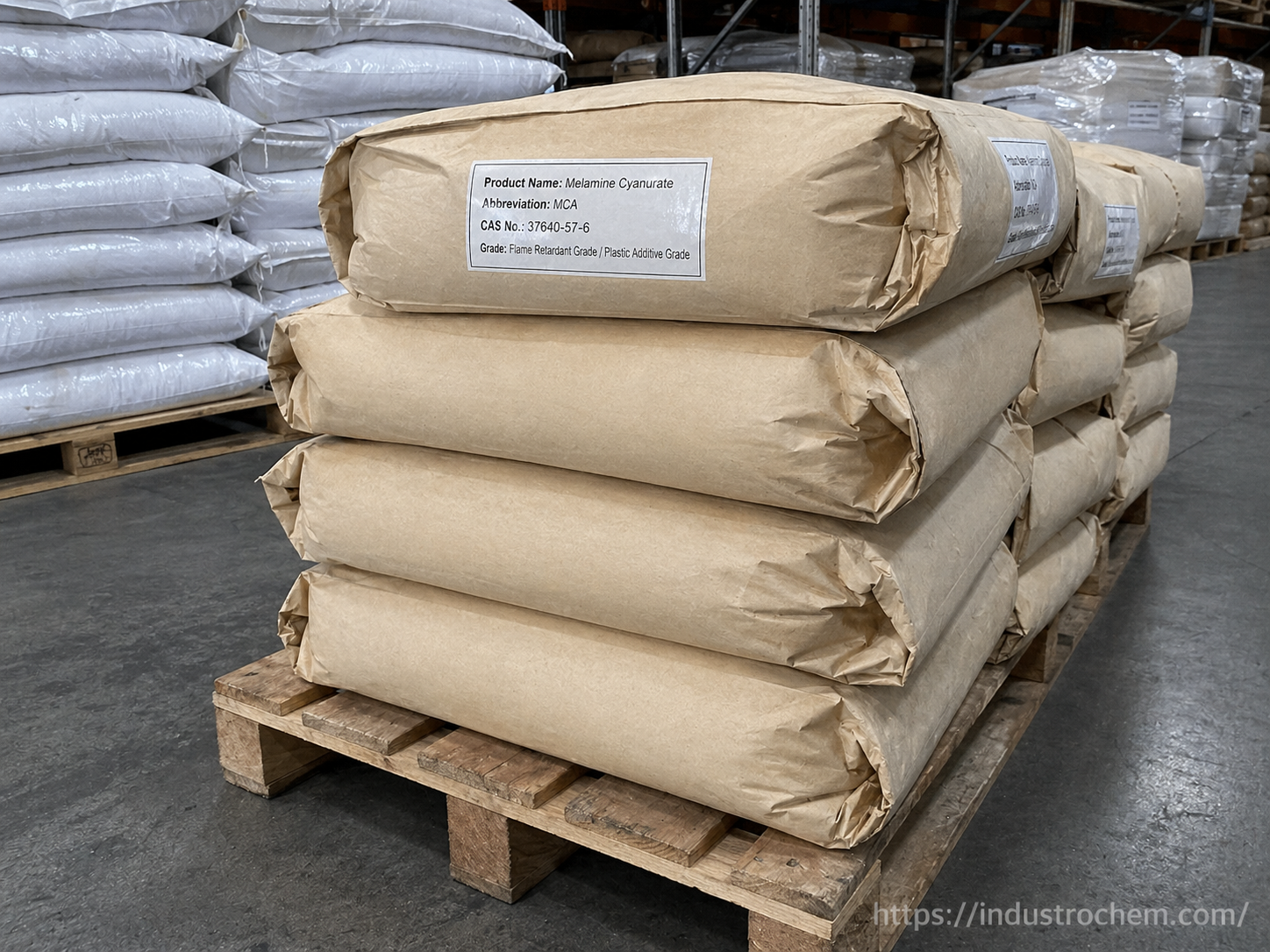
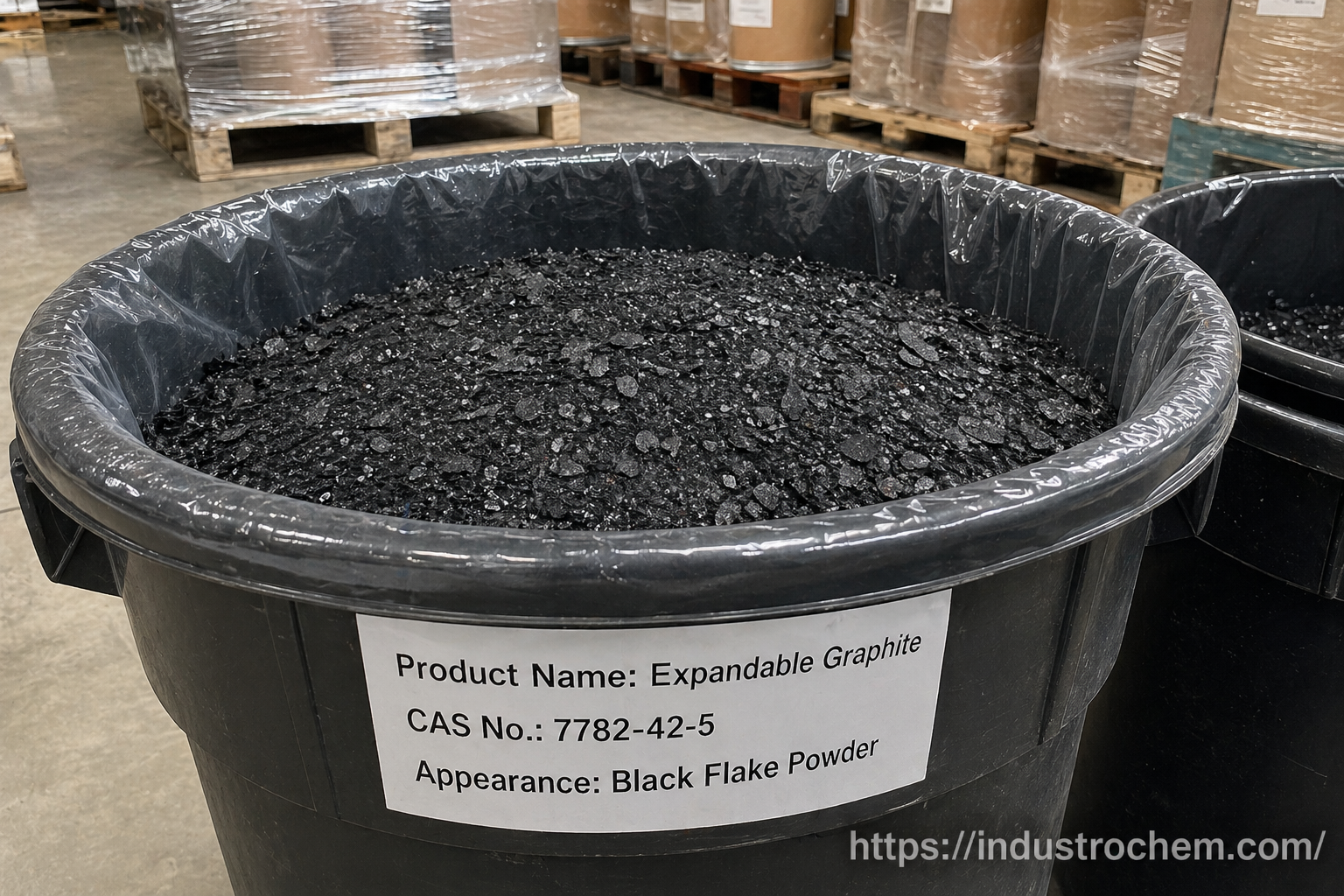
For other flame-retardant raw materials used in polymer systems, see Melamine Cyanurate and Antimony Trioxide.
Storage & Safety
- Storage: Keep in a dry, cool, and well-ventilated area. Zinc Borate is non-hygroscopic, but exposure to high humidity should be avoided to prevent compaction. Ensure bags are tightly sealed when not in use.
- Safety & PPE: Zinc Borate is considered low toxicity but may cause mild respiratory or eye irritation. Industrial operators should utilize dust-proof goggles, nitrile gloves, and a minimum of an N95-rated dust mask during bulk handling and mixing.
Quality Assurance
Our manufacturing facility implements a rigid quality management system focused on particle size distribution and chemical purity. Every batch is analyzed using X-Ray Fluorescence (XRF) for oxide content verification and Laser Diffraction for micron-level particle size consistency. This ensures that the Zinc Borate integrates seamlessly into high-speed extrusion and injection molding processes without affecting the mechanical properties of the final industrial polymer.
FAQ - Technical & Supply Chain
-
Q:
Is this Zinc Borate (CAS 12767-90-7) suitable for high-temperature processing of engineering plastics?
A: Yes, the 3.5 hydrate grade (typically identified by this CAS) has a dehydration temperature starting above 290°C. This makes it suitable for industrial processing in polymers like Nylon or Polyester that require high extrusion temperatures, where lower-grade hydrates would prematurely release water and cause processing defects. -
Q:
Can Zinc Borate completely replace Antimony Trioxide (Sb2O3) in industrial flame retardant formulations?
A: In most industrial applications, Zinc Borate is intended for use as a partial replacement or synergist. While it can replace up to 50% of Sb2O3 in certain PVC or Polyolefin recipes to reduce costs and smoke density, it is typically applied in a synergistic ratio to achieve the highest UL-94 fire safety ratings without compromising material strength. -
Q:
Is this product compatible with intumescent fire-retardant coatings?
A: Yes, Zinc Borate is an excellent fluxing agent in intumescent coatings. During a fire, it melts to form a protective glassy layer, which stabilizes the carbonaceous char foam and prevents oxygen transfer, effectively shielding the underlying steel or wood structures.
Ordering & Documentation
Key information for document requests, quotations, and supply planning.
Documents
COA, TDS, SDS/MSDS and packing details are available on request.
Quotation
Send the CAS number, grade, quantity, packing preference and destination.
Sample & Supply
Support is available for samples, trial orders, bulk and repeat supply.
Storage & Shipping
Product-specific conditions are confirmed before order.