










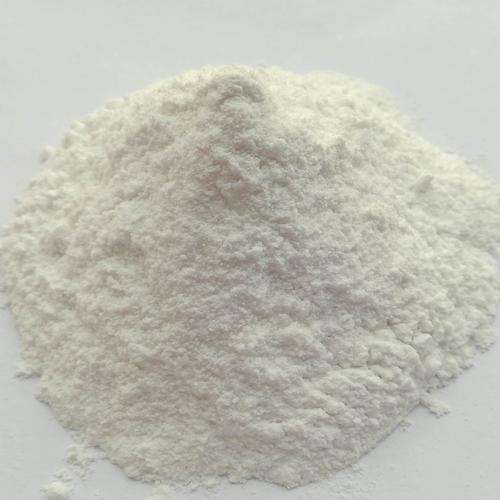
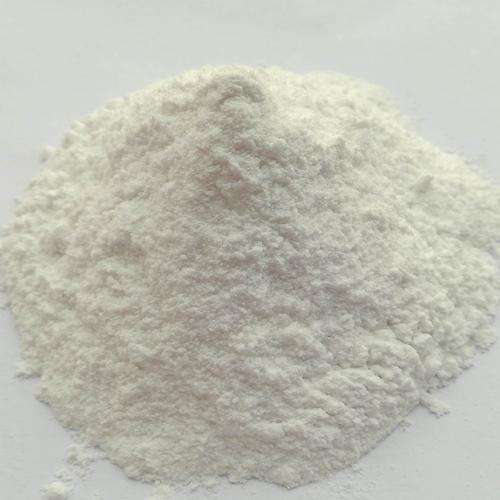
Ammonium Polyphosphate (CAS 68333-79-9), commonly abbreviated as APP, is a highly efficient inorganic polymer utilizing its high phosphorus and nitrogen content to function as a premier halogen-free flame retardant. Chemically identified as the ammonium salt of polyphosphoric acid, this white, free-flowing powder acts through an intumescent mechanism; upon exposure to heat, it decomposes to release non-combustible gases and forms a thick, insulating carbonaceous char layer (foam) that cuts off oxygen and heat from the substrate. It is commercially available in different crystal phases, with Phase II (High Polymerization, n>1000) being the industry standard for solvent-based intumescent coatings, thermoplastics (PP, PE), and polyurethane foams due to its low water solubility and high thermal stability. We ensure bulk supply capabilities for this material, providing access to competitive factory pricing and customized specifications to meet specific requirements, such as Silane Surface Treatment (to improve water resistance and compatibility) or Melamine-modified grades. Full technical documentation, including MSDS, TDS, COA, is available to support compliance and safety protocols.
Ammonium Polyphosphate (APP) CAS 68333-79-9
- CAS: 68333-79-9
- Synonyms: APP, APP Phase II, Polyphosphoric acids ammonium salts, Ammonium polyphosphate flame retardant, APP Intumescent
- Einecs: 269-789-9
- Molecular Formula: (NH₄PO₃)ₙ
- Grade: Industrial Grade
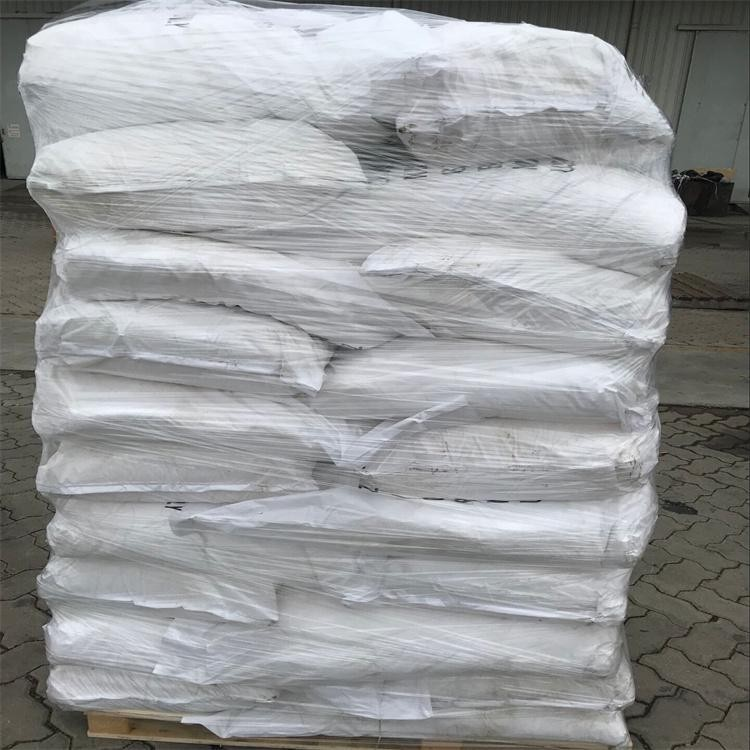
- Package: 25 kg bag (standard); 500 kg / 1000 kg big bag optional
Product Description
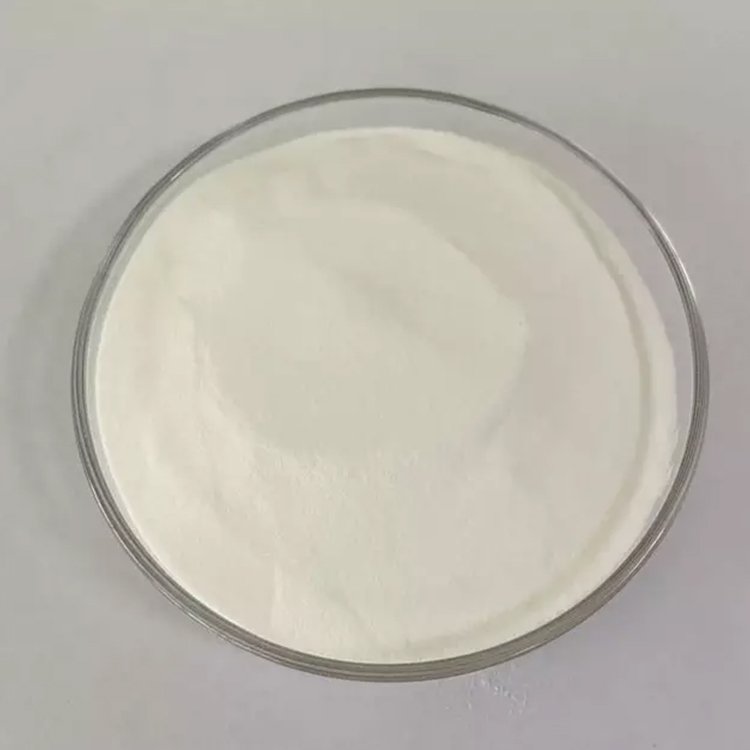
APP is an inorganic polymeric phosphate salt containing both phosphorus and nitrogen. In intumescent flame-retardant (IFR) formulations, it acts as an acid source and char promoter, supporting the formation of a protective expanded carbonaceous layer under fire exposure. High-polymerization APP (often Phase II) is preferred when water resistance, thermal stability, and migration resistance are important.
Physicochemical Properties
Typical values for industrial APP Phase II; final COA values are batch-dependent.
| Item | Typical Specification |
|---|---|
| Appearance | White powder / granular powder |
| CAS | 68333-79-9 |
| EC (EINECS) | 269-789-9 |
| Polymerization degree | n > 1000 (Phase II, typical) |
| Phosphorus content (P, wt.%) | ~29–31% (typical market grade) |
| Nitrogen content (N, wt.%) | ~13–15% (typical market grade) |
| pH (10% suspension) | ~6.0–8.0 (typical) |
| Water solubility (25°C) | Low for Phase II (recommended for water-resistant IFR systems) |
| Decomposition onset | ~300°C (Phase II, typical) |
| Density (approx.) | ~1.9 g/cm³ (typical) |
Applications
- Intumescent flame-retardant coatings (IFR) for steel structures, wood, and building materials
- Plastics & polymers: PP, PE, EVA and compatible systems (often used with carbon source & blowing agent)
- PU foams / sealants (formulation-dependent; compatibility test recommended)
- Rubber, adhesives, and composite materials requiring halogen-free flame retardancy
- Construction boards & panels where char-forming performance is desired
Storage Conditions
- Store in cool, dry, well-ventilated warehouse; keep containers tightly sealed.
- Protect from moisture (powder may cake if exposed to humidity).
- Keep away from strong oxidizers and sources of contamination.
- Recommended storage temperature: ambient; avoid prolonged direct sunlight.
- Shelf life: typically 12–24 months under proper storage (depends on packaging & humidity control).
Safety Precautions
- Avoid dust inhalation; use local ventilation and dust mask/respirator if needed.
- Wear safety goggles and protective gloves; wash hands after handling.
- May cause skin/eye irritation; seek medical advice if symptoms persist.
- Clean spills promptly to prevent slipping and dust dispersion; dispose according to local regulations.
- SDS available upon request.
FAQ - Technical & Supply Chain
-
Q:
What is the difference between APP Phase I and APP Phase II?
A: Phase I(n1000) is highly water-insoluble and thermally stable (>275°C), making it the preferred choice for intumescent coatings and plastic applications where water resistance is critical. -
Q:
How does Ammonium Polyphosphate work as a flame retardant?
A: It functions as an "acid source" in intumescent systems. When heated, it releases phosphoric acid, which reacts with a carbon source (like Pentaerythritol) to dehydrate it and form a protective, foamy carbon char layer that physically shields the material from fire.
Documents and Product Support
For product review and sourcing evaluation, supporting documents can be coordinated according to the product type, inquiry stage, and order requirements.
- COA for batch-based quality reference
- TDS for key physical and chemical information
- SDS / MSDS for handling, storage, and safety reference
- Packing information for sample, trial, and bulk orders
- Technical communication based on application and specification requirements
Information to Confirm Before Quotation
Clear sourcing information helps reduce specification mismatch and allows a more accurate quotation before sample or bulk order discussion.
- Product name and CAS number
- Application or intended end use
- Required purity, grade, or specification
- Sample quantity, trial order, or bulk demand
- Preferred packing form or net weight
- Destination country or port
- Required documents or compliance expectations
Packaging, Storage, and Handling Notes
Packaging form, storage conditions, shelf life, and shipment arrangements should be confirmed according to the product characteristics, package size, and destination requirements.
Before order confirmation, buyers are advised to review the corresponding product documents and confirm whether any special storage, labeling, or handling requirements apply.
Sample, Bulk Order and Repeat Supply Support
Support can be arranged for sample discussion, bulk supply planning, packaging confirmation, and routine sourcing communication based on the actual product and order requirements.
For repeat-use formulations or long-term procurement plans, buyers may discuss specification consistency, packaging preferences, delivery expectations, and document coordination in advance.


