










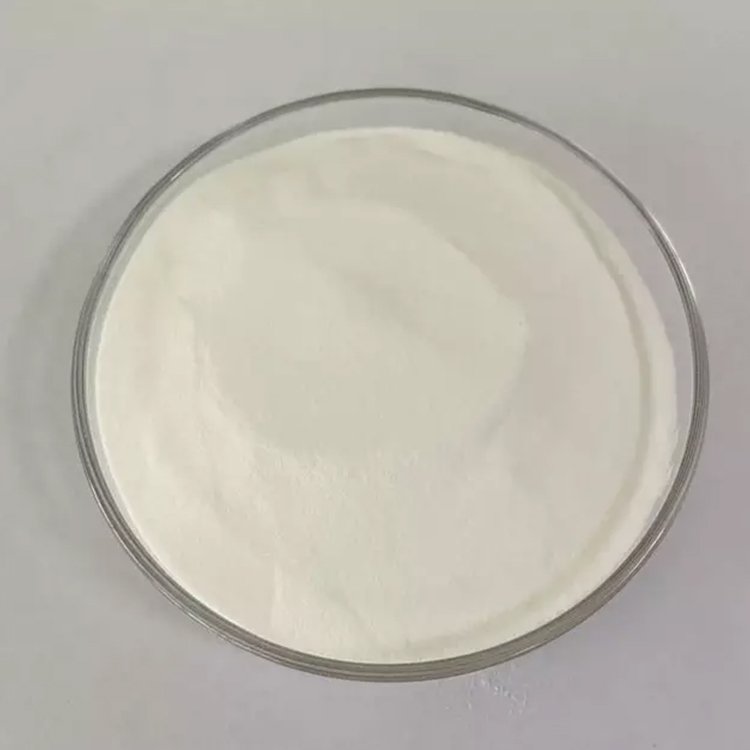
Polysulfonyl Phenyl Phenylene Phosphonate, recognized by CAS 35398-70-0, is a high-performance polymeric additive characterized by its dual-element phosphorus-sulfur synergistic flame retardant mechanism. As a specialized polysulfonyl phenyl phenylene phosphonate, this technical-grade additive functions as a non-halogenated char-forming agent in high-temperature polymer flame retardancy processes. This heat-resistant phenylene phosphonate polymer is specifically engineered for high-performance engineering plastics, providing excellent thermal stability and melt-dripping resistance without compromising the mechanical integrity of the base resin. Our facility provides competitive factory pricing and customized specifications for this material to ensure optimal dispersion within various thermoplastic matrices. For regulatory compliance and technical validation, we offer comprehensive MSDS, TDS, COA documentation and maintain consistent bulk supply for industrial-scale manufacturing.
PSPPP Polysulfonyl Phenyl Phenylene Phosphonate CAS 35398-70-0
- CAS: 35398-70-0
- Synonyms: PSPPP, Poly(sulfonyl phenyl phenylene phosphonate), Phosphorus-sulfur polymer flame retardant, Polymeric phenyl phosphonate
- Molecular Formula: (C12H9O5PS)n
- Grade: Fiber Grade / Engineering Plastic Grade
- Package: 25kg/Paper Bag (lined with PE) or 500kg/Super Sack.
Product Description
PSPPP acts as a polymeric additive that functions primarily in the condensed phase. When exposed to fire, it promotes carbonization (char formation), creating a barrier that prevents heat transfer and oxygen diffusion.
Core Advantages:
- High Thermal Stability: With a decomposition temperature exceeding 350°C, it withstands the harsh processing conditions of spinning and injection molding.
- Excellent Compatibility: Being a polymer, it blends seamlessly with PET and PA matrices, preventing migration or “blooming” on the surface.
- Spinnability: Ideal for fiber production. It does not clog spinnerets or cause wire breakage during high-speed spinning.
- Eco-Friendly: Free from Bromine and Chlorine; meets RoHS and REACH requirements.
Physicochemical Properties
The table below represents typical specifications for Export Grade PSPPP.
| Parameter | Specification (Standard) |
|---|---|
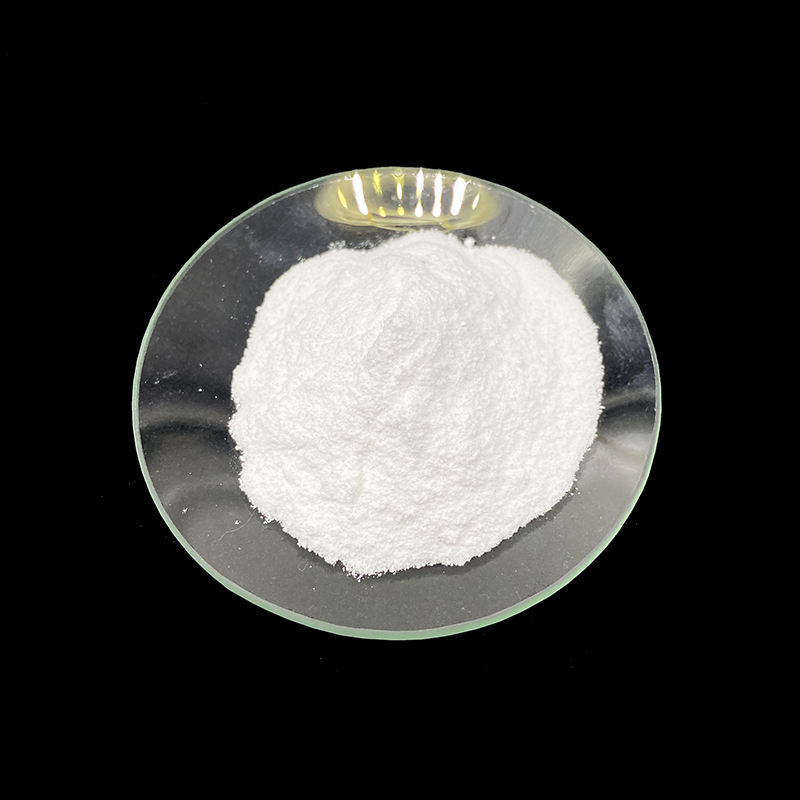
| Appearance | Light yellow to amber glassy solid or flakes |
| Phosphorus Content (P) | 6.0% – 7.5% |
| Sulfur Content (S) | 10.0% – 13.0% |
| Softening Point | 130°C – 160°C |
| Decomposition Temp (5% wt loss) | ≥ 380°C |
| Moisture / Volatile Matter | ≤ 0.5% |
| Acid Value (mg KOH/g) | ≤ 2.0 |
| Density (25°C) | ~ 1.4 g/cm³ |
| Solubility | Insoluble in water; Soluble in warm THF or DMF |
Applications
- Synthetic Fibers (PET & PA):
- Widely used in polyester filament, staple fiber, and nylon spinning. It imparts permanent flame retardancy suitable for textiles, curtains, and automotive upholstery.
- Recommended dosage: 5% – 10% (depending on LOI requirements).
- Engineering Plastics:
- Used in PBT, PET, and Polyamide (Nylon 6, Nylon 66) injection molding parts.
- Ideal for electrical connectors and electronic components requiring high heat resistance.
- Films and Sheets:
- Used in manufacturing flame-retardant polyester films.
Storage Conditions
- Environment: Store in a cool, dry, and well-ventilated area.
- Moisture Control: The product is stable but should be kept away from moisture to ensure optimal processing performance. Reseal bags immediately after use.
- Temperature: Keep away from direct sunlight and heat sources.
- Shelf Life: 24 months in original unopened packaging.
Safety Precautions
- Handling: Wear dust masks and safety goggles to prevent dust inhalation and eye contact. Use with local exhaust ventilation during thermal processing.
- Toxicity: Considered low toxicity. Not classified as a dangerous good for transport.
- Thermal Processing: Ensure the processing temperature does not exceed the decomposition limit to avoid the release of fumes.
- First Aid:
- Skin: Wash with soap and water.
- Eyes: Rinse with water for 15 minutes.
FAQ - Technical & Supply Chain
-
Q:
How does CAS 35398-70-0 maintain polymer mechanical properties compared to monomeric flame retardants?
A: As a high-molecular-weight polymer, Polysulfonyl Phenyl Phenylene Phosphonate (CAS 35398-70-0) exhibits lower volatility and minimal migration compared to monomeric additives, which typically applied to preserve the impact strength and heat deflection temperature (HDT) of engineering plastics. -
Q:
Is this additive suitable for inclusion in halogen-free flame retardant (HFFR) formulations?
A: Yes, this industrial ingredient is intended for halogen-free systems, functioning as a sustainable char-forming agent that meets stringent environmental and safety standards in the electronics and automotive industries.
Documents and Product Support
For product review and sourcing evaluation, supporting documents can be coordinated according to the product type, inquiry stage, and order requirements.
- COA for batch-based quality reference
- TDS for key physical and chemical information
- SDS / MSDS for handling, storage, and safety reference
- Packing information for sample, trial, and bulk orders
- Technical communication based on application and specification requirements
Information to Confirm Before Quotation
Clear sourcing information helps reduce specification mismatch and allows a more accurate quotation before sample or bulk order discussion.
- Product name and CAS number
- Application or intended end use
- Required purity, grade, or specification
- Sample quantity, trial order, or bulk demand
- Preferred packing form or net weight
- Destination country or port
- Required documents or compliance expectations
Packaging, Storage, and Handling Notes
Packaging form, storage conditions, shelf life, and shipment arrangements should be confirmed according to the product characteristics, package size, and destination requirements.
Before order confirmation, buyers are advised to review the corresponding product documents and confirm whether any special storage, labeling, or handling requirements apply.
Sample, Bulk Order and Repeat Supply Support
Support can be arranged for sample discussion, bulk supply planning, packaging confirmation, and routine sourcing communication based on the actual product and order requirements.
For repeat-use formulations or long-term procurement plans, buyers may discuss specification consistency, packaging preferences, delivery expectations, and document coordination in advance.


