










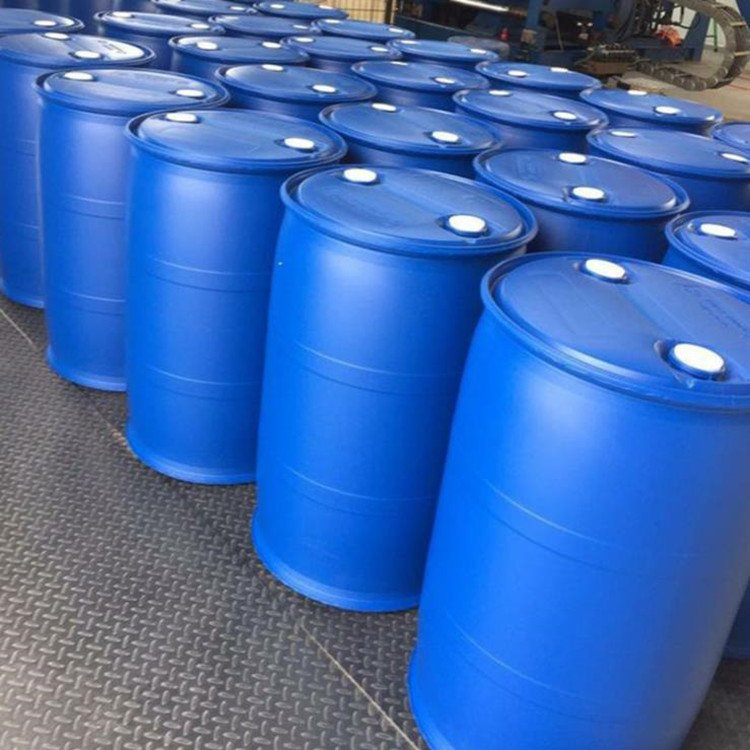
Dioctyl Phthalate, also called DOP or DEHP, CAS 117-81-7, is a general-purpose phthalate plasticizer supplied for flexible PVC and other polymers. Confirm the required grade and specification, then request a quotation with COA/TDS/SDS for bulk supply.
Dioctyl Phthalate DOP CAS 117-81-7
- CAS: 117-81-7
- Synonyms: DOP, DEHP, Di(2-ethylhexyl) phthalate, Bis(2-ethylhexyl) phthalate, Di-sec-octyl phthalate
- Einecs: 204-211-0
- Molecular Formula: C₂₄H₃₈O₄
- Grade: Industrial Grade (Plasticizer)
- Package: 200 kg iron drum / 1000 kg IBC (customizable)
Product Description
Dioctyl Phthalate, also called DOP, DEHP or bis(2-ethylhexyl) phthalate, CAS 117-81-7, is the general-purpose phthalate plasticizer with the molecular formula C24H38O4.
Synonyms: DOP; DEHP; Di(2-ethylhexyl) phthalate; Bis(2-ethylhexyl) phthalate; Di-sec-octyl phthalate.
CAS: 117-81-7.
It has the molecular formula C24H38O4 and a molecular weight of 390.56 g/mol.
It is a colorless to pale-yellow, transparent oily liquid.
It has a density of about 0.982–0.986 g/cm³ at 20 °C and a refractive index of about 1.484–1.488.
It has an open-cup flash point of at least 210 °C, a boiling point of about 385 °C and a pour point of about −50 °C or lower.
It is practically insoluble in water and miscible with common organic solvents.
It separates and lubricates PVC polymer chains, increasing free volume so the chains move more easily.
This turns rigid PVC into a flexible material with better elongation, low-temperature performance and processability.
It is used as a plasticizer in PVC cables, wires, films, sheets, flooring and synthetic leather.
It is also used in rubber processing, adhesives, sealants, coatings and other flexible industrial compounds.
Because of regional restrictions, DOP is mainly used in industrial applications; confirm end-use compliance.
Industrial grade is typically a clear oily liquid with low acid value and low water content.
Confirm appearance, density, refractive index, flash point, acid value, water content and pour point.
Store in sealed containers in a cool, dry, well-ventilated area, away from direct sunlight, moisture and strong oxidizing agents.
Confirm packaging with the requested quantity and destination requirements.
The page is an RFQ entry point and does not state stock, price, MOQ or fixed lead time.
For an RFQ, state the intended use, required grade and specification, quantity, packaging, destination and document needs.
FAQ - Technical & Supply Chain
-
Q:
What is Dioctyl Phthalate DOP CAS 117-81-7?
A: Dioctyl Phthalate DOP, also called DEHP or bis(2-ethylhexyl) phthalate, CAS 117-81-7, is a general-purpose phthalate plasticizer with the molecular formula C24H38O4. It is a colorless to pale-yellow oily liquid used to make PVC and other polymers softer and easier to process. -
Q:
What is the main function of DOP in PVC processing?
A: DOP separates and lubricates PVC polymer chains, increasing free volume and allowing the chains to move more easily. This turns rigid PVC into a flexible material with better elongation, low-temperature performance and processability for cables, films, sheets, flooring and synthetic leather. -
Q:
What are the main industrial applications of DOP?
A: DOP is widely used as a plasticizer in PVC cables, wires, films, sheets, flooring and synthetic leather. It also appears in rubber processing, adhesives, sealants, coatings and other industrial compounds where flexibility and durability are required. -
Q:
What is the difference between DOP and DOTP?
A: DOP is a phthalate-based plasticizer, while DOTP is a terephthalate-based non-phthalate alternative. DOP is cost-effective and has long been a standard plasticizer, but it faces restrictions in toys, childcare articles, food-contact and medical uses in some regions; DOTP is chosen when a non-phthalate option is required. -
Q:
What are typical specifications for industrial DOP?
A: Industrial DOP is typically a clear oily liquid with density around 0.982-0.986 g/cm3 at 20 C, refractive index about 1.483-1.488, molecular weight about 390.56, low acid value and water content, and open-cup flash point generally at least 210 C. Exact limits vary by grade, so the supplier COA controls the batch.
Ordering & Documentation
Key information for document requests, quotations, and supply planning.
Documents
Tell us which documents your procurement team needs. Before an order, we will check whether the quoted source can provide them for the offered lot.
Quotation
Send the CAS number, grade, quantity, packing preference and destination.
Sample & Supply
Ask whether samples, trial quantities or repeat orders are possible. We will check each request against the sourced product and current offer.
Storage & Shipping
Product-specific conditions are confirmed before order.

