










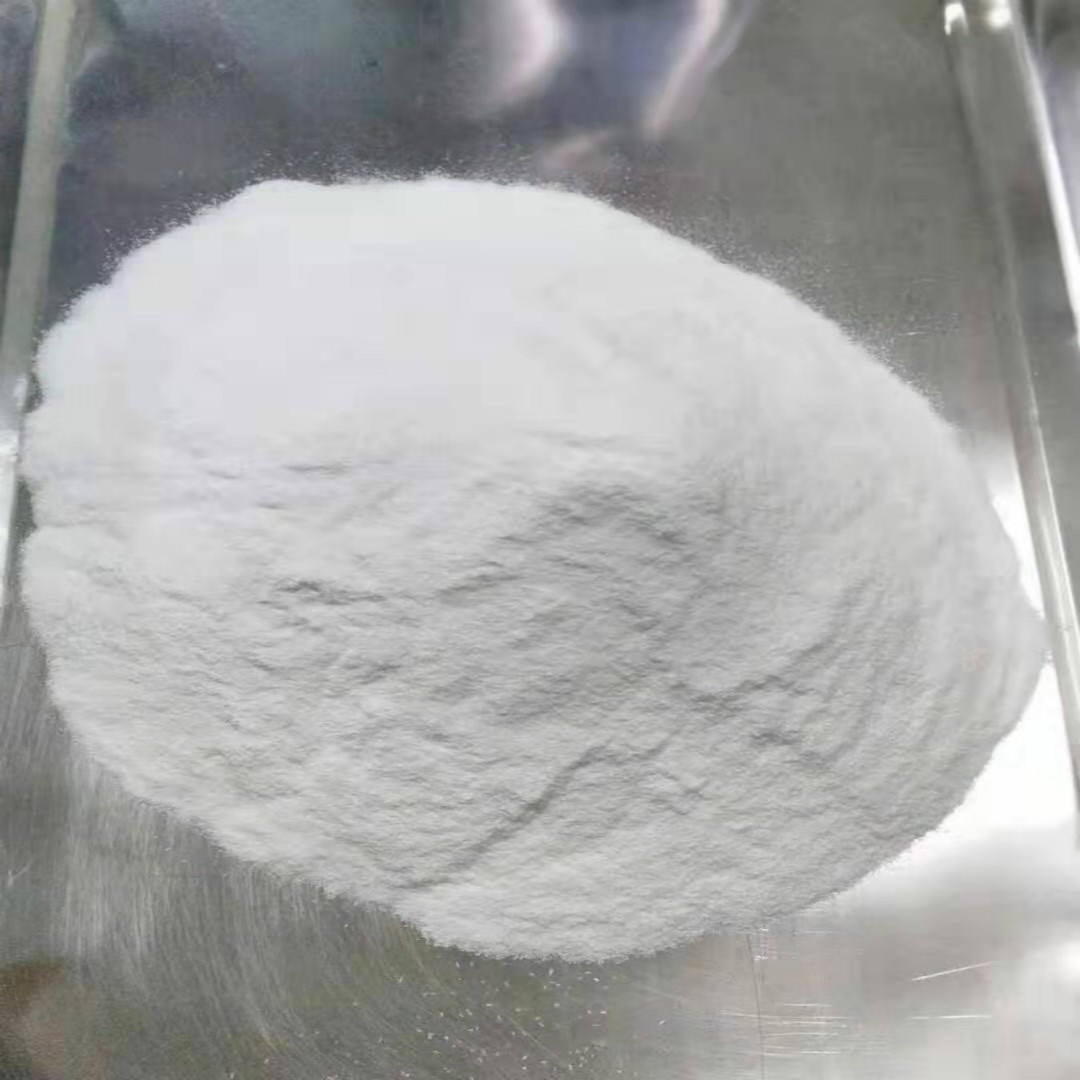
Pure Polyglutamic Acid, identified by CAS 25513-46-6, is a water-soluble, biodegradable biopolymer composed of glutamic acid monomers linked by gamma-amide bonds. As a versatile pure polyglutamic acid, this technical-grade gamma-polyglutamic acid functions as a high-efficiency flocculant and heavy metal sequestrant in various industrial water treatment processes. This anionic polypeptide is valued for its superior hygroscopic properties and its ability to enhance the structural stability of aqueous formulations without environmental toxicity. Our facility provides competitive factory pricing and customized specifications regarding molecular weight—ranging from low to ultra-high daltons—to ensure optimal performance in specific filtration or stabilization systems. For technical validation and regulatory compliance, we offer comprehensive MSDS, TDS, COA documentation and maintain consistent bulk supply for industrial-scale utility.
Pure Polyglutamic Acid CAS 25513-46-6
- CAS: 25513-46-6
- Synonyms: Gamma-Polyglutamic Acid, γ-PGA, Poly-L-glutamic acid, Gamma-PGA
- Molecular Formula: (C5H7NO3)n
- Grade: Cosmetic Grade
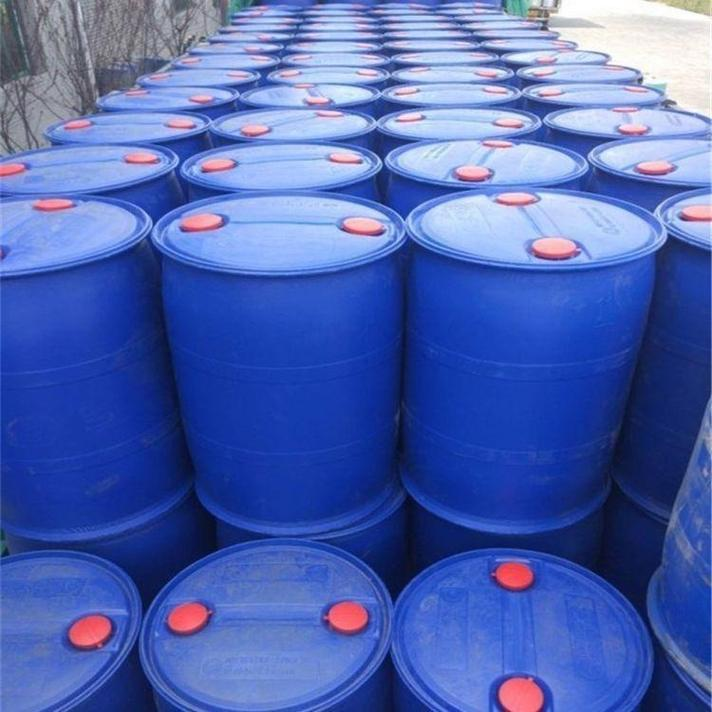
- Package: 100g/Bottle, 1kg/Aluminum Foil Bag, or 25kg/Fiber Drum.
Product Description
Polyglutamic Acid is an anionic polypeptide consisting of D- and L-glutamic acid. Unlike collagen or hyaluronic acid, PGA does not just sit on the skin; it functions through a unique mechanism.
Core Benefits:
- Superior Moisturization: Studies suggest PGA can hold 4-5 times more moisture than Hyaluronic Acid.
- Dual Action:
- High Molecular Weight (HMW): Forms a breathable, smooth film on the skin surface to prevent water loss (TEWL).
- Low Molecular Weight (LMW): Penetrates deeper layers to hydrate and nourish the skin.
- Whitening Effect: It inhibits the production of melanin by blocking tyrosinase activity.
- Long-lasting: It inhibits the activity of Hyaluronidase, thereby protecting the natural Hyaluronic Acid in the skin from breaking down.
Physicochemical Properties
The data below represents the standard Cosmetic Grade Powder.
| Parameter | Specification (Standard) |
|---|---|
| Appearance | White to off-white powder |
| Odor | Almost odorless |
| Assay (Polyglutamic Acid) | ≥ 92.0% |
| pH Value (1% Solution) | 5.0 – 7.0 |
| Loss on Drying | ≤ 10.0% |
| Molecular Weight | 700 kDa – 2000 kDa (Standard HMW) |
| Heavy Metals (Pb) | ≤ 10 ppm |
| Arsenic (As) | ≤ 2 ppm |
| Bacteria Count | ≤ 100 CFU/g |
| Solubility | Soluble in water, insoluble in ethanol |
Applications
- Serums & Essences:
- Used as the primary active ingredient for deep hydration and anti-aging serums.
- Facial Masks:
- Provides a slippery, luxurious feel and immense hydration boost in sheet masks.
- Creams & Lotions:
- Acts as a humectant and texture enhancer. It is non-sticky compared to glycerin.
- Hair Care:
- Used in conditioners to increase hair strength, reduce friction, and repair damage caused by bleaching.
- Makeup:
- Added to foundations to prevent caking and improve spreadability.
Storage Conditions
- Hygroscopic: The powder is highly hygroscopic (absorbs moisture from air).
- Temperature: Store in a cool, dry place. For long-term storage, keeping it at low temperatures (2-8°C) is recommended to maintain molecular weight stability, though room temperature is acceptable for shorter periods.
- Sealing: Keep packaging tightly sealed immediately after use.
- Shelf Life: 24 months in original unopened packaging.
Safety Precautions
- Origin: Derived from natto (fermented soybeans), generally considered safe and non-toxic.
- Handling: Avoid breathing dust. Use in a well-ventilated area.
- Skin/Eye Contact: Non-irritating in normal use concentrations. If powder enters eyes, rinse with water.
- Biodegradability: Fully biodegradable and eco-friendly.
FAQ - Technical & Supply Chain
-
Q:
How does the anionic charge of CAS 25513-46-6 facilitate its use in industrial flocculation?
A: The high density of carboxyl groups along the backbone of Polyglutamic Acid (CAS 25513-46-6) allows it to effectively bridge suspended particles and chelate multivalent metal ions, making it a sustainable alternative to synthetic polyacrylamides in wastewater clarification. -
Q:
Is this material intended for use in agricultural soil conditioning or irrigation systems?
A: Yes, this industrial ingredient is typically applied to enhance nutrient uptake and water retention in professional agricultural substrates, where it functions to reduce fertilizer leaching and improve the cation exchange capacity (CEC) of the soil matrix.
Documents and Product Support
For product review and sourcing evaluation, supporting documents can be coordinated according to the product type, inquiry stage, and order requirements.
- COA for batch-based quality reference
- TDS for key physical and chemical information
- SDS / MSDS for handling, storage, and safety reference
- Packing information for sample, trial, and bulk orders
- Technical communication based on application and specification requirements
Information to Confirm Before Quotation
Clear sourcing information helps reduce specification mismatch and allows a more accurate quotation before sample or bulk order discussion.
- Product name and CAS number
- Application or intended end use
- Required purity, grade, or specification
- Sample quantity, trial order, or bulk demand
- Preferred packing form or net weight
- Destination country or port
- Required documents or compliance expectations
Packaging, Storage, and Handling Notes
Packaging form, storage conditions, shelf life, and shipment arrangements should be confirmed according to the product characteristics, package size, and destination requirements.
Before order confirmation, buyers are advised to review the corresponding product documents and confirm whether any special storage, labeling, or handling requirements apply.
Sample, Bulk Order and Repeat Supply Support
Support can be arranged for sample discussion, bulk supply planning, packaging confirmation, and routine sourcing communication based on the actual product and order requirements.
For repeat-use formulations or long-term procurement plans, buyers may discuss specification consistency, packaging preferences, delivery expectations, and document coordination in advance.


