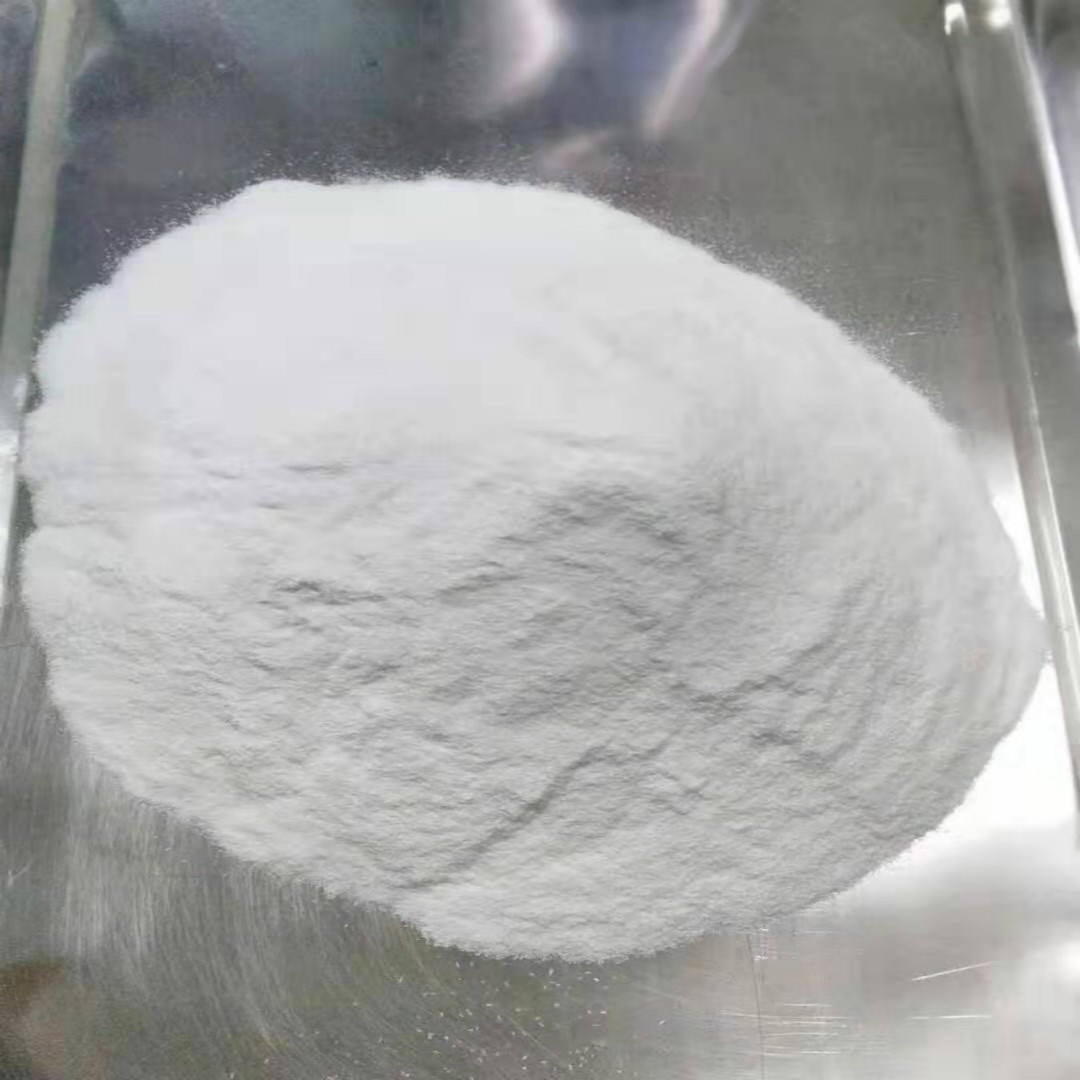
Hyaluronic Acid (CAS 9067-32-7), industrially processed and supplied as Sodium Hyaluronate, is a high-molecular-weight glycosaminoglycan utilized primarily as a premier humectant in cosmetic formulations and pharmaceutical viscosupplements. This water-soluble Hyaluronan powder functions by retaining up to 1,000 times its weight in water, providing exceptional hydration and viscoelastic properties in HA based serums and dermal fillers. Unlike animal-derived sources, our fermented Bio-fermentation Hyaluronic Acid ensures high purity and low endotoxin levels, making it a critical Sodium Hyalurate component for medical-grade eye drops and anti-aging skincare. We provide this biopolymer with competitive factory pricing to support global beauty and healthcare manufacturing, guaranteeing bulk supply availability for commercial production. Our facility accommodates customized specifications for molecular weight (from Oligo <3kDa to High MW >2.0MDa), while every shipment is fully documented with MSDS, TDS, COA files to meet strict international standards.
Hyaluronic Acid CAS 9067-32-7
- CAS: 9067-32-7
- Synonyms: Sodium Hyaluronate, HA, Hyaluronan, Sodium Hyalurate
- Einecs: 232-678-0
- Molecular Formula: (C₁₄H₂₂NNaO₁₁)ₙ
- Grade: Cosmetic / Pharmaceutical grade
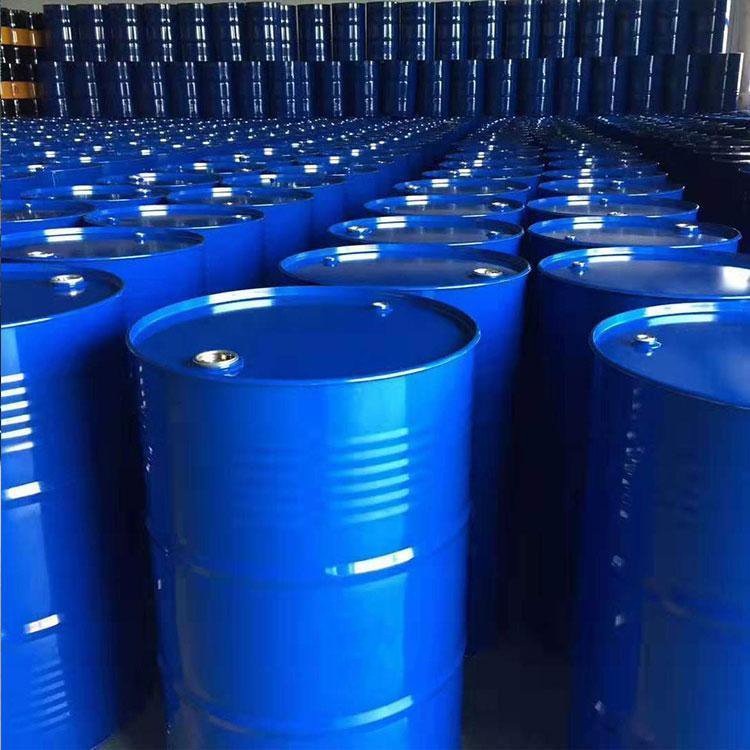
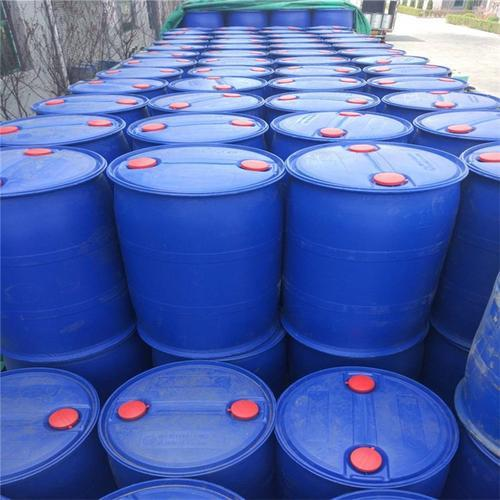
- Package: 1 kg aluminum foil bag; 10 kg / 25 kg fiber drum, or customized according to customer requirements
Product Description
Hyaluronic Acid (Sodium Hyaluronate) CAS 9067-32-7 is a high-purity, fermentation-based biopolymer widely used in cosmetics, pharmaceuticals and nutraceuticals. It is valued for its excellent water-binding capacity, biocompatibility and film-forming properties, providing long-lasting moisturization and lubrication in skin, eye and joint applications.
📧 Email: info@industrochem.com – Contact us for COA, molecular weight options and latest bulk prices.
Physicochemical Properties
| Property | Typical Specification |
|---|---|
| CAS Number | 9067-32-7 |
| Einecs | 232-678-0 |
| Molecular Formula | (C₁₄H₂₂NNaO₁₁)ₙ |
| Molecular Weight (polymer) | ~10 kDa – 3,000 kDa (customizable range) |
| Assay (dried basis) | ≥ 95.0% |
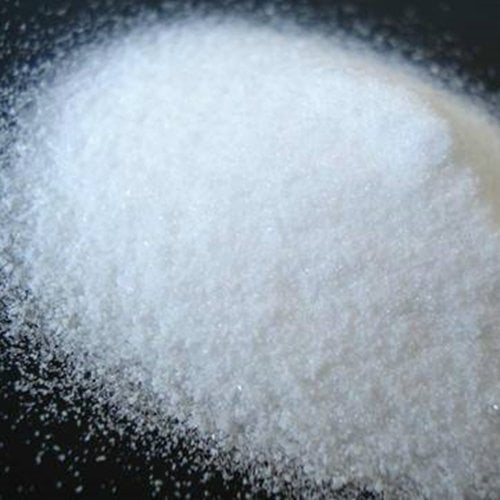
| Appearance | White to off-white, free-flowing, odorless powder |
| Solubility | Freely soluble in water; forms clear to slightly opalescent solution |
| pH (1% aqueous solution, 25 °C) | 5.5 – 7.5 |
| Loss on drying | ≤ 10.0% |
| Intrinsic / solution viscosity | Grade-dependent; from low to very high viscosity |
| Heavy metals | ≤ 20 ppm |
| Protein content | ≤ 0.03–0.04% |
| Nucleic acids (A260) | ≤ 0.5 |
| Microbial limits (TAMC) | < 100 CFU/g |
| Odor | Odorless |
| Stability | Stable under recommended storage; sensitive to strong oxidizers |
Applications
1. Cosmetics & Personal Care
- Moisturizing and anti-aging serums
- Face creams, lotions, masks and eye creams
- Toners, essences and ampoules
- Hair care products (conditioners, leave-on treatments)
Key functions:
- Strong humectant: binds large amounts of water to the stratum corneum
- Film-forming: creates a breathable, protective layer, improving skin elasticity and smoothness
- Sensory enhancement: adds slip and richness, especially in water-based systems
2. Pharmaceutical & Medical Uses
- Ophthalmic solutions, eye drops and intraocular viscoelastic agents
- Intra-articular injections for joint lubrication and osteoarthritis support
- Wound dressings, tissue-engineering scaffolds and topical gels
Here, sodium hyaluronate contributes:
- Lubrication and shock absorption in joints
- Space-maintaining and protective functions in eye surgery
- Moist wound-healing environment and cell-friendly matrix support
3. Nutraceuticals & Dietary Supplements
- Skin beauty and hydration capsules, powders and drinks
- Joint-health formulations often combined with collagen, chondroitin or MSM
4. Other Uses
- Biomedical and cell-culture applications as extracellular matrix component
- Viscosity modifier and stabilizer in specialized formulationsAbcam+1
Storage Conditions
To maintain quality throughout shelf life:
- Store in a cool, dry, well-ventilated place, away from sources of heat and moisture.
- Recommended storage temperature: ≤ 25 °C, preferably 2–8 °C for long-term stability.
- Keep in tightly sealed original packaging; protect from direct sunlight and strong odors.
- After opening, reseal promptly and consume as soon as possible, or re-pack under dry, inert conditions if necessary.
Safety Precautions
Sodium hyaluronate is generally considered to have low acute toxicity and good biocompatibility, but it should still be handled as an industrial chemical.
Dispose of material in accordance with local regulations and refer to the product’s official SDS for detailed safety and regulatory information.
Avoid creating dust; do not breathe dust or aerosols.
Use appropriate personal protective equipment: gloves, lab coat, safety glasses, dust mask or respirator in dusty environments.
Avoid contact with eyes and prolonged contact with skin.
In case of contact with eyes, rinse immediately with plenty of water and seek medical attention if irritation persists.
In case of accidental ingestion, rinse mouth and seek medical advice if necessary.
Spillage: sweep up carefully to avoid dust, collect in suitable container for disposal, and ventilate area.
FAQ - Technical & Supply Chain
-
Q:
Does CAS 9067-32-7 refer to the acid or the salt form?
A: CAS 9067-32-7 specifically identifies Sodium Hyaluronate, which is the stable, water-soluble salt form of Hyaluronic Acid used in almost all industrial, cosmetic, and pharmaceutical applications (the acid form is unstable and rarely used directly). -
Q:
How does molecular weight affect the application of this powder?
A: We supply various molecular weights; High Molecular Weight (>1.5 MDa) is used for surface film-forming and lubrication, while Low Molecular Weight (<10 kDa) is intended for transdermal absorption and deep biological activity.
Documents and Product Support
For product review and sourcing evaluation, supporting documents can be coordinated according to the product type, inquiry stage, and order requirements.
- COA for batch-based quality reference
- TDS for key physical and chemical information
- SDS / MSDS for handling, storage, and safety reference
- Packing information for sample, trial, and bulk orders
- Technical communication based on application and specification requirements
Information to Confirm Before Quotation
Clear sourcing information helps reduce specification mismatch and allows a more accurate quotation before sample or bulk order discussion.
- Product name and CAS number
- Application or intended end use
- Required purity, grade, or specification
- Sample quantity, trial order, or bulk demand
- Preferred packing form or net weight
- Destination country or port
- Required documents or compliance expectations
Packaging, Storage, and Handling Notes
Packaging form, storage conditions, shelf life, and shipment arrangements should be confirmed according to the product characteristics, package size, and destination requirements.
Before order confirmation, buyers are advised to review the corresponding product documents and confirm whether any special storage, labeling, or handling requirements apply.
Sample, Bulk Order and Repeat Supply Support
Support can be arranged for sample discussion, bulk supply planning, packaging confirmation, and routine sourcing communication based on the actual product and order requirements.
For repeat-use formulations or long-term procurement plans, buyers may discuss specification consistency, packaging preferences, delivery expectations, and document coordination in advance.