









Hydroxyphenyl Propamidobenzoic Acid (CAS 697235-49-7) is a synthetic bioactive amide, chemically modeled after natural oat avenanthramides, utilized primarily as a high-performance soothing agent in cosmetic skincare formulations and sensitive skin products. This pure Dihydroavenanthramide D powder functions as a potent antihistamine-like active, significantly reducing itching and erythema by inhibiting the release of inflammatory mediators in the skin. Unlike complex natural extracts, this synthetic avenanthramide offers standardized purity and stability, serving as a critical HED ingredient for neuro-cosmetic lotions, anti-irritant serums, and scalp care applications. We provide this cosmetic active with competitive factory pricing to support personal care manufacturing and ensure bulk supply availability for formulation scale-up. Our facility accommodates customized specifications for assay and solubility profiles, while every shipment is fully documented with MSDS, TDS, COA files to ensure global regulatory compliance.
Hydroxyphenyl Propamidobenzoic Acid CAS 697235-49-7
- CAS: 697235-49-7
- Synonyms: Dihydroavenanthramide D, HED, synthetic avenanthramide
- Einecs: 470-130-4
- Molecular Formula: C₁₆H₁₅NO₄
- Grade: Cosmetic / personal care grade, assay ≥99.0%
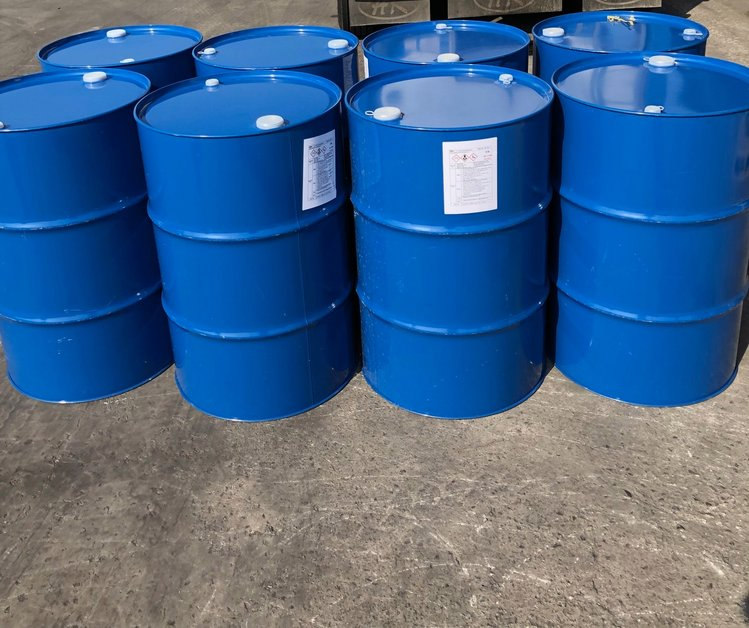
- Package: 1 kg aluminum foil bag, 25 kg fiber drum or as required (inner double PE bag, outer drum/carton)
Product Description
Hydroxyphenyl Propamidobenzoic Acid (also known as Dihydroavenanthramide D or HPPBA) is a high-purity cosmetic active used as a skin-soothing, anti-itch and anti-redness ingredient in personal care and dermatological formulations. It is derived from oat-related structures and provides strong anti-irritant and antioxidant benefits for sensitive and stressed skin.
📧 Email: info@industrochem.com
For the latest COA, MSDS and bulk price quotation, please contact us by email – our technical and sales teams will respond with detailed specifications and formulation support.
Physicochemical Properties
| Property | Specification / Typical Value |
|---|---|
| Chemical Name | 2-(3-(4-Hydroxyphenyl)propanamido)benzoic acid |
| CAS No. | 697235-49-7 |
| EC / EINECS No. | 470-130-4 |
| Molecular Formula | C₁₆H₁₅NO₄ |
| Molecular Weight | 285.29 g/mol |
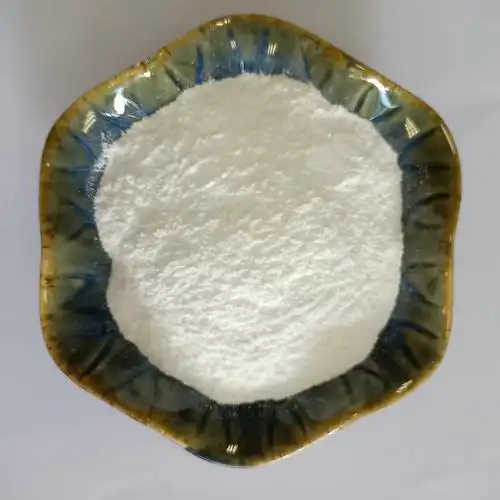
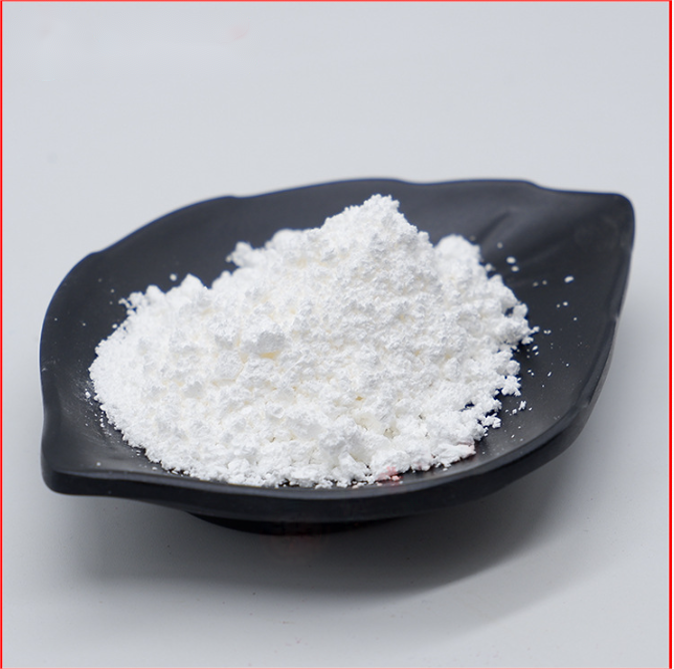
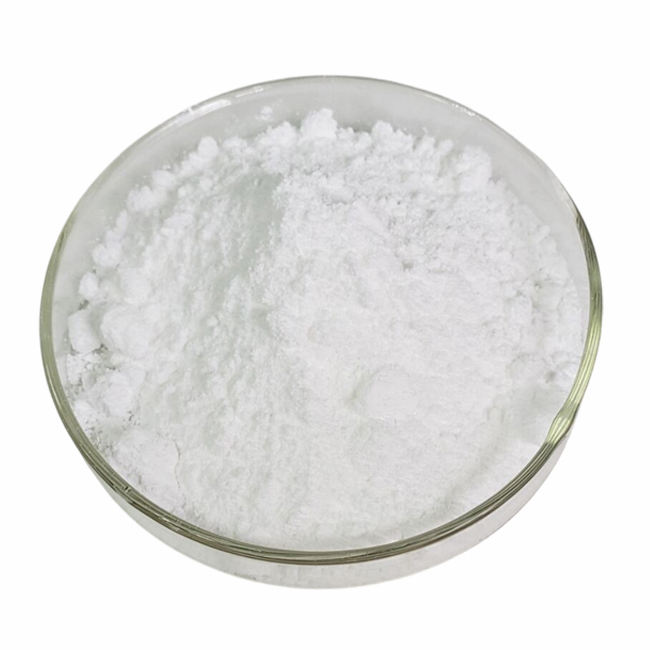
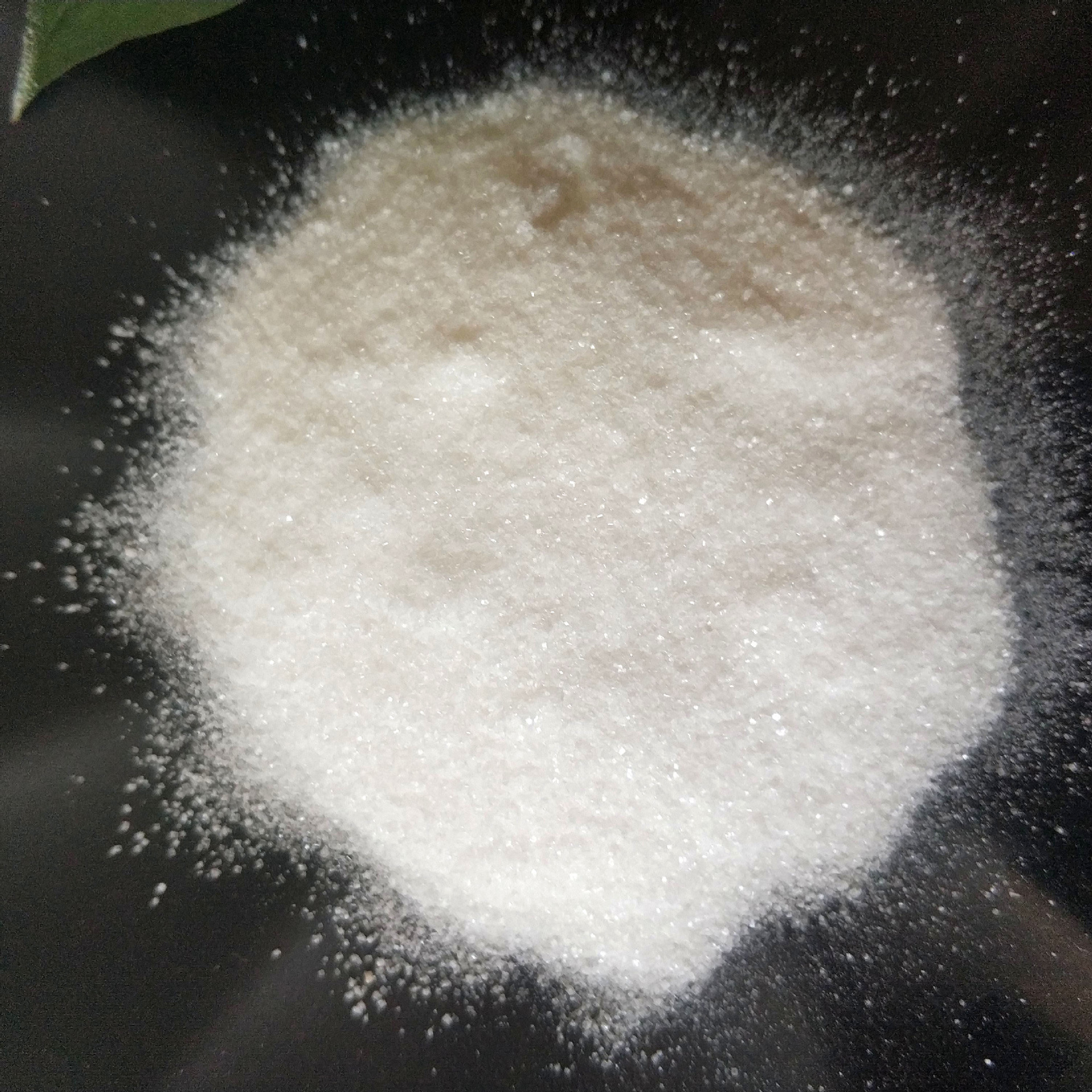
| Appearance | White to off-white crystalline or fine powder |
| Purity (Assay) | ≥99.0% (HPLC) |
| Melting Point | 188–200 °C |
| Boiling Point (predicted) | ~590 ± 40 °C |
| Density (predicted, 20 °C) | ~1.35 g/cm³ |
| pKa (20 °C, predicted) | ~3.47 |
| LogP (20 °C) | ~3.0 (moderately lipophilic) |
| Water Solubility (20 °C) | ~86.5 mg/L (sparingly soluble) |
| Solubility in Organic Solvents | Soluble in ethanol and other common cosmetic solvents; often used in hydroalcoholic or solvent-based premixes |
| Volatility / Vapor Pressure | Very low; ~0 Pa at 20 °C |
| Flammability | Non-flammable solid under normal conditions |
Applications
1. Skin Care (Face & Body)
- Rapid soothing of acute and chronic irritation (itching, burning, tightness).
- Reduces visible redness and helps even out skin tone in sensitive or reactive skin.
- Supports barrier recovery in dry, atopic-prone or over-exfoliated skin.
2. Scalp & Hair Care
- Anti-itch and anti-redness active for sensitive scalp shampoos, scalp essences and leave-on treatments.
- Helps reduce discomfort caused by surfactants, styling products or environmental factors.
3. Body Wash, Shower & Bath Products
- Adds a “dermatologist-style soothing” positioning to shower gels, syndet bars and bath oils.
- Suitable for daily cleansing of dry, itchy or easily irritated skin.
4. After-Sun & Post-Procedure Care
- Ideal for after-sun gels, masks and creams to calm UV-induced redness and heat sensation.
- Can be combined with panthenol, bisabolol, madecassoside and ceramides for advanced repair concepts.
5. Medical & Dermocosmetic Creams
- Used as a non-steroidal soothing component in creams targeting contact dermatitis, eczema and other itch-related conditions, often as an alternative or complement to glucocorticoids (regulatory status depends on local regulations and final product positioning).
Storage Conditions
- Temperature: Store in a cool place, typically 2–8 °C (refrigerated storage recommended for long-term stability).
- Environment: Keep in a dry, well-ventilated area away from moisture and direct sunlight.
- Packaging: Keep container tightly closed (inner double PE bag + sealed drum or carton) to avoid exposure to air and humidity.
- Shelf Life: Under recommended storage conditions, typical shelf life is 24 months from production date; always refer to the COA/label of your specific batch.
Safety Precautions
The following information is for industrial / laboratory handling of the raw material, not for end-user cosmetic products.
- Classified as Skin Sensitizer (H317: May cause an allergic skin reaction) in some regulatory databases – avoid direct skin contact with the powder.
- Avoid inhalation of dust. Handle in a well-ventilated area or under local exhaust.
- Wear suitable PPE: protective gloves, safety glasses and lab coat when handling bulk powder.
- Prevent contamination of food, drinks and animal feed; keep out of reach of unauthorized personnel.
- In case of skin contact with the raw powder, wash with plenty of water and remove contaminated clothing.
- In case of eye contact, rinse cautiously with clean water for several minutes and seek medical advice if irritation persists.
- Dispose of and/or incinerate waste material and packaging in accordance with local environmental regulations.
FAQ - Technical & Supply Chain
-
Q:
How does the chemical structure of CAS 697235-49-7 relate to natural oat extracts?
A: CAS 697235-49-7 identifies the synthetic single-molecule analog (Dihydroavenanthramide D) of the active soothing component found in oats, designed to provide consistent anti-irritant efficacy without the batch variability of plant extracts. -
Q:
Is this powder grade suitable for sensitive skin formulations?
A: Yes, this material is specifically intended for use in hypoallergenic and sensitive skin formulations due to its targeted mechanism of reducing chemically induced redness and itch sensation.
Documents and Product Support
For product review and sourcing evaluation, supporting documents can be coordinated according to the product type, inquiry stage, and order requirements.
- COA for batch-based quality reference
- TDS for key physical and chemical information
- SDS / MSDS for handling, storage, and safety reference
- Packing information for sample, trial, and bulk orders
- Technical communication based on application and specification requirements
Information to Confirm Before Quotation
Clear sourcing information helps reduce specification mismatch and allows a more accurate quotation before sample or bulk order discussion.
- Product name and CAS number
- Application or intended end use
- Required purity, grade, or specification
- Sample quantity, trial order, or bulk demand
- Preferred packing form or net weight
- Destination country or port
- Required documents or compliance expectations
Packaging, Storage, and Handling Notes
Packaging form, storage conditions, shelf life, and shipment arrangements should be confirmed according to the product characteristics, package size, and destination requirements.
Before order confirmation, buyers are advised to review the corresponding product documents and confirm whether any special storage, labeling, or handling requirements apply.
Sample, Bulk Order and Repeat Supply Support
Support can be arranged for sample discussion, bulk supply planning, packaging confirmation, and routine sourcing communication based on the actual product and order requirements.
For repeat-use formulations or long-term procurement plans, buyers may discuss specification consistency, packaging preferences, delivery expectations, and document coordination in advance.