









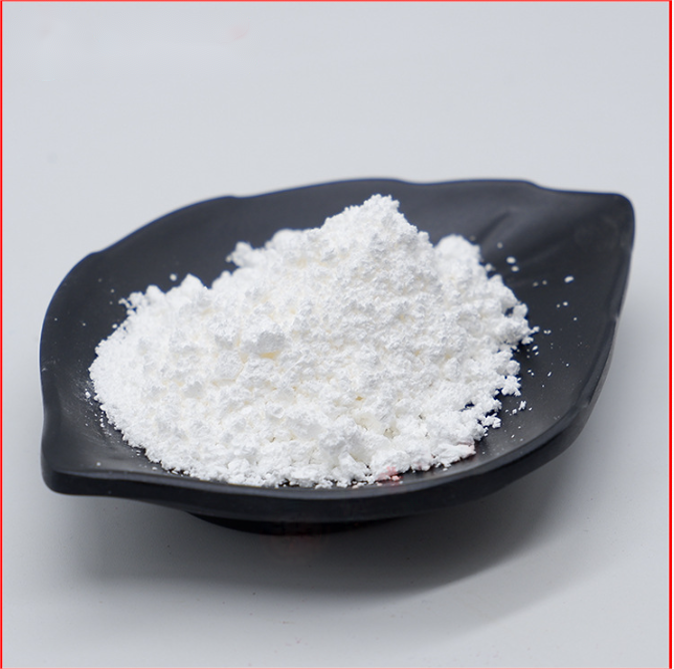
4-Butylresorcinol (CAS 18979-61-8), commercially known as Rucinol, is a highly effective resorcinol derivative utilized primarily as a potent skin-lightening active in dermatological and cosmetic formulations. This lipophilic 4-n-Butylresorcinol powder functions as a dual inhibitor of both tyrosinase and tyrosinase-related protein-1 (TRP-1), exhibiting superior melanin suppression efficacy compared to traditional agents like Kojic Acid or Arbutin. As a targeted 2,4-Dihydroxy-n-butylbenzene ingredient, it is specifically engineered for treating hyperpigmentation, melasma, and age spots in high-performance whitening serums and creams. We provide this pharmaceutical-grade material with competitive factory pricing to support global cosmetic manufacturing and ensure bulk supply availability for commercial production lines. Our facility accommodates customized specifications for assay purity (>99%) and solubility profiles, while every shipment is fully documented with MSDS, TDS, COA files to meet strict safety and regulatory standards.
4 Butylresorcinol CAS 18979-61-8
- CAS: 18979-61-8
- Synonyms: Rucinol, 4-n-Butylresorcinol, 4-Butylbenzene-1,3-diol, 2,4-Dihydroxy-n-butylbenzene, 4-Butyl Resorcinol
- Einecs: 242-729-9
- Molecular Formula: C10H14O2
- Grade: Cosmetic / dermatological grade, assay typically ≥99.0% (HPLC/GC)
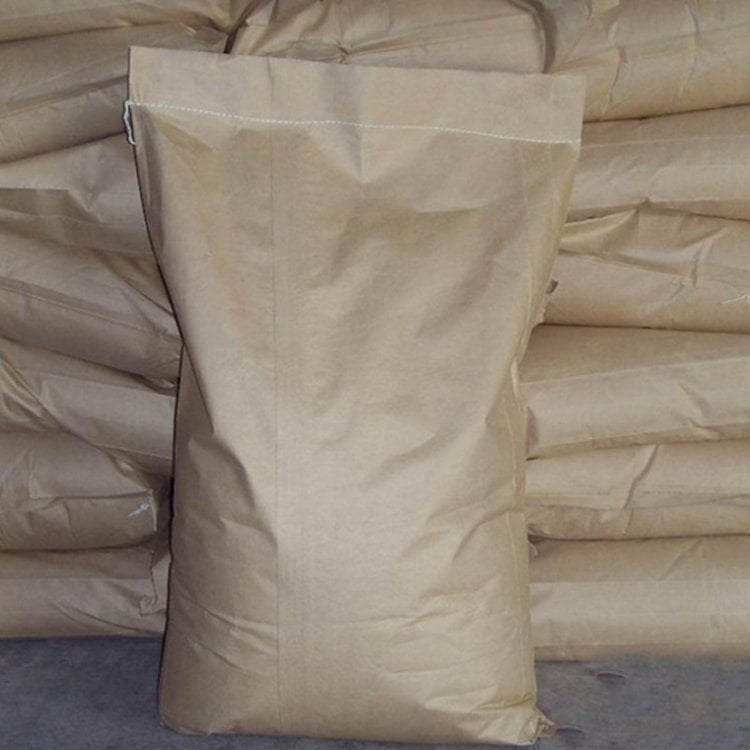
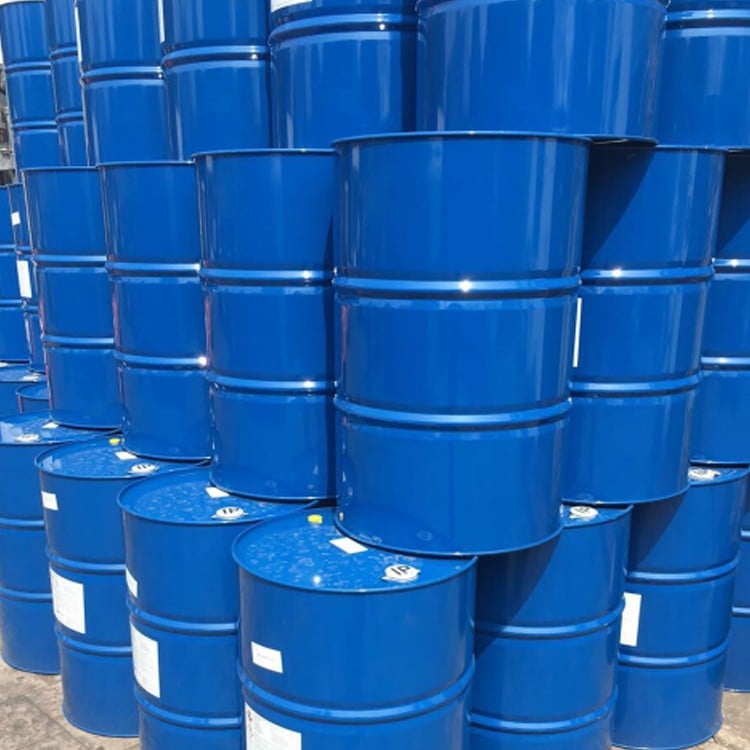
- Package: 1 kg aluminum foil bag (inner) in 5–25 kg fiber drum, or customized packing according to customer requirements.
Product Description
4-Butylresorcinol (4-butylbenzene-1,3-diol) is a high-value cosmetic active widely used in advanced skin-brightening formulas. As a substituted resorcinol, it shows strong inhibitory activity on tyrosinase and related enzymes involved in melanin formation, making it a key ingredient for even-tone and spot-correcting products.
📧 Email: info@industrochem.com for latest COA, bulk price and sample support.
Physicochemical Properties
| Item | Specification / Typical Value |
|---|---|
| Chemical name | 4-Butylresorcinol |
| Synonyms | 4-n-Butylresorcinol; Butylresorcinol; Rucinol |
| CAS | 18979-61-8 |
| Einecs (EC No.) | 606-191-2 |
| Molecular formula | C₁₀H₁₄O₂ |
| Molecular weight | 166.22 g/mol |
| Structure type | Resorcinol ring with n-butyl group at 4-position |
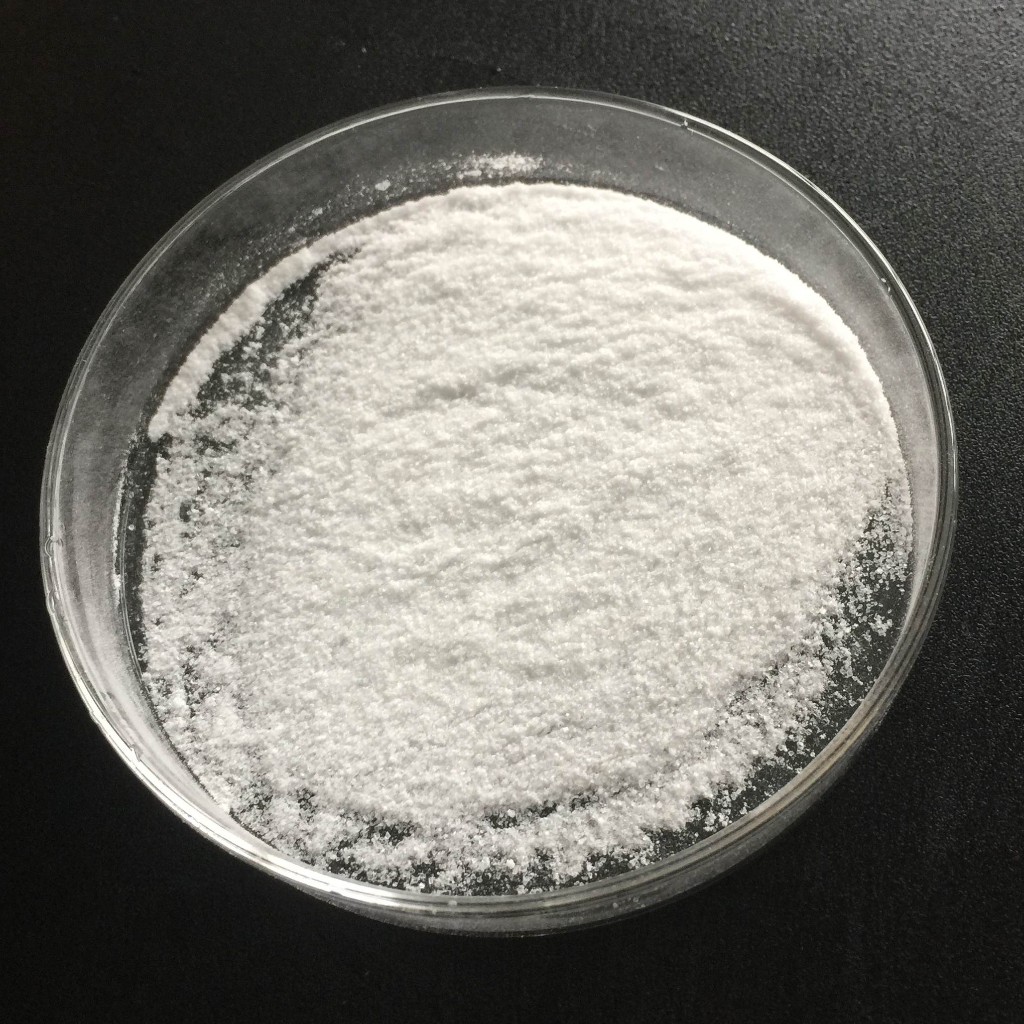
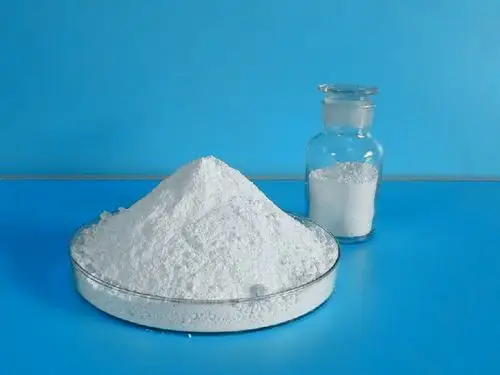
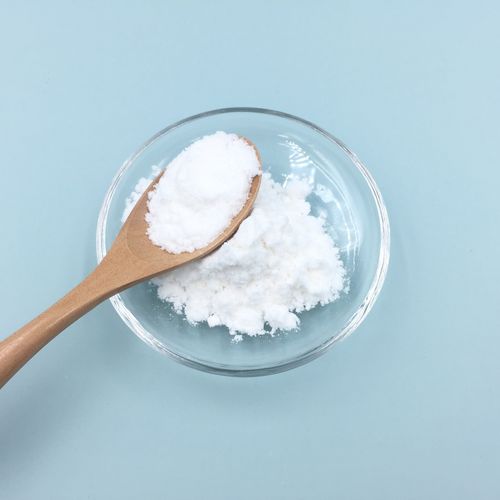
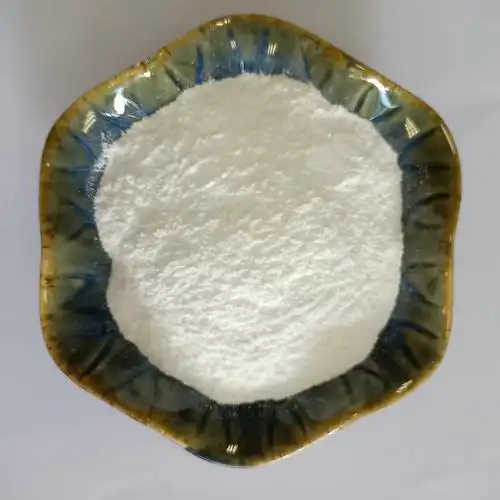
| Appearance | White to almost white / pale yellow crystalline powder |
| Assay (HPLC/GC) | ≥99.0% (cosmetic grade, typical) |
| Melting point | 50–55 °C |
| Boiling point | ~166 °C at 7 mmHg (lit.) |
| Density | ~1.04–1.09 g/cm³ (25 °C, predicted/estimated) |
| Log Pow (n-octanol/water) | ~2.8 (24–25 °C) |
| Water solubility | Approx. 2–3 g/L at 25 °C |
| Solubility in organic solvents | Freely soluble in DMSO, ethanol, propylene glycol; miscible with many cosmetic oils/solvents |
| pKa (phenolic OH) | ~9.9 |
| Odor | Characteristic, faint |
| Storage temperature (recommended) | 2–8 °C, sealed, dry, away from light |
Applications
1. Cosmetic skin-brightening active
- Core active ingredient in whitening and brightening creams, lotions and serums aimed at reducing the appearance of dark spots, uneven tone and age-related hyperpigmentation.
- Often combined with niacinamide, vitamin C derivatives, arbutin, tranexamic acid, etc., to create multi-pathway brightening complexes.
- Suitable for face, neck, hand and body spot-correction cosmetic products at appropriately controlled use levels, following local cosmetic regulations.
2. Advanced derma-cosmetics & clinic-inspired lines
- Used in premium depigmenting serums and dermatology-inspired formulations where fast visible brightening and good tolerance are required.
- Frequently selected as an alternative or complement to traditional actives in products designed for sensitive or long-term cosmetic use.
3. R&D and pharmaceutical intermediate use
- Employed as a reference standard and research tool in studies of tyrosinase inhibition and melanogenesis.
- Can serve as an intermediate or building block in the synthesis of other specialty molecules (e.g. cannabinoid derivatives) in laboratory-scale work.
Typical customer groups:
- Cosmetic brands and OEM/ODM factories
- Derma-cosmetic and clinical skin-care developers
- Raw-material distributors and traders
- R&D laboratories focusing on pigmentation and skin biology
Storage Conditions
To maintain the stability and activity of 4-Butylresorcinol, we recommend:
- Temperature
- Store in a cool environment, 2–8 °C for long-term storage. Short-term handling at room temperature is acceptable.
- Container & atmosphere
- Keep in the original, tightly closed container (aluminum foil inner bag + fiber drum or HDPE container).
- Protect from moisture, direct sunlight and high temperature.
- Avoid prolonged exposure to air to minimize oxidation and color change.
- Handling
- Open containers in a dry, well-ventilated area.
- Reseal promptly after sampling or weighing.
Safety Precautions
This information is for general industrial and laboratory handling only. Always follow your local regulations and the Safety Data Sheet (SDS) for your purchased batch.
- GHS classification: Typically supplied with GHS “Warning” signal word. May be harmful if swallowed and may cause skin and eye irritation.
Personal protection
- Wear appropriate protective gloves, safety goggles and lab coat when handling powders.
- Avoid generating and breathing dust; use local exhaust ventilation or dust extraction where necessary.
- Avoid direct contact with skin and eyes. In case of contact, rinse immediately with plenty of water and seek medical attention if irritation persists.
Operational safety
- Do not eat, drink or smoke in areas where the product is handled.
- Wash hands thoroughly after handling.
- Prevent release to the environment; collect spills mechanically and dispose of according to local regulations.
First aid (general guidance)
- Inhalation: Move to fresh air; seek medical advice if symptoms occur.
- Skin contact: Wash with soap and water; remove contaminated clothing.
- Eye contact: Rinse cautiously with water for several minutes; remove contact lenses if present and easy to do; continue rinsing and seek medical advice if irritation persists.
- Ingestion: Rinse mouth, do not induce vomiting; seek medical attention immediately.
FAQ - Technical & Supply Chain
-
Q:
How does the mechanism of CAS 18979-61-8 compare to other whitening agents?
A: CAS 18979-61-8 identifies 4-Butylresorcinol, which uniquely inhibits both the synthesis of tyrosinase and the activity of the enzyme itself, providing a stronger and faster depigmenting effect than single-mechanism agents like Vitamin C or Arbutin. -
Q:
Is this ingredient soluble in water for direct addition?
A: No, 4-Butylresorcinol is sparingly soluble in water but highly soluble in organic solvents, alcohols, and glycols; it is typically dissolved in the oil phase or a solvent premix before being incorporated into cosmetic emulsions.
Documents and Product Support
For product review and sourcing evaluation, supporting documents can be coordinated according to the product type, inquiry stage, and order requirements.
- COA for batch-based quality reference
- TDS for key physical and chemical information
- SDS / MSDS for handling, storage, and safety reference
- Packing information for sample, trial, and bulk orders
- Technical communication based on application and specification requirements
Information to Confirm Before Quotation
Clear sourcing information helps reduce specification mismatch and allows a more accurate quotation before sample or bulk order discussion.
- Product name and CAS number
- Application or intended end use
- Required purity, grade, or specification
- Sample quantity, trial order, or bulk demand
- Preferred packing form or net weight
- Destination country or port
- Required documents or compliance expectations
Packaging, Storage, and Handling Notes
Packaging form, storage conditions, shelf life, and shipment arrangements should be confirmed according to the product characteristics, package size, and destination requirements.
Before order confirmation, buyers are advised to review the corresponding product documents and confirm whether any special storage, labeling, or handling requirements apply.
Sample, Bulk Order and Repeat Supply Support
Support can be arranged for sample discussion, bulk supply planning, packaging confirmation, and routine sourcing communication based on the actual product and order requirements.
For repeat-use formulations or long-term procurement plans, buyers may discuss specification consistency, packaging preferences, delivery expectations, and document coordination in advance.