










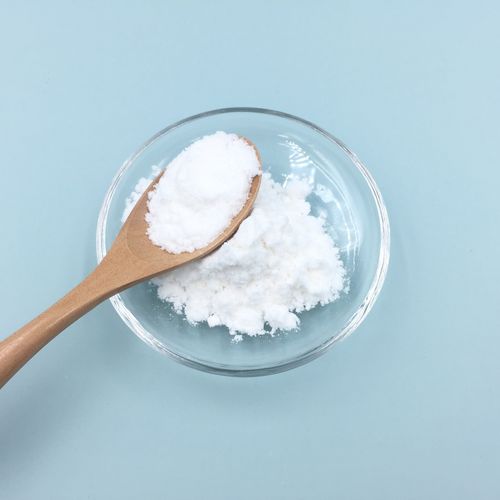
Kojic Acid Dipalmitate (CAS 79725-98-7) is a highly stable, oil-soluble derivative of Kojic Acid utilizing its modified ester structure to provide superior skin whitening efficacy without the oxidation issues of the parent compound. Chemically identified as the diester of Kojic Acid and Palmitic Acid, this white crystalline powder functions as a potent tyrosinase inhibitor, effectively blocking melanin formation to treat hyperpigmentation, age spots, and melasma. Unlike pure Kojic Acid, KAD is resistant to light, heat, and metallic ions, preventing color changes in formulations. As a lipophilic Cosmetic active, it is extensively integrated into high-end brightening creams, lotions, and sun-repair products due to its excellent skin permeability and moisturizing properties. We ensure bulk supply capabilities for this material, providing access to competitive factory pricing and customized specifications to meet specific melting point and color standards. Full technical documentation, including MSDS, TDS, COA, is available to support compliance and safety protocols.
Kojic Acid Dipalmitate CAS 79725-98-7
- CAS: 79725-98-7
- Synonyms: KAD, Kojic Dipalmitate, 2-Palmitoyloxymethyl-5-palmitoyloxy-gamma-pyrone, [6-(Palmitoyloxymethyl)-4-oxo-4H-pyran-3-yl] palmitate, Diepalmitate of Kojic Acid
- Molecular Formula: C38H66O6
- Grade: Cosmetic Grade
- Package: 1kg/Aluminium foil bag; 25kg/Fiber drum (or customized)
Product Description
Kojic Acid Dipalmitate (KAD) is a modified ester derivative of Kojic Acid. It overcomes the instability of Kojic Acid to light, heat, and metal ions, and keeps the inhibitory activity of tyrosinase and prevents the forming of melanin.
As a fat-soluble skin whitening agent, it is easier to be absorbed by the skin compared to water-soluble acids. It is compatible with almost all kinds of preservatives and sunscreens, making it a versatile ingredient for various cosmetic formulations.
Key Benefits:
- Skin Lightening: Effectively inhibits tyrosinase activity.
- Stability: Chemically stable, does not change color over time compared to pure Kojic Acid.
- Solubility: Oil-soluble, making it easy to formulate into creams and lotions.
Physicochemical Properties
| Parameter | Specification (Standard) |
|---|---|
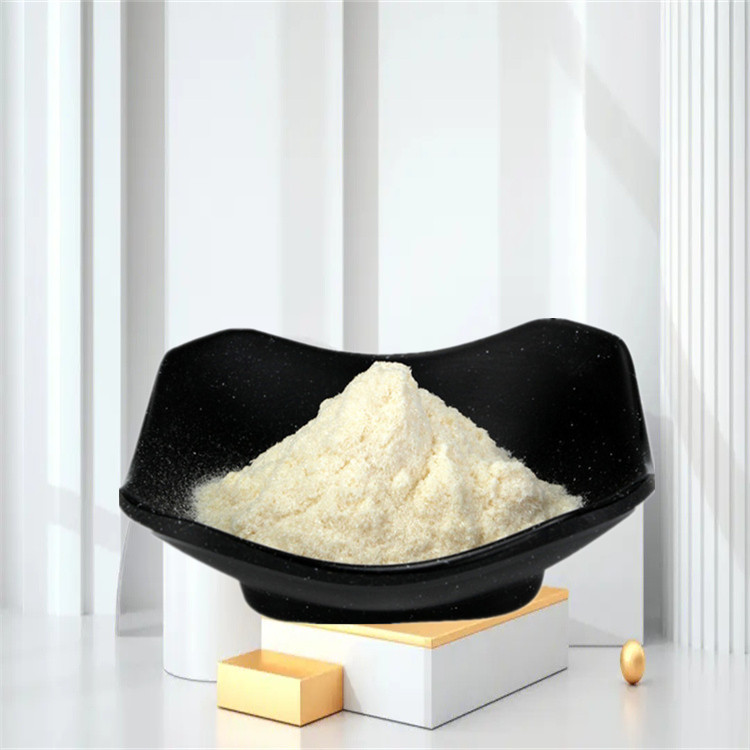
| Appearance | White to off-white crystalline powder |
| Assay (HPLC) | ≥ 99.0% |
| Melting Point | 92.0°C – 96.0°C |
| Loss on Drying | ≤ 0.5% |
| Residue on Ignition | ≤ 0.1% |
| Heavy Metals (Pb) | ≤ 10 ppm |
| Arsenic (As) | ≤ 2 ppm |
| Color (10% solution) | ≤ 30 Hazen |
| Solubility | Soluble in oil, alcohol; Insoluble in water |
Applications
Kojic Acid Dipalmitate is widely used in the cosmetic and personal care industry. Recommended dosage is typically 1.0% ~ 5.0%.
- Skin Whitening Products: Used in face creams, serums, and lotions to reduce hyperpigmentation, melasma, and age spots.
- Sun Care: Added to sunscreen products to prevent tanning and sun-induced pigmentation.
- Anti-Aging: Used in formulations to brighten skin tone and improve overall complexion.
- Color Cosmetics: Incorporated into foundations and concealers for dual makeup and skincare benefits.
Storage Conditions
- Storage: Store in a cool, dry, and well-ventilated place.
- Container: Keep the container tightly closed.
- Protection: Protect from direct sunlight, heat, and moisture.
- Shelf Life: 24 months when stored properly in original sealed packaging.
Safety Precautions
- Handling: Avoid direct contact with skin and eyes. Wear appropriate protective gloves, goggles, and a dust mask during handling.
- In Case of Contact:
- Eyes: Rinse cautiously with water for several minutes.
- Skin: Wash with plenty of soap and water.
- Disposal: Dispose of contents/container in accordance with local regulations.
- Note: For external use only. Not for internal consumption.
FAQ - Technical & Supply Chain
-
Q:
How does Kojic Acid Dipalmitate CAS 79725-98-7 compare to standard Kojic Acid?
A: Kojic Acid Dipalmitate (CAS 79725-98-7) overcomes the instability of pure Kojic Acid; it is oil-soluble (facilitating skin absorption) and does not oxidize or turn brown upon exposure to light, heat, or metal ions, ensuring a longer shelf life for the final cosmetic product. -
Q:
Is this ingredient effective for skin lightening formulations?
A: Yes, this material is typically applied as a primary whitening active because it inhibits tyrosinase activity more effectively than Kojic Acid in actual use due to its enhanced penetration into the skin layers and compatibility with other oil-phase ingredients.
Documents and Product Support
For product review and sourcing evaluation, supporting documents can be coordinated according to the product type, inquiry stage, and order requirements.
- COA for batch-based quality reference
- TDS for key physical and chemical information
- SDS / MSDS for handling, storage, and safety reference
- Packing information for sample, trial, and bulk orders
- Technical communication based on application and specification requirements
Information to Confirm Before Quotation
Clear sourcing information helps reduce specification mismatch and allows a more accurate quotation before sample or bulk order discussion.
- Product name and CAS number
- Application or intended end use
- Required purity, grade, or specification
- Sample quantity, trial order, or bulk demand
- Preferred packing form or net weight
- Destination country or port
- Required documents or compliance expectations
Packaging, Storage, and Handling Notes
Packaging form, storage conditions, shelf life, and shipment arrangements should be confirmed according to the product characteristics, package size, and destination requirements.
Before order confirmation, buyers are advised to review the corresponding product documents and confirm whether any special storage, labeling, or handling requirements apply.
Sample, Bulk Order and Repeat Supply Support
Support can be arranged for sample discussion, bulk supply planning, packaging confirmation, and routine sourcing communication based on the actual product and order requirements.
For repeat-use formulations or long-term procurement plans, buyers may discuss specification consistency, packaging preferences, delivery expectations, and document coordination in advance.


