










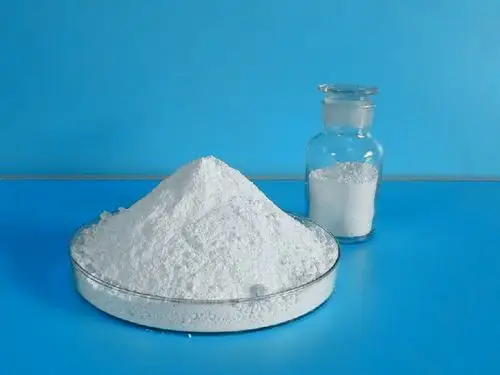
Tranexamic Acid (CAS 1197-18-8) is a synthetic derivative of the amino acid lysine, functioning as a premier antifibrinolytic agent in pharmaceuticals and a highly effective skin brightening ingredient in cosmetics. Chemically identified as trans-4-(Aminomethyl)cyclohexanecarboxylic acid, this white crystalline powder acts to competitively inhibit the activation of plasminogen to plasmin, thereby preventing blood clot breakdown and reducing inflammatory pigmentation pathways. As a water-soluble Trans-isomer amino acid, it is extensively integrated into hemostatic medications for trauma care and into advanced dermatological formulations to treat melasma, dark spots, and redness. We ensure bulk supply capabilities for this material, providing access to competitive factory pricing and customized specifications to meet specific purity standards (e.g., BP/USP/EP grades). Full technical documentation, including MSDS, TDS, COA, is available to support compliance and safety protocols.
Tranexamic CAS 1197-18-8
- CAS: 1197-18-8
- Synonyms: TXA, Trans-4-(Aminomethyl)cyclohexanecarboxylic acid, Trans-AMCHA, 4-(Aminomethyl)cyclohexane-1-carboxylic acid
- Einecs: 214-818-2
- Molecular Formula: C8H15NO2
- Grade: Cosmetic Grade / Pharma Grade (BP/USP/JP Standards)
- Package: 25kg/Fiber Drum with double PE inner bag; or 1kg/Aluminium Foil Bag.
Product Description
Tranexamic Acid is a synthetic amino acid derivative that serves as a powerful active ingredient in both the pharmaceutical and cosmetic industries. While originally used as a hemostatic agent, it has gained global recognition as a premier skin whitening and anti-pigmentation agent.
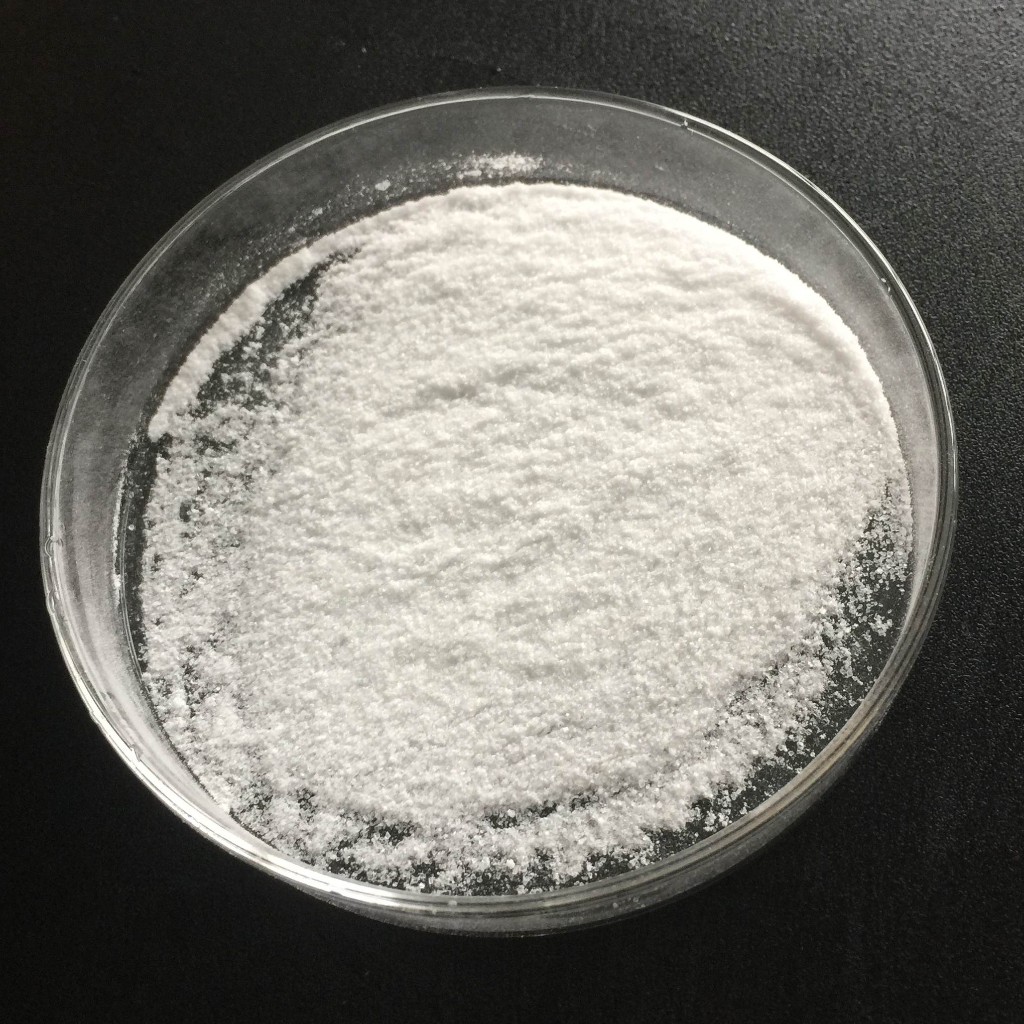
Our Tranexamic Acid is a high-purity, white crystalline powder that is water-soluble and highly stable against light, heat, and oxidation, making it superior to unstable whitening agents like Vitamin C. It works by inhibiting the activity of plasminogen activator, effectively blocking the pathway that triggers melanin production caused by UV damage. It is clinically proven to reduce melasma, dark spots, and hyperpigmentation while also possessing anti-inflammatory properties to soothe skin redness.
Physicochemical Properties
The following specifications are based on our standard export quality (Cosmetic/Pharma Grade):
| Test Item | Specification (Standard: BP/USP/JP) |
|---|---|
| Appearance | White crystalline powder |
| Assay (Purity) | 99.0% – 101.0% (Calculated on dried basis) |
| Identification (IR) | Conforms to structure |
| pH Value (5% Solution) | 7.0 – 8.0 |
| Loss on Drying | ≤ 0.5% |
| Residue on Ignition (Ash) | ≤ 0.1% |
| Heavy Metals | ≤ 10 ppm |
| Chloride (Cl) | ≤ 0.014% |
| Sulphate (SO4) | ≤ 0.014% |
| Related Substances | Chromatographic Purity (HPLC) < 0.2% |
| Solubility | Freely soluble in water and glacial acetic acid |
Applications
Tranexamic Acid CAS 1197-18-8 is widely utilized in the following sectors:
- Cosmetics & Skincare (Primary Focus):
- Whitening & Brightening: Effectively treats melasma, freckles, and age spots by inhibiting melanin synthesis.
- Anti-Inflammatory: Reduces redness and skin irritation, suitable for sensitive skin products.
- Synergy: Often combined with Niacinamide or Vitamin C for enhanced effects.
- Product Types: Used in lotions, creams, serums, face masks, and spot correctors.
- Recommended Dosage: 0.5% – 3.0% in cosmetic formulations.
- Pharmaceuticals:
- Hemostatic Agent: Used to control bleeding in surgery, trauma, and heavy menstruation (antifibrinolytic).
- Oral & Injectable: Manufactured to meet BP/USP pharmacopeia standards for medical use.
Storage Conditions
- Environment: Store in a cool, dry, and well-ventilated area.
- Temperature: Stable at room temperature.
- Container: Keep the container tightly closed.
- Stability: Unlike many other whitening agents, Tranexamic Acid is stable to light and heat, meaning it does not require brown bottles or refrigeration during transport, and maintains potency in finished formulations.
- Shelf Life: 36 months (3 Years) from the date of manufacture.
Safety Precautions
- Handling: Wear appropriate protective clothing, gloves, and eye/face protection. Avoid breathing dust.
- Skin Compatibility: It is generally considered non-irritating and safe for topical application on skin at recommended dosages.
- Eye Contact: In case of contact with eyes, rinse immediately with plenty of water and seek medical advice.
- Ingestion: Harmful if swallowed in large quantities (pure powder).
- Disposal: Dispose of contents/container in accordance with local/regional regulations.
FAQ - Technical & Supply Chain
-
Q:
What is Tranexamic Acid CAS 1197-18-8?
A: Tranexamic Acid CAS 1197-18-8 is a synthetic amino acid derivative with the molecular formula C8H15NO2 and molecular weight 157.21 g/mol. It is supplied as the trans-isomer and is widely used in pharmaceutical and cosmetic applications. -
Q:
Is the supplied Tranexamic Acid the active trans-isomer?
A: Yes. CAS 1197-18-8 identifies trans-4-(aminomethyl)cyclohexanecarboxylic acid, the biologically active isomer used for both pharmaceutical hemostatic action and cosmetic hyperpigmentation management. -
Q:
How does Tranexamic Acid work in skin-brightening cosmetics?
A: It interferes with the plasminogen/plasmin pathway and related inflammatory signals that can activate melanocytes after UV or skin stress. This helps reduce melanin overproduction, so it is commonly used in serums, creams and spot-treatment formulas for melasma and uneven pigmentation. -
Q:
What are the main quality parameters for this product?
A: Typical export specifications are white crystalline powder, assay 99.0-101.0% on dried basis, IR identification, pH 7.0-8.0, loss on drying, residue on ignition and controlled heavy metals. It is freely soluble in water and practically insoluble in ethanol and acetone. -
Q:
How should Tranexamic Acid be stored?
A: Store it in a tightly sealed container in a cool, dry place, protected from light and moisture. For formulation, use a water-based or aqueous-phase system at a pH appropriate for the finished product.
Ordering & Documentation
Key information for document requests, quotations, and supply planning.
Documents
COA, TDS, SDS/MSDS and packing details are available on request.
Quotation
Send the CAS number, grade, quantity, packing preference and destination.
Sample & Supply
Support is available for samples, trial orders, bulk and repeat supply.
Storage & Shipping
Product-specific conditions are confirmed before order.

