










• Mandelic Acid CAS 611-72-3

Mandelic Acid CAS 611-72-3

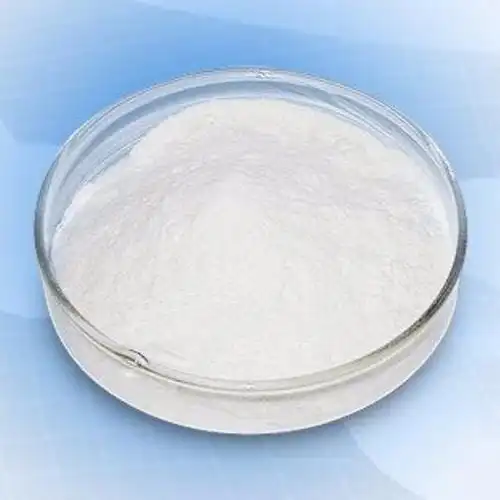
Mandelic Acid (CAS 611-72-3), chemically known as Alpha-Hydroxyphenylacetic Acid, is a large-molecular-weight Alpha Hydroxy Acid (AHA) utilizing its unique aromatic structure to provide gentle yet effective exfoliation for sensitive and acne-prone skin. Chemically identified as 2-Hydroxy-2-phenylacetic acid, this white crystalline powder functions as a dual-action keratolytic and antibacterial agent. Unlike Glycolic Acid, its larger molecular size ensures slower skin penetration, significantly reducing irritation while its lipophilic properties allow it to target oil and sebum within the pores. Derived from the hydrolysis of bitter almond extract (or synthesized via benzaldehyde), it is extensively integrated into chemical peels, acne treatment serums, and anti-aging toners to treat hyperpigmentation, photo-aging, and inflammatory acne without causing post-inflammatory hyperpigmentation (PIH). We ensure bulk supply capabilities for this material, providing access to competitive factory pricing and customized specifications to meet specific particle size and purity requirements (e.g., >99% Cosmetic Grade / DL-Mandelic Acid). Full technical documentation, including MSDS, TDS, COA, is available to support compliance and safety protocols.

  • CAS: 611-72-3
  • Synonyms: DL-Mandelic Acid, 2-Hydroxy-2-phenylacetic acid, Alpha-hydroxyphenylacetic acid, Amygdalic acid, Phenylglycolic acid
  • Einecs: 210-277-1
  • Molecular Formula: C8H8O3
  • Grade: Cosmetic Grade / Pharmaceutical Intermediate
  • Package: 25kg/Cardboard Drum or Fiber Drum with double plastic lining (or customized).
Request a quote
Share:

Product Description

Mandelic Acid is a white crystalline powder derived from the hydrolysis of an extract of bitter almonds or synthesized chemically. Structurally, it is an alpha-hydroxy acid (AHA) with a benzene ring.

Why choose Mandelic Acid?

  1. Gentle Exfoliation: Because its molecular weight (152.15 Da) is larger than that of Glycolic Acid (76.05 Da), it penetrates the skin more slowly and evenly, causing significantly less irritation. This makes it the preferred AHA for sensitive skin.
  2. Dual Action: It possesses both water-solubility and partial lipid-solubility, allowing it to work effectively on the skin surface and within pores.
  3. Antibacterial: It has natural antibacterial properties, making it highly effective for acne-prone skin care.

Physicochemical Properties

ParameterSpecification (Standard)
AppearanceWhite crystalline powder or flake
Assay (Titration)≥ 99.0%
Melting Point118.0°C – 121.0°C
Loss on Drying≤ 0.5%
Residue on Ignition (Ash)≤ 0.1%
Heavy Metals (Pb)≤ 10 ppm
Arsenic (As)≤ 2 ppm
Turbidity≤ 10 NTU
SolubilityFreely soluble in water, ethanol, and ether.
Optical Rotation±0.5° (for DL-racemic mixture)

Applications

Mandelic Acid is versatile and used across multiple sectors:

  1. Cosmetics & Personal Care (Primary Use):
    • Acne Treatment: Used in cleansers and serums to unclog pores and reduce acne bacteria.
    • Exfoliation: Promotes cell turnover to smooth skin texture.
    • Hyperpigmentation: Helps fade dark spots, melasma, and sun damage.
    • Recommended Dosage: Typically 2% – 10% in leave-on products; higher concentrations in professional peels.
  2. Pharmaceutical Industry:
    • Intermediate: Used as a key intermediate for the synthesis of Cephalosporins, urinary antiseptics (Methenamine Mandelate), and antispasmodics.
    • Reagent: Used as an analytical reagent.
  3. Dye Industry:
    • Used extensively as a dye intermediate.

Storage Conditions

  • Environment: Store in a cool, dry, and well-ventilated area.
  • Packaging: Keep container tightly sealed when not in use.
  • Light: Protect from direct sunlight and strong light sources.
  • Incompatibility: Store away from strong oxidizing agents and reducing agents.

Safety Precautions

  • Handling: Mandelic Acid is an irritant. Avoid contact with eyes, skin, and clothing. Wear safety glasses, gloves, and a dust mask to prevent inhalation of powder.
  • First Aid:
    • Eye Contact: Rinse immediately with plenty of water for at least 15 minutes. Seek medical advice.
    • Skin Contact: Wash off with soap and plenty of water.
    • Inhalation: Move to fresh air. If breathing is difficult, give oxygen.
  • Transport: Non-hazardous for road, sea, and air transport (standard chemical handling applies).

FAQ - Technical & Supply Chain

  • Q:

    Why is Mandelic Acid CAS 611-72-3 considered safer for darker skin tones compared to other AHAs?

    A: Mandelic Acid (CAS 611-72-3) has a larger molecular weight (152.1 Da) than Glycolic Acid (76.0 Da), which slows its penetration rate into the epidermis. This controlled absorption prevents the rapid inflammation that often triggers Post-Inflammatory Hyperpigmentation (PIH) in melanin-rich skin types.
  • Q:

    Does this acid have antibacterial properties?

    A: Yes, unique among AHAs, Mandelic Acid possesses natural antibacterial structure, making it highly effective against C. acnes bacteria, which allows it to treat active acne breakouts while simultaneously exfoliating dead skin cells.
Documents

Documents and Product Support

For product review and sourcing evaluation, supporting documents can be coordinated according to the product type, inquiry stage, and order requirements.

  • COA for batch-based quality reference
  • TDS for key physical and chemical information
  • SDS / MSDS for handling, storage, and safety reference
  • Packing information for sample, trial, and bulk orders
  • Technical communication based on application and specification requirements
Quotation

Information to Confirm Before Quotation

Clear sourcing information helps reduce specification mismatch and allows a more accurate quotation before sample or bulk order discussion.

  • Product name and CAS number
  • Application or intended end use
  • Required purity, grade, or specification
  • Sample quantity, trial order, or bulk demand
  • Preferred packing form or net weight
  • Destination country or port
  • Required documents or compliance expectations
Storage & Handling

Packaging, Storage, and Handling Notes

Packaging form, storage conditions, shelf life, and shipment arrangements should be confirmed according to the product characteristics, package size, and destination requirements.

Before order confirmation, buyers are advised to review the corresponding product documents and confirm whether any special storage, labeling, or handling requirements apply.

Supply Support

Sample, Bulk Order and Repeat Supply Support

Support can be arranged for sample discussion, bulk supply planning, packaging confirmation, and routine sourcing communication based on the actual product and order requirements.

For repeat-use formulations or long-term procurement plans, buyers may discuss specification consistency, packaging preferences, delivery expectations, and document coordination in advance.

Contact Form

Use our contact form to send us your questions, suggestions or comments. We will respond as soon as possible.