











• Glycolic Acid CAS 79-14-1

Glycolic Acid CAS 79-14-1

Glycolic Acid (CAS 79-14-1) is the smallest alpha-hydroxy acid (AHA) functioning as a potent exfoliant in personal care formulations and a descaling agent in industrial cleaning. Chemically identified as Hydroxyacetic acid or 2-Hydroxyethanoic acid, this colorless crystalline solid or solution acts to weaken cell adhesion in the epidermis and dissolve mineral deposits in processing equipment. As a highly soluble Hydroxyethanoic acid derivative, it is extensively utilized in chemical peels, dyeing auxiliaries, and leather tanning processes. We ensure bulk supply capabilities for this material, providing access to competitive factory pricing and customized specifications to meet specific concentration requirements (e.g., 70% solution or 99% powder). Full technical documentation, including MSDS, TDS, COA, is available to support compliance and safety protocols.

  • CAS: 79-14-1
  • Synonyms: Hydroxyacetic acid, 2-Hydroxyethanoic acid, Hydroxyethanoic acid, Alpha-hydroxyacetic acid
  • Einecs: 201-180-5
  • Molecular Formula: C2H4O3
  • Grade: Cosmetic Grade, Technical Grade, Industrial Grade
  • Package: 70% Liquid: 250kg Plastic Drum or 1250kg IBC Tank • 99% Powder: 25kg Fiber Drum or Multi-wall Paper Bag with PE liner
Request a quote
Share:

Product Description

Glycolic Acid is produced through the carbonylation of formaldehyde or hydrolysis of chloroacetic acid.

  1. For Cosmetics: Its small molecular size allows it to penetrate the epidermis efficiently, weakening the binding properties of the lipids that hold dead skin cells together. This makes it an ideal exfoliant and anti-aging agent.
  2. For Industry: It effectively complexes with metal ions (Calcium, Magnesium) and is used to remove scale and rust. It is far less corrosive to metals than mineral acids like hydrochloric acid and is environmentally friendly (readily biodegradable).

Physicochemical Properties

We supply both 70% Aqueous Solution and 99% High Purity Crystal.

Test ItemSpecification (70% Liquid)Specification (99% Crystal)
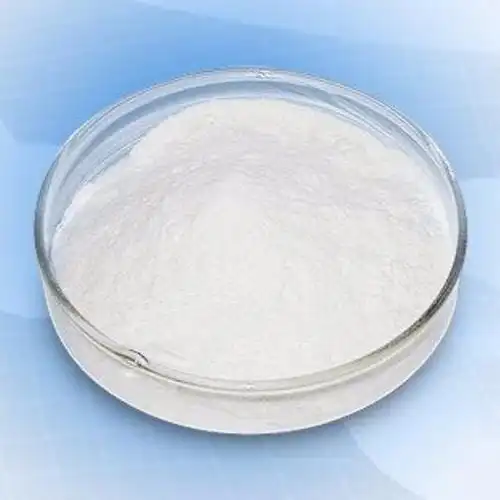
AppearanceClear, colorless to light yellow liquidWhite crystalline powder
Assay (Total Acid)≥ 70.0%≥ 99.0%
Color (Hazen/APHA)≤ 20≤ 10 (Solution)
Chloride (Cl-)≤ 20 ppm≤ 10 ppm
Sulfate (SO4 2-)≤ 50 ppm≤ 50 ppm
Iron (Fe)≤ 10 ppm≤ 5 ppm
Heavy Metals (Pb)≤ 10 ppm≤ 10 ppm
Turbidity≤ 10 NTUClear in solution
SolubilityMiscible with water in all proportionsSoluble in water and alcohol

Applications

  1. Personal Care & Cosmetics:
    • Exfoliants: Chemical peels and face masks.
    • Skin Care: Anti-aging creams, lotions, and acne treatments (promotes skin cell turnover).
    • Hair Care: Conditioners and moisturizing treatments.
  2. Industrial Cleaning:
    • Household Cleaners: Bathroom and tile cleaners (removes soap scum and hard water scale).
    • Industrial Descaling: Boiler cleaning and pipeline maintenance.
    • Dairy & Food: Cleaning in Place (CIP) systems to remove milk stone (calcium deposits).
  3. Textile & Leather:
    • Dyeing Auxiliary: Adjusts pH and acts as a complexing agent.
    • Tanning: Used in the deliming and pickling process of leather.

Storage Conditions

  • Temperature:
    • 70% Solution: Store above 10°C to prevent crystallization (the solution may precipitate crystals at low temperatures; gentle warming restores it).
    • 99% Crystal: Store in a cool, dry place below 30°C.
  • Environment: Keep container tightly closed in a dry and well-ventilated place.
  • Material Compatibility: Store in high-density polyethylene (HDPE) or stainless steel containers. Avoid carbon steel.
  • Shelf Life: 12-24 months depending on grade and storage.

Safety Precautions

  • Corrosivity: Danger! Glycolic Acid is corrosive to the skin and eyes. It can cause severe burns and eye damage.
  • PPE: Wear chemical-resistant gloves (butyl rubber/neoprene), safety goggles, and protective face shield when handling concentrates.
  • Skin Contact: Immediately remove contaminated clothing and wash skin with plenty of soap and water.
  • Eye Contact: Rinse cautiously with water for at least 15 minutes and seek immediate medical attention.
  • Inhalation: Avoid breathing mist or dust. Use with adequate ventilation.

FAQ - Technical & Supply Chain

  • Q:

    What is the specific chemical designation of Glycolic Acid CAS 79-14-1 in commercial trading?

    A: Glycolic Acid (CAS 79-14-1) is designated as the simplest alpha-hydroxy acid, chemically termed Hydroxyacetic acid, and is supplied as a hygroscopic solid or aqueous solution for diverse exfoliating and cleaning applications.
  • Q:

    Is this acid effective for industrial cleaning applications?

    A: Yes, this product is typically applied in industrial formulations to remove hard water scale, rust, and mineral deposits from equipment and masonry, offering a safer profile compared to strong mineral acids.
Documents

Documents and Product Support

For product review and sourcing evaluation, supporting documents can be coordinated according to the product type, inquiry stage, and order requirements.

  • COA for batch-based quality reference
  • TDS for key physical and chemical information
  • SDS / MSDS for handling, storage, and safety reference
  • Packing information for sample, trial, and bulk orders
  • Technical communication based on application and specification requirements
Quotation

Information to Confirm Before Quotation

Clear sourcing information helps reduce specification mismatch and allows a more accurate quotation before sample or bulk order discussion.

  • Product name and CAS number
  • Application or intended end use
  • Required purity, grade, or specification
  • Sample quantity, trial order, or bulk demand
  • Preferred packing form or net weight
  • Destination country or port
  • Required documents or compliance expectations
Storage & Handling

Packaging, Storage, and Handling Notes

Packaging form, storage conditions, shelf life, and shipment arrangements should be confirmed according to the product characteristics, package size, and destination requirements.

Before order confirmation, buyers are advised to review the corresponding product documents and confirm whether any special storage, labeling, or handling requirements apply.

Supply Support

Sample, Bulk Order and Repeat Supply Support

Support can be arranged for sample discussion, bulk supply planning, packaging confirmation, and routine sourcing communication based on the actual product and order requirements.

For repeat-use formulations or long-term procurement plans, buyers may discuss specification consistency, packaging preferences, delivery expectations, and document coordination in advance.

Contact Form

Use our contact form to send us your questions, suggestions or comments. We will respond as soon as possible.