










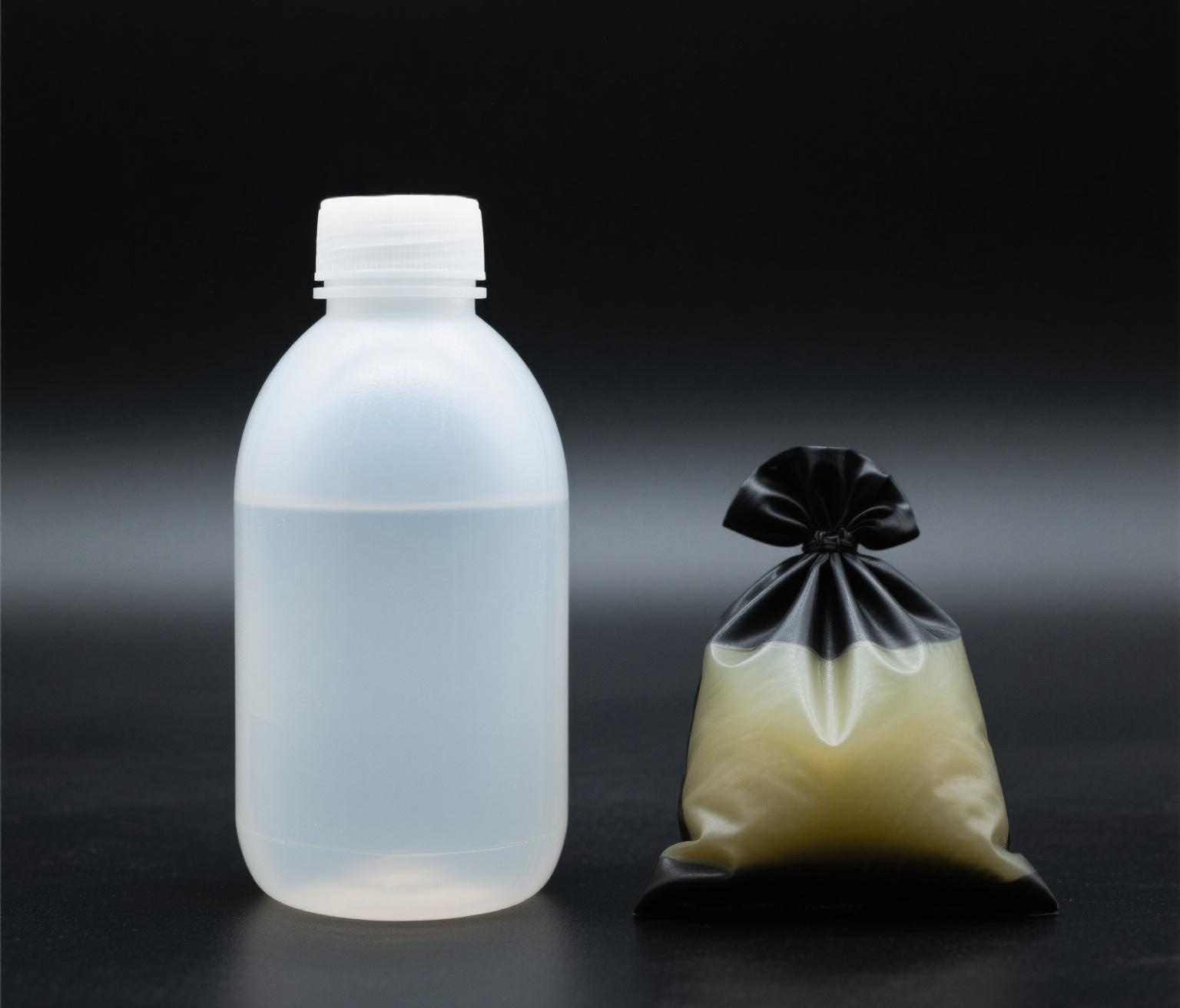
VBE Vanillyl Butyl Ether (CAS 82654-98-6) is an advanced oil-soluble sensory agent functioning as a mild, long-lasting warming ingredient in personal care and cosmetic formulations. Chemically identified as 4-(Butoxymethyl)-2-methoxyphenol, this colorless to pale yellow liquid acts to stimulate nerve receptors in the skin to produce a sensation of heat without the redness or stinging irritation associated with traditional capsaicin. As a stable Vanillyl alcohol ether derivative, it is extensively utilized in slimming creams, massage oils, and scalp treatments to enhance blood microcirculation and accelerate metabolism. We ensure bulk supply capabilities for this material, providing access to competitive factory pricing and customized specifications to meet specific purity standards (typically >98% or >99%). Full technical documentation, including MSDS, TDS, COA, is available to support compliance and safety protocols.
VBE Vanillyl Butyl Ether CAS 82654-98-6
- CAS: 82654-98-6
- Synonyms: 4-(Butoxymethyl)-2-methoxyphenol, Vanillyl butyl ether, Butyl vanillyl ether, VBE warming agent
- Einecs: 446-260-8
- Molecular Formula: C12H18O3
- Grade: Cosmetic Grade / Food Grade
- Package: 1kg Aluminum Bottle, 5kg, or 25kg Plastic Drum
Product Description
VBE acts by stimulating the nerve endings (TRPV1 receptors) in the skin to produce a sensation of heat.
Key Advantages:
- Low Irritation: Compared to Capsicum oleoresin or Synthetic Capsaicin, VBE is much less irritating to the skin and has a lower allergenic potential.
- Rapid & Lasting Effect: It induces a warming sensation within 5 minutes of application, which can last for several hours.
- Stability: It is chemically stable and easy to emulsify in various cosmetic formulations.
- Fragrance Enhancement: Due to its vanillyl structure, it adds a pleasant, subtle vanilla note to the final product.
Physicochemical Properties
| Test Item | Specification (Standard) |
|---|---|
| Appearance | Colorless to pale yellow liquid |
| Odor | Weak, characteristic vanilla-like odor |
| Assay (GC Purity) | ≥ 98.0% (Standard) / ≥ 99.0% (Premium) |
| Refractive Index (20°C) | 1.511 – 1.521 |
| Specific Gravity (20°C) | 1.052 – 1.072 g/cm³ |
| Acid Value | ≤ 1.0 mgKOH/g |
| Color (Hazen/APHA) | ≤ 80 |
| Boiling Point | Approx. 241°C |
| Flash Point | > 100°C |
| Solubility | Soluble in oil, ethanol, and most organic solvents; Slightly soluble in water |
Applications
- Body Shaping & Slimming: A key ingredient in slimming creams, lotions, and anti-cellulite products to promote blood circulation and metabolism.
- Pain Relief: Used in topical analgesic patches, ointments, and muscle rub gels to relieve joint pain and muscle stiffness through heat therapy.
- Personal Care:
- Lip Care: Used in lip plumpers and glosses to create a tingling sensation and volumizing effect.
- Massage: Essential ingredient in warming massage oils and foot bath products.
- Hair Care: Added to scalp treatments to stimulate follicles.
- Food Industry: Approved as a flavoring agent (FEMA 3796) to provide vanilla notes and heat sensation.
Recommended Dosage:
- Lips: 0.1% – 0.3%
- Body products: 0.2% – 1.0%
Storage Conditions
- Temperature: Store in a cool place (below 25°C). However, do not freeze.
- Oxidation Control: VBE can turn yellow if oxidized. It is strictly recommended to keep it in tightly sealed containers, preferably with Nitrogen blanketing if opened.
- Light: Protect from direct sunlight and strong UV sources.
- Shelf Life: 24 months in original unopened packaging.
Safety Precautions
- Handling: VBE is a concentrated warming agent. Do not apply pure VBE directly to the skin. It causes a strong burning sensation in its concentrated form.
- Protective Equipment: Wear protective gloves (nitrile) and safety goggles when handling the raw material.
- In Case of Contact:
- Skin: If concentrated liquid touches skin, do not wash with water immediately (it spreads the oil). Wash first with mineral oil or vegetable oil to dilute it, then wash with soap and water.
- Eyes: Rinse cautiously with water for several minutes and seek medical help.
FAQ - Technical & Supply Chain
-
Q:
How does VBE Vanillyl Butyl Ether CAS 82654-98-6 differ from Capsaicin in cosmetic applications?
A: Unlike Capsaicin, which can cause intense burning and irritation, VBE (CAS 82654-98-6) provides a gentle, rapidly developing, and enduring warming effect with a significantly lower irritation profile, making it safer for daily use products. -
Q:
Is this warming agent suitable for hair care formulations?
A: Yes, this material is typically applied in scalp treatments and hair growth lotions because its warming action helps improve blood circulation in the scalp, potentially aiding in nutrient delivery to hair follicles.
Documents and Product Support
For product review and sourcing evaluation, supporting documents can be coordinated according to the product type, inquiry stage, and order requirements.
- COA for batch-based quality reference
- TDS for key physical and chemical information
- SDS / MSDS for handling, storage, and safety reference
- Packing information for sample, trial, and bulk orders
- Technical communication based on application and specification requirements
Information to Confirm Before Quotation
Clear sourcing information helps reduce specification mismatch and allows a more accurate quotation before sample or bulk order discussion.
- Product name and CAS number
- Application or intended end use
- Required purity, grade, or specification
- Sample quantity, trial order, or bulk demand
- Preferred packing form or net weight
- Destination country or port
- Required documents or compliance expectations
Packaging, Storage, and Handling Notes
Packaging form, storage conditions, shelf life, and shipment arrangements should be confirmed according to the product characteristics, package size, and destination requirements.
Before order confirmation, buyers are advised to review the corresponding product documents and confirm whether any special storage, labeling, or handling requirements apply.
Sample, Bulk Order and Repeat Supply Support
Support can be arranged for sample discussion, bulk supply planning, packaging confirmation, and routine sourcing communication based on the actual product and order requirements.
For repeat-use formulations or long-term procurement plans, buyers may discuss specification consistency, packaging preferences, delivery expectations, and document coordination in advance.


