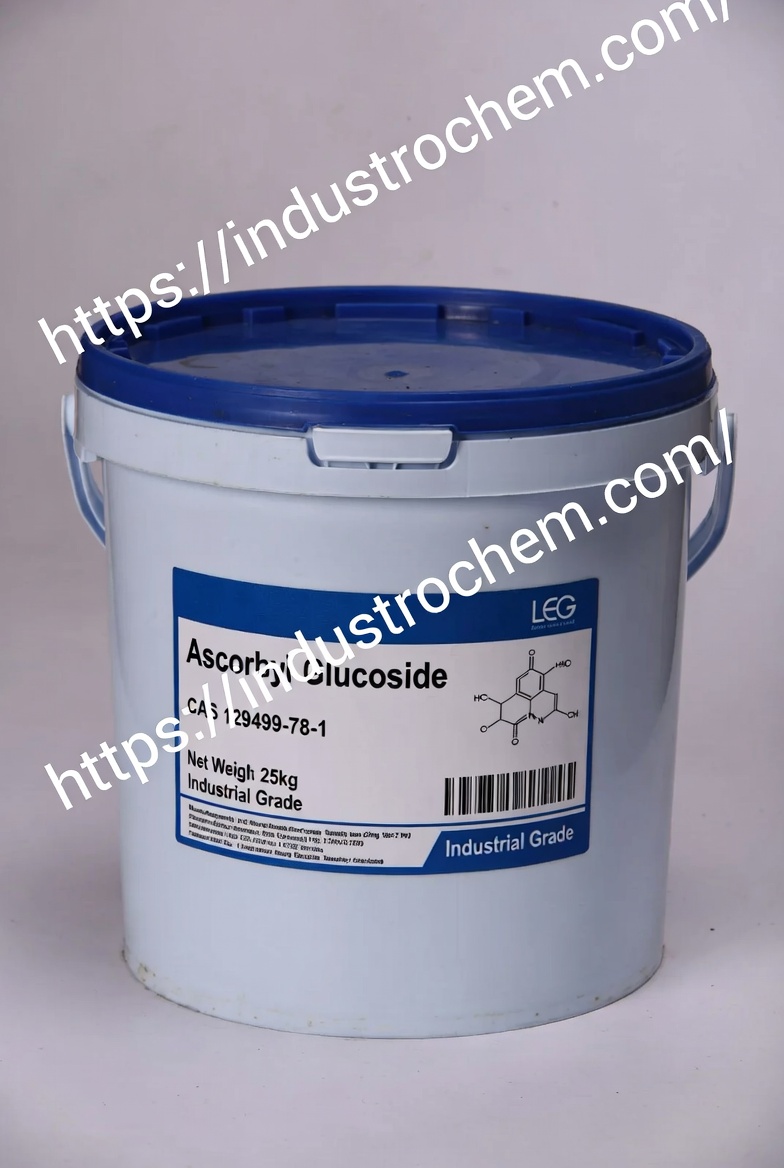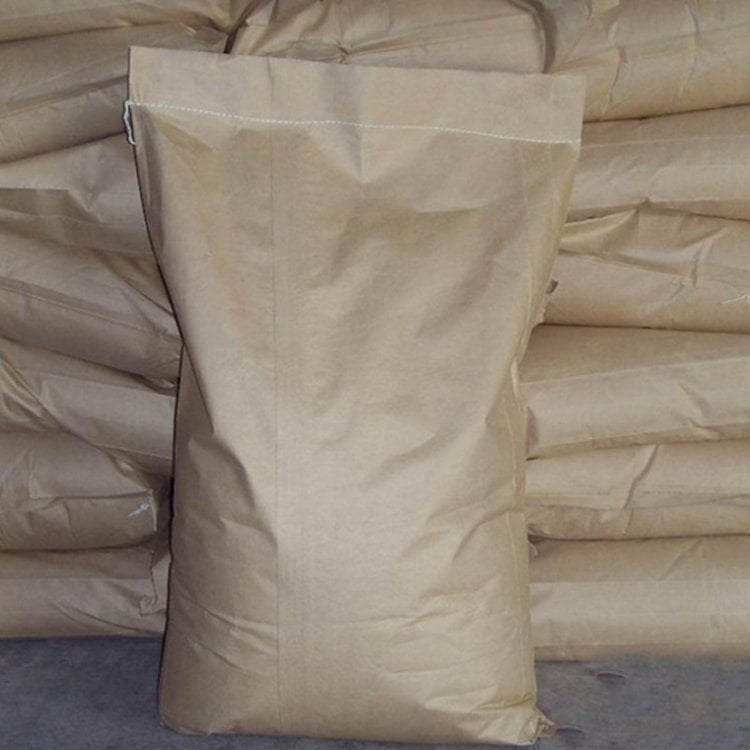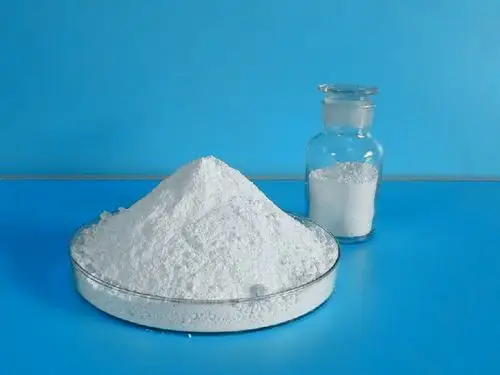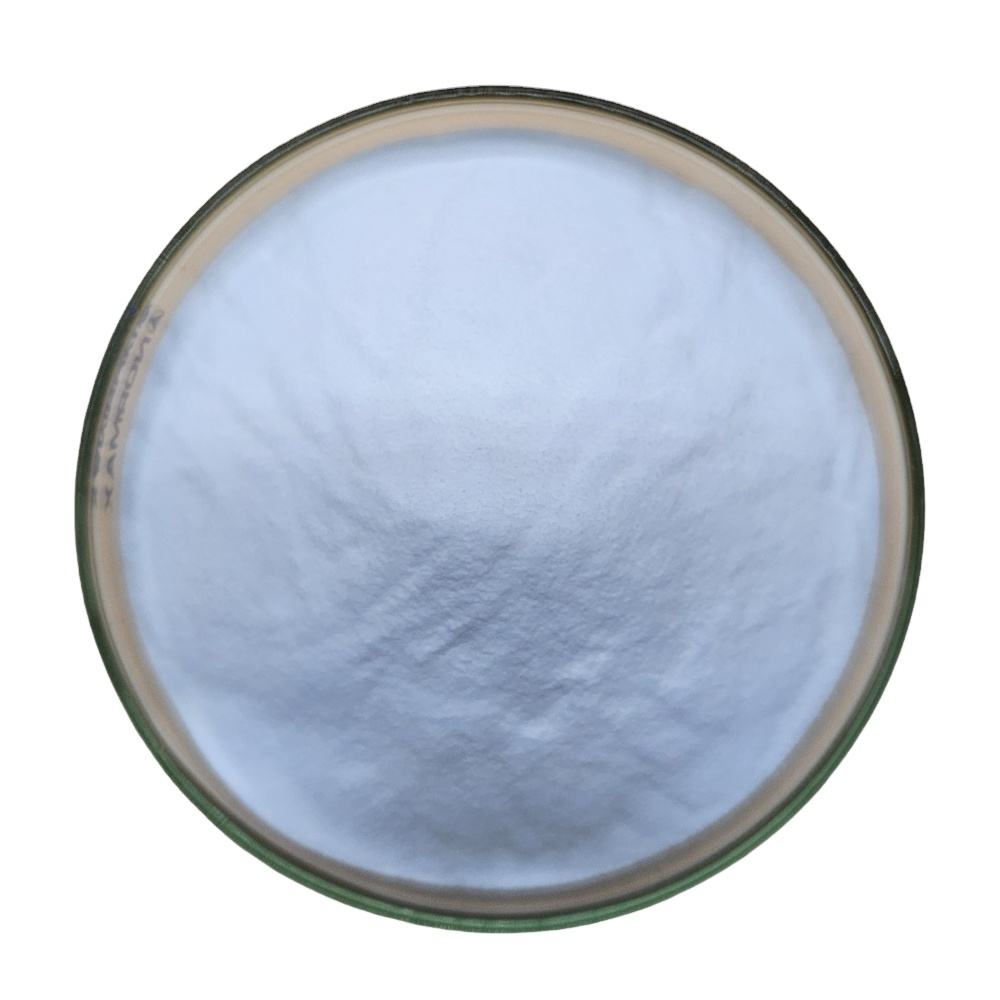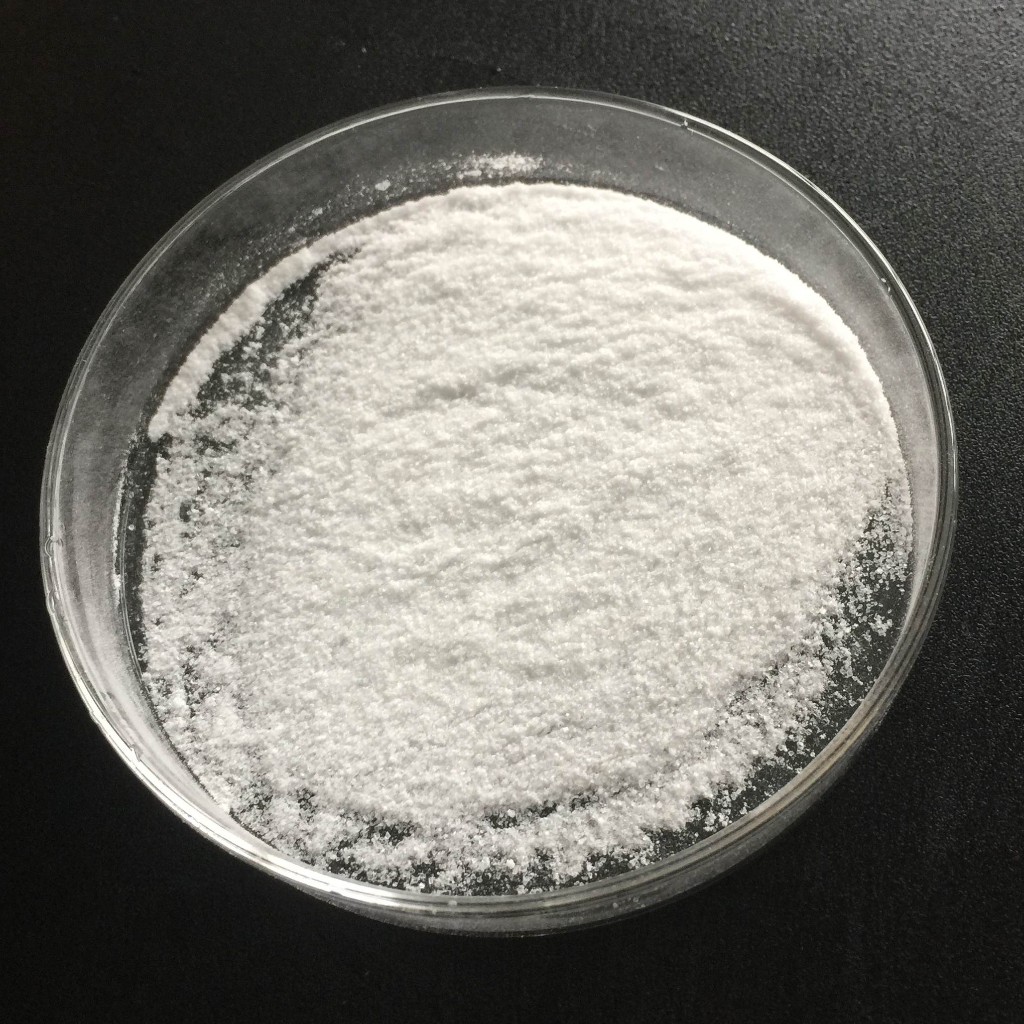
Ethyl Ascorbic Acid (CAS 86404-04-8), chemically distinct as 3-O-Ethyl-L-ascorbic acid, is a stable ether derivative of ascorbic acid utilized primarily as a functional active ingredient in skin brightening formulations and antioxidant cosmetics. This water-soluble Vitamin C ethyl ether functions by inhibiting tyrosinase activity and preventing melanin polymerization, offering superior thermal and oxidative stability compared to standard L-Ascorbic Acid in aqueous solutions. Unlike ester derivatives that require enzymatic cleavage, this 3-O-Ethyl ascorbate molecule is directly metabolized, serving as a highly efficient Ethyl ascorbic ether component for whitening serums, anti-aging lotions, and clinical skincare products. We provide this high-purity cosmetic raw material with competitive factory pricing to support personal care manufacturing and ensure bulk supply availability for global formulation demands. Our facility accommodates customized specifications for assay and crystal appearance, while every shipment is fully documented with MSDS, TDS, COA files to meet international regulatory standards.
Ethyl Ascorbic Acid CAS 86404-04-8
- CAS: 86404-04-8
- Synonyms: 3-O-Ethyl-L-ascorbic acid, Vitamin C ethyl ether, 3-O-Ethyl ascorbate
- Einecs: 617-849-3
- Molecular Formula: C₈H₁₂O₆
- Grade: Cosmetic grade, assay ≥99% (HPLC)
- Package: 1 kg aluminum foil bag; 25 kg fiber drum; or customized industrial packaging for bulk orders
Product Description
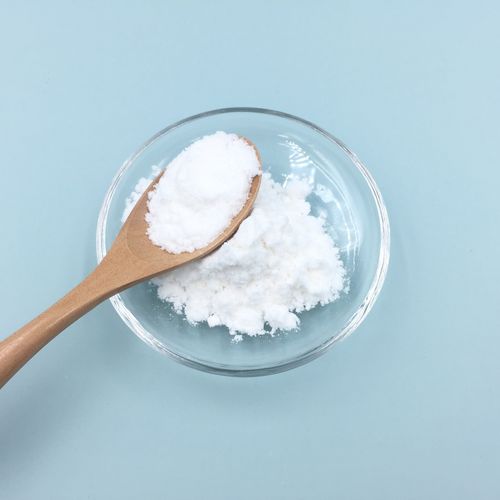
Ethyl Ascorbic Acid (3-O-Ethyl-L-Ascorbic Acid) is a highly stable, water-soluble vitamin C derivative widely used in brightening and anti-aging cosmetic formulations. It combines strong antioxidant performance with good formulation stability and skin penetration, making it suitable for high-end serums, creams, lotions and masks. For detailed specifications, pricing and samples, please contact us at 📧 Email: info@industrochem.com.
Physicochemical Properties
| Item | Specification / Typical Data |
|---|---|
| Chemical Name | Ethyl Ascorbic Acid; 3-O-Ethyl-L-Ascorbic Acid |
| CAS | 86404-04-8 |
| EINECS | 617-849-3 |
| Molecular Formula | C₈H₁₂O₆ |
| Molecular Weight | 204.18 g/mol |
| Appearance | White to off-white crystalline powder |
| Assay (HPLC) | ≥ 99.0% (cosmetic grade) |
| Odor | Practically odorless to faint characteristic |
| pH (1–3% aqueous solution) | Approx. 3.0 – 5.0 |
| Melting Point | Approx. 110 – 116 °C |
| Solubility | Freely soluble in water; soluble in ethanol and glycols; slightly soluble in oils/emollients |
| Stability (pH range) | Most stable around pH 3.0 – 6.5 (optimum approx. 5.0 – 6.0) |
| Recommended use level (cosmetics) | Typically about 0.5 – 3.0% w/w in finished formulations |
| Heavy Metals | ≤ 10 ppm (typical cosmetic-grade spec) |
| Loss on Drying | ≤ 1.0% (typical) |
Applications
1. Skin brightening and tone-evening
- Inhibits melanogenesis and reduces the appearance of hyperpigmentation, age spots and post-inflammatory dark marks.
- Helps achieve a more uniform, luminous skin tone when used continuously in brightening serums, spot treatments and day/night creams.
2. Anti-aging and anti-photoaging care
- Provides antioxidant protection against free radicals generated by UV exposure and pollution.
- Supports collagen synthesis, helping improve skin firmness, elasticity and the appearance of fine lines and wrinkles in anti-aging formulas.
3. Daily antioxidant defense
- Suitable for daily-use products designed to protect urban skin from environmental stress, such as facial essences, moisturizers and hybrid sunscreen/antioxidant products.
4. Synergistic whitening and repair systems
- Can be combined with niacinamide, arbutin, tranexamic acid, alpha-arbutin and other actives in multi-functional whitening and anti-spot formulas.
- Works well alongside UV filters and other antioxidants to strengthen overall skin barrier protection.
Storage Conditions
To maintain quality during storage and transport:
- Temperature: Store tightly closed at 2–8 °C for long-term stability; short transports at room temperature are acceptable if protected from heat.
- Environment: Keep in a cool, dry, and well-ventilated area, away from sources of heat and moisture.
- Light protection: Protect from direct sunlight and strong UV exposure (use light-proof or aluminum foil packaging).
- Container: Store in original sealed packaging or in well-closed, clean containers (inner PE bag + outer drum/box) to avoid contact with air and humidity.
- Shelf life: Typically up to 24 months under appropriate storage conditions; follow your own QC/COA data.
Safety Precautions
Ethyl Ascorbic Acid is generally considered safe as a cosmetic raw material when handled correctly and used at recommended levels. However, as a concentrated powder it should be handled in line with standard chemical safety practices:
- Classification: May cause serious eye irritation (Eye Irrit. 2, H319) according to several SDS documents.
- Personal protective equipment (PPE):
- Wear suitable eye/face protection (safety glasses or goggles).
- Use protective gloves and laboratory coat when handling bulk powder.
- Handling:
- Avoid creating dust; handle in a well-ventilated area.
- Do not eat, drink or smoke while handling the product.
- Wash hands and exposed skin thoroughly after handling.
- First aid (summary)
- Eyes: Rinse carefully with plenty of water for several minutes; remove contact lenses if present and easy to do; seek medical advice if irritation persists.
- Skin: Wash with soap and water; get medical attention if irritation develops.
- Inhalation: Move person to fresh air; seek medical advice if symptoms occur.
- Ingestion: Rinse mouth; seek medical advice if unwell.
- Use limitation: Raw material not for direct undiluted use on skin by consumers. It should be processed by qualified manufacturers into finished cosmetic or personal-care products that comply with local regulations.
FAQ - Technical & Supply Chain
-
Q:
How does the chemical structure of CAS 86404-04-8 enhance stability compared to pure Vitamin C?
A: CAS 86404-04-8 identifies the 3-O-ethyl ether derivative, where the modification at the C3 hydroxyl group protects the molecule from rapid oxidation and degradation, a common instability issue found in unmodified L-Ascorbic Acid (C6H8O6). -
Q:
Is this ingredient suitable for water-based cosmetic formulations?
A: Yes, this material is highly water-soluble and stable in aqueous environments, making it typically intended for use in clear serums, toners, and water-based lotions without the need for complex encapsulation.
Documents and Product Support
For product review and sourcing evaluation, supporting documents can be coordinated according to the product type, inquiry stage, and order requirements.
- COA for batch-based quality reference
- TDS for key physical and chemical information
- SDS / MSDS for handling, storage, and safety reference
- Packing information for sample, trial, and bulk orders
- Technical communication based on application and specification requirements
Information to Confirm Before Quotation
Clear sourcing information helps reduce specification mismatch and allows a more accurate quotation before sample or bulk order discussion.
- Product name and CAS number
- Application or intended end use
- Required purity, grade, or specification
- Sample quantity, trial order, or bulk demand
- Preferred packing form or net weight
- Destination country or port
- Required documents or compliance expectations
Packaging, Storage, and Handling Notes
Packaging form, storage conditions, shelf life, and shipment arrangements should be confirmed according to the product characteristics, package size, and destination requirements.
Before order confirmation, buyers are advised to review the corresponding product documents and confirm whether any special storage, labeling, or handling requirements apply.
Sample, Bulk Order and Repeat Supply Support
Support can be arranged for sample discussion, bulk supply planning, packaging confirmation, and routine sourcing communication based on the actual product and order requirements.
For repeat-use formulations or long-term procurement plans, buyers may discuss specification consistency, packaging preferences, delivery expectations, and document coordination in advance.