










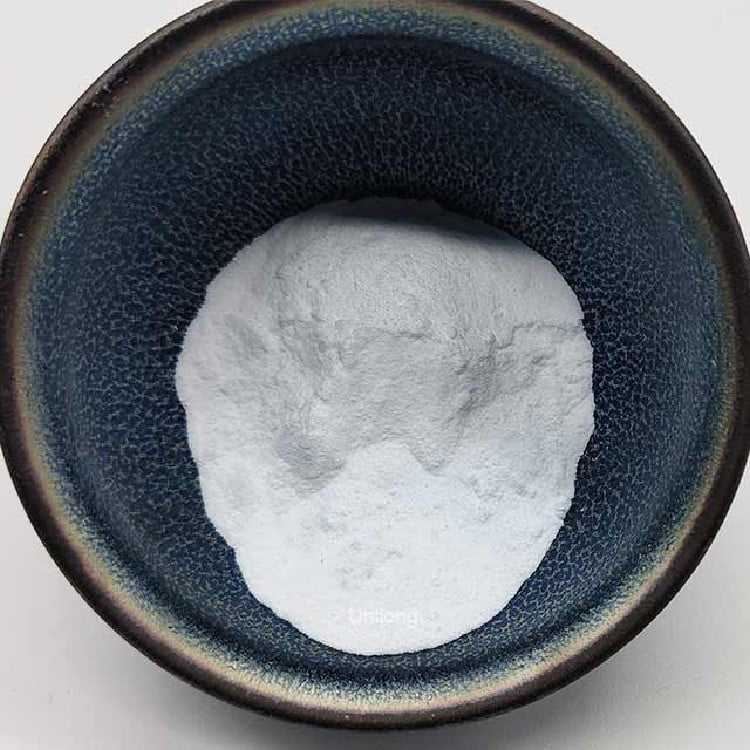
• Ascorbyl Palmitate CAS 137-66-6

Ascorbyl Palmitate CAS 137-66-6

Ascorbyl Palmitate (CAS 137-66-6) is a highly stable, fat-soluble ester of Vitamin C utilizing its lipophilic nature to protect fats and oils from oxidation in food and cosmetic formulations. Chemically identified as L-Ascorbyl 6-palmitate, this white to yellowish powder acts as a potent antioxidant that synergistically functions with Vitamin E to extend the shelf life of lipid-containing products. Unlike water-soluble ascorbic acid, this Amphipathic Vitamin C derivative can penetrate cell membranes, making it extensively integrated into anti-aging skincare for collagen stimulation and skin brightening, as well as into infant formulas and margarine as a preservative (E304). We ensure bulk supply capabilities for this material, providing access to competitive factory pricing and customized specifications to meet specific purity standards (e.g., Food Grade FCC / USP / BP). Full technical documentation, including MSDS, TDS, COA, is available to support compliance and safety protocols.

  • CAS: 137-66-6
  • Synonyms: L-Ascorbyl palmitate, Vitamin C palmitate, Palmitoyl ascorbic acid, 6-O-Palmitoyl-L-ascorbic acid, E304 antioxidant
  • Einecs: 205-305-4
  • Molecular Formula: C22H38O7
  • Grade: Food Grade (FCC/E304) / Cosmetic Grade / Pharma Grade (USP/BP)
  • Package: 10kg/Carton, 25kg/Fiber Drum, or 500g/Aluminum Foil Bag (Vacuum packed)
Request a quote
Share:

Product Description

Ascorbyl Palmitate is a highly effective, fat-soluble form of Vitamin C (Ascorbic Acid), produced by the esterification of ascorbic acid with palmitic acid. Unlike water-soluble Vitamin C, Ascorbyl Palmitate is amphipathic, meaning it can penetrate the skin barrier and cell membranes more effectively.

As a high-performance antioxidant, it is widely used in the food industry to extend the shelf life of oils and fats by preventing oxidation and rancidity. In the cosmetic industry, it is valued for its stability and ability to stimulate collagen production, brighten skin tone, and scavenge free radicals. Our product is manufactured under strict GMP conditions, ensuring high purity, low heavy metal content, and excellent thermal stability.


Physicochemical Properties

The following specifications are based on our standard export quality (compliant with FCC/USP/BP standards):

Test ItemSpecification
AppearanceWhite to yellowish powder
OdorSlight characteristic citrus odor
Assay (Purity)98.0% – 100.5% (Dry Basis)
Melting Point115.0°C – 118.0°C
Specific Rotation [α]25/D+21.0° to +24.0°
Loss on Drying≤ 2.0%
Residue on Ignition≤ 0.1%
Heavy Metals (Pb)≤ 10 mg/kg (ppm)
Arsenic (As)≤ 3 mg/kg (ppm)
Lead (Pb)≤ 2 mg/kg (ppm)
SolubilityInsoluble in water; Soluble in ethanol and vegetable oils

Applications

Ascorbyl Palmitate CAS 137-66-6 is a versatile ingredient used across multiple sectors:

  1. Food & Beverage Industry (Additives):
    • Antioxidant: Used in fats, oils, margarine, and mayonnaise to prevent oxidation (rancidity) and extend shelf life.
    • Color Protection: Protects beta-carotene and other natural pigments in beverages and dairy products.
    • Bakery: Used in instant noodles and baked goods containing fats.
  2. Cosmetics & Skincare:
    • Anti-Aging: Stimulates collagen synthesis and reduces fine lines.
    • Whitening: Inhibits tyrosinase activity to reduce pigmentation and dark spots.
    • Stability: Unlike pure Vitamin C, Ascorbyl Palmitate is stable in creams and lotions and does not oxidize easily (turning brown).
    • Sun Care: enhancing the efficacy of sunscreens by neutralizing UV-induced free radicals.
  3. Pharmaceuticals & Health Supplements:
    • Used as a source of Vitamin C in lipid-based formulations and soft gel capsules.

Storage Conditions

  • Environment: Store in a cool, dry, and dark place.
  • Temperature: Recommended storage temperature is below 25°C.
  • Protection: The product is sensitive to light and humidity. Keep the original packaging tightly sealed. Vacuum packing is recommended for long-term storage.
  • Shelf Life: 24 months from the date of manufacture under proper storage conditions.

Safety Precautions

  • Regulatory Status: Generally Recognized As Safe (GRAS) for food use in many countries (E number: E304).
  • Handling: Wear dust masks and safety glasses to avoid inhaling fine powder.
  • Skin/Eye Contact: Non-irritating to skin in normal handling. If it enters eyes, rinse thoroughly with water.
  • Ingestion: Safe for consumption within regulated food additive limits.
  • Flammability: As with most organic powders, avoid creating dust clouds near ignition sources.

FAQ - Technical & Supply Chain

  • Q:

    How does Ascorbyl Palmitate CAS 137-66-6 differ from regular Ascorbic Acid?

    A: The primary difference is solubility. Ascorbyl Palmitate (CAS 137-66-6) is esterified with palmitic acid, making it fat-soluble (lipophilic) and stable in oil phases and creams, whereas standard Ascorbic Acid is water-soluble and oxidizes more rapidly in aqueous solutions.
  • Q:

    Is this ingredient suitable for preventing rancidity in food oils?

    A: Yes, this material is chemically designed as a lipid-soluble antioxidant (E304), making it highly effective at retarding the oxidative rancidity of vegetable oils, frying fats, and lipid-rich foods like infant formula.
Documents

Documents and Product Support

For product review and sourcing evaluation, supporting documents can be coordinated according to the product type, inquiry stage, and order requirements.

  • COA for batch-based quality reference
  • TDS for key physical and chemical information
  • SDS / MSDS for handling, storage, and safety reference
  • Packing information for sample, trial, and bulk orders
  • Technical communication based on application and specification requirements
Quotation

Information to Confirm Before Quotation

Clear sourcing information helps reduce specification mismatch and allows a more accurate quotation before sample or bulk order discussion.

  • Product name and CAS number
  • Application or intended end use
  • Required purity, grade, or specification
  • Sample quantity, trial order, or bulk demand
  • Preferred packing form or net weight
  • Destination country or port
  • Required documents or compliance expectations
Storage & Handling

Packaging, Storage, and Handling Notes

Packaging form, storage conditions, shelf life, and shipment arrangements should be confirmed according to the product characteristics, package size, and destination requirements.

Before order confirmation, buyers are advised to review the corresponding product documents and confirm whether any special storage, labeling, or handling requirements apply.

Supply Support

Sample, Bulk Order and Repeat Supply Support

Support can be arranged for sample discussion, bulk supply planning, packaging confirmation, and routine sourcing communication based on the actual product and order requirements.

For repeat-use formulations or long-term procurement plans, buyers may discuss specification consistency, packaging preferences, delivery expectations, and document coordination in advance.

Contact Form

Use our contact form to send us your questions, suggestions or comments. We will respond as soon as possible.