










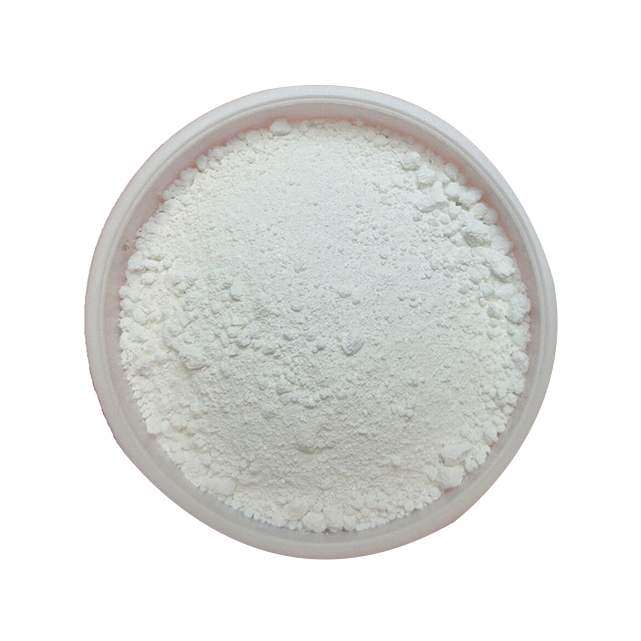
Colloidal Silicon Dioxide (CAS 7631-86-9), commercially known as Fumed Silica or Pyrogenic Silica, is a submicroscopic fumed silica utilizing its immense surface area and porous structure to act as a premier glidant and suspension aid. Chemically identified as Amorphous Anhydrous Silicon Dioxide, this extremely light, fluffy white powder functions to reduce friction between particles, significantly improving the flow properties of dry powders in pharmaceutical tableting and food processing. As a highly thixotropic agent, it is extensively integrated into liquid systems (like paints, unsaturated polyester resins, and toothpaste) to provide anti-sagging and thickening control without altering the color or clarity. We ensure bulk supply capabilities for this material, providing access to competitive factory pricing and customized specifications to meet specific specific surface area (BET) requirements (e.g., 200 m²/g for standard hydrophilic grades). Full technical documentation, including MSDS, TDS, COA, is available to support compliance and safety protocols.
Colloidal Silicon Dioxide CAS 7631-86-9
- CAS: 7631-86-9
- Synonyms: Fumed Silica, Pyrogenic Silica, Amorphous Silicon Dioxide, SiO2, Silica aerogel, Synthetic Amorphous Silica (SAS)
- Einecs: 231-545-4
- Molecular Formula: SiO2
- Grade: Pharmaceutical Grade / Food Grade / Industrial Grade
- Package: 10kg/Multi-layer paper bag (Due to low bulk density, standard packaging is 10kg, not 25kg).
Product Description
Colloidal Silicon Dioxide is a sub-microscopic fumed silica with a particle size typically around 7-40 nm. It is an amorphous (non-crystalline) form of silicon dioxide.
Core Functions:
- Flow Aid (Glidant): In pharmaceutical tablet manufacturing, it significantly improves the flow properties of powders, ensuring uniform dosage.
- Anti-Caking: Prevents clumping in hygroscopic powders and food products.
- Thickening & Thixotropy: In liquids (like creams, gels, and paints), it builds viscosity and prevents sagging or settling of pigments.
- Reinforcement: Used in silicone rubbers to increase tear strength and durability.
Physicochemical Properties
The specifications below refer to the standard Hydrophilic grade (comparable to Grade 200), widely used in general applications.
| Parameter | Specification (Standard) |
|---|---|
| Appearance | Fluffy white powder |
| Specific Surface Area (BET) | 200 ± 25 m²/g |
| Assay (SiO2) | ≥ 99.8% (on ignited basis) |
| pH Value (4% dispersion) | 3.7 – 4.5 |
| Loss on Drying (105°C, 2h) | ≤ 1.5% |
| Ignition Loss (1000°C, 2h) | ≤ 2.0% |
| Tamped Density | 40 ~ 60 g/L |
| Heavy Metals (Pb) | ≤ 20 ppm |
| Arsenic (As) | ≤ 3 ppm |
| Grit (Mils > 45µm) | ≤ 0.05% |
Applications
- Pharmaceuticals:
- Glidant for tableting and capsule filling to improve powder flow.
- Viscosity increasing agent in ointments and suppositories.
- Suspension stabilizer in liquid medicines.
- Cosmetics & Personal Care:
- Used in toothpaste as an abrasive and thickener.
- Adds volume to hair styling powders.
- Prevents caking in face powders and blushes.
- Food Industry:
- Anti-caking agent for spices, powdered milk, and coffee creamers (E551).
- Industrial Uses:
- Paints & Coatings: Prevents sagging and pigment settling.
- Adhesives & Sealants: Provides thixotropic (non-drip) control.
- Rubber: Reinforcing filler for silicone elastomers.
Storage Conditions
- Moisture Sensitivity: This product is highly hygroscopic (absorbs moisture from the air).
- Storage: Store in a cool, dry place. Keep pallets off the floor.
- Sealing: Keep packaging tightly closed immediately after use to prevent moisture absorption which can affect flow properties.
- Shelf Life: 24 months in unopened original packaging under dry conditions.
Safety Precautions
- Respiratory Protection: This powder is extremely fine and can become airborne easily (“dusty”). Always wear a NIOSH-approved dust mask or respirator (N95/P2) to avoid inhalation.
- Ventilation: Use local exhaust ventilation.
- Skin/Eye Contact: May cause mechanical irritation or drying of the skin. Wear safety goggles and gloves.
- Health Note: This is amorphous silica, not crystalline silica. It does not cause silicosis, but long-term inhalation of high concentrations of any dust should be avoided.
FAQ - Technical & Supply Chain
-
Q:
What is the difference between Colloidal Silicon Dioxide and Precipitated Silica?
A: Colloidal Silicon Dioxide (Fumed Silica) is produced via flame hydrolysis, resulting in a much lower bulk density and finer particle size, making it a superior glidant and thixotropic agent. Precipitated Silica is made via wet process and is typically used as a friction agent or thickener with higher abrasivity. -
Q:
Why is this material essential in tablet manufacturing?
A: It acts as a Glidant; adding just 0.1% to 1.0% significantly improves the flowability of the powder mix into the tablet dies, ensuring uniform weight and preventing capping or sticking problems during high-speed production.
Documents and Product Support
For product review and sourcing evaluation, supporting documents can be coordinated according to the product type, inquiry stage, and order requirements.
- COA for batch-based quality reference
- TDS for key physical and chemical information
- SDS / MSDS for handling, storage, and safety reference
- Packing information for sample, trial, and bulk orders
- Technical communication based on application and specification requirements
Information to Confirm Before Quotation
Clear sourcing information helps reduce specification mismatch and allows a more accurate quotation before sample or bulk order discussion.
- Product name and CAS number
- Application or intended end use
- Required purity, grade, or specification
- Sample quantity, trial order, or bulk demand
- Preferred packing form or net weight
- Destination country or port
- Required documents or compliance expectations
Packaging, Storage, and Handling Notes
Packaging form, storage conditions, shelf life, and shipment arrangements should be confirmed according to the product characteristics, package size, and destination requirements.
Before order confirmation, buyers are advised to review the corresponding product documents and confirm whether any special storage, labeling, or handling requirements apply.
Sample, Bulk Order and Repeat Supply Support
Support can be arranged for sample discussion, bulk supply planning, packaging confirmation, and routine sourcing communication based on the actual product and order requirements.
For repeat-use formulations or long-term procurement plans, buyers may discuss specification consistency, packaging preferences, delivery expectations, and document coordination in advance.


