










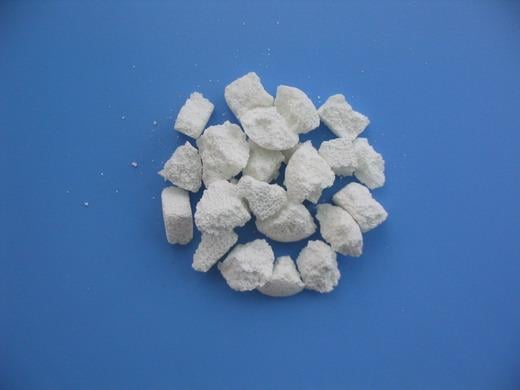
Hydroxyapatite (CAS 1306-06-5), frequently abbreviated as HAP or HAp, is a bioactive calcium phosphate ceramic utilizing its chemical similarity to natural bone and tooth enamel to provide superior remineralization and biocompatibility. Chemically identified as Calcium hydroxyapatite, this white powder functions as a biomimetic material that can bond directly to bone tissue and seal dentinal tubules. As the primary mineral component of human teeth, it is extensively integrated into desensitizing toothpastes and enamel repair serums to replace lost minerals and whiten teeth naturally without abrasion. In the biomedical field, it serves as a critical synthetic bone graft substitute and coating for orthopedic implants. We ensure bulk supply capabilities for this material, providing access to competitive factory pricing and customized specifications to meet specific particle sizes (e.g., Nano-grade <100nm for high reactivity or Micron-grade for fillers) and shapes (Spherical/Needle-like). Full technical documentation, including MSDS, TDS, COA, is available to support compliance and safety protocols.
Hydroxyapatite CAS 1306-06-5
- CAS: 1306-06-5
- Synonyms: Calcium hydroxyapatite, Hydroxylapatite, HAP, Calcium phosphate tribasic (Hydroxy form), Durapatite
- Einecs: 215-145-7
- Molecular Formula: Ca10(PO4)6(OH)2
- Grade: Oral Care Grade / Food Grade / Medical Grade
- Package: 25kg/Fiber Drum with inner plastic bag (or customized).
Product Description
Hydroxyapatite (HAP) is the main mineral component of vertebrate bones and teeth. Due to its excellent biocompatibility and bioactivity, it is non-toxic and non-irritating to human tissue.
Our synthetic Hydroxyapatite is produced via a precise precipitation method, resulting in high purity and controlled morphology.
- In Oral Care: It is known as “artificial enamel.” Nano-sized or micro-sized HAP can repair damaged tooth enamel, reduce tooth sensitivity by blocking dentinal tubules, and whiten teeth naturally.
- In Supplements: It provides a highly bioavailable source of Calcium and Phosphorus, supporting bone density health.
Physicochemical Properties
Standard specifications for Oral/Cosmetic Grade HAP:
| Parameter | Specification (Standard) |
|---|---|
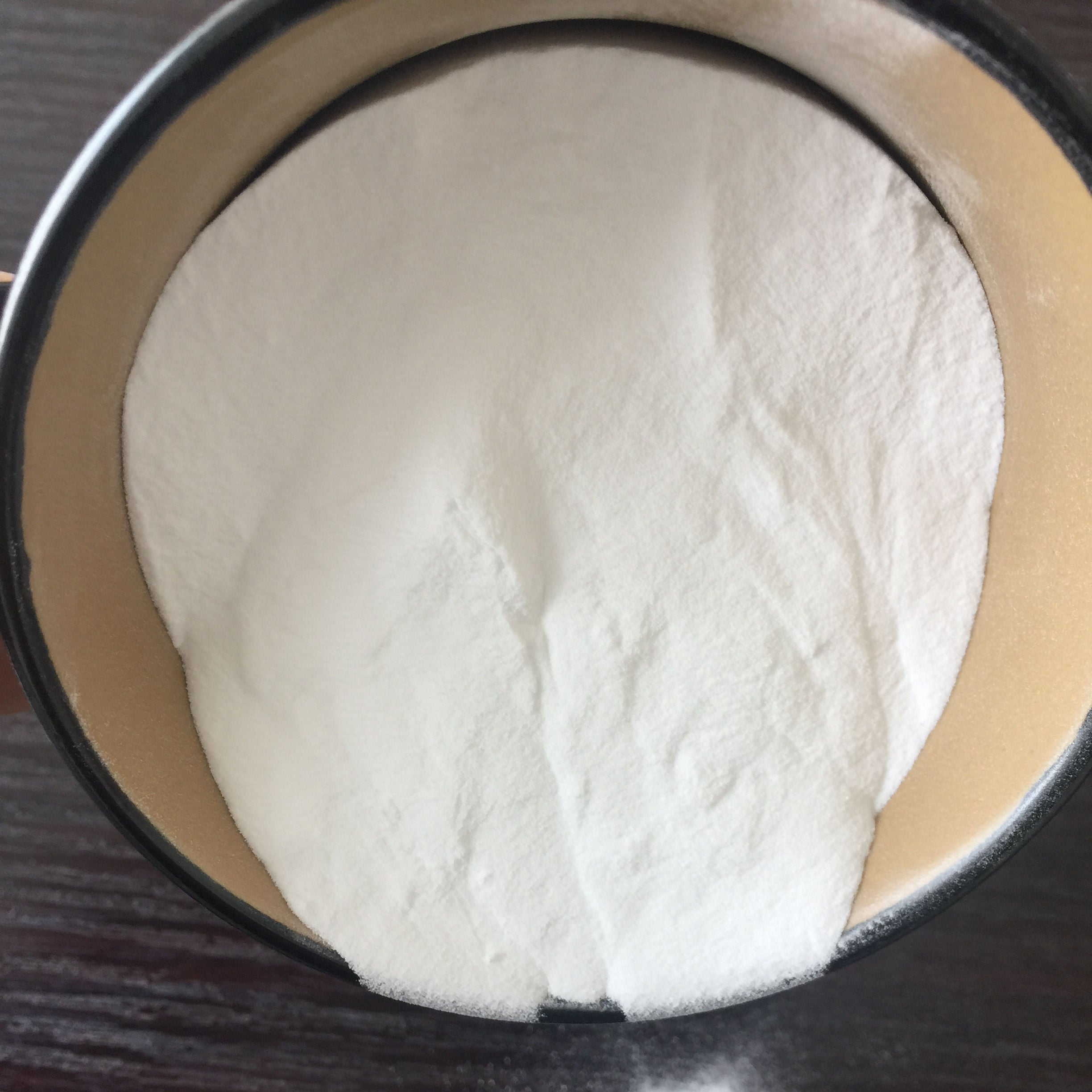
| Appearance | White fine powder |
| Assay (Hydroxyapatite content) | ≥ 98.0% |
| Calcium (Ca) | 39.0% – 39.9% |
| Phosphorus (P) | 18.0% – 18.5% |
| Ca/P Molar Ratio | 1.66 – 1.68 (Theoretical 1.67) |
| pH Value (10% suspension) | 7.0 – 9.0 |
| Loss on Drying | ≤ 1.0% |
| Ignition Loss (800°C) | ≤ 3.0% |
| Heavy Metals (Pb) | ≤ 10 ppm |
| Arsenic (As) | ≤ 3 ppm |
| Particle Size (D50) | Customizable (e.g., 5-10 µm or Nano-grade <100nm) |
| Whiteness | ≥ 96% |
Applications
- Oral Care Products (Toothpaste & Mouthwash):
- Desensitizing: Blocks exposed dentin tubules to stop sensitivity pain.
- Remineralization: Repairs microscopic surface lesions on enamel.
- Whitening: Acts as a gentle polishing agent and fills micro-cracks for a smoother surface.
- Nutritional Supplements:
- Used in calcium tablets and capsules for bone health (osteoporosis prevention). Better absorption compared to calcium carbonate.
- Medical Materials (Bone Repair):
- Used as a bone filler, coating for orthopedic implants, and scaffold material for tissue engineering due to its ability to bond directly to bone.
- Cosmetics:
- Used in skin care as a filler or soft-focus agent.
Storage Conditions
- Storage: Store in a cool, dry, and well-ventilated warehouse.
- Packaging: Keep the container tightly sealed. The powder can absorb moisture, which may cause clumping, though it is chemically stable.
- Environment: Keep away from toxic or strong-smelling substances to prevent contamination.
- Shelf Life: 24 months when stored properly.
Safety Precautions
- Handling: Hydroxyapatite is generally recognized as safe (GRAS). However, fine powder handling requires care. Do not breathe dust.
- PPE: Wear a dust mask (N95) and safety goggles during handling to prevent mechanical irritation of the respiratory tract or eyes.
- First Aid:
- Eye Contact: Flush eyes with water as a precaution.
- Inhalation: Move to fresh air.
- Toxicity: Non-toxic, non-inflammatory, and non-immunogenic.
FAQ - Technical & Supply Chain
-
Q:
What is the main difference between Nano-Hydroxyapatite and standard Hydroxyapatite?
A: Nano-Hydroxyapatite consists of particles typically smaller than 100 nanometers, which allows for significantly higher surface area and better penetration into microscopic dental tubules for effective sensitivity relief and enamel remineralization compared to the larger micron-sized particles. -
Q:
Is this material safe for use in oral care products?
A: Yes, Hydroxyapatite is considered highly safe and biocompatible as it is chemically identical to the mineral portion of human teeth and bone, making it a popular non-toxic alternative to fluoride in natural toothpaste formulations.
Documents and Product Support
For product review and sourcing evaluation, supporting documents can be coordinated according to the product type, inquiry stage, and order requirements.
- COA for batch-based quality reference
- TDS for key physical and chemical information
- SDS / MSDS for handling, storage, and safety reference
- Packing information for sample, trial, and bulk orders
- Technical communication based on application and specification requirements
Information to Confirm Before Quotation
Clear sourcing information helps reduce specification mismatch and allows a more accurate quotation before sample or bulk order discussion.
- Product name and CAS number
- Application or intended end use
- Required purity, grade, or specification
- Sample quantity, trial order, or bulk demand
- Preferred packing form or net weight
- Destination country or port
- Required documents or compliance expectations
Packaging, Storage, and Handling Notes
Packaging form, storage conditions, shelf life, and shipment arrangements should be confirmed according to the product characteristics, package size, and destination requirements.
Before order confirmation, buyers are advised to review the corresponding product documents and confirm whether any special storage, labeling, or handling requirements apply.
Sample, Bulk Order and Repeat Supply Support
Support can be arranged for sample discussion, bulk supply planning, packaging confirmation, and routine sourcing communication based on the actual product and order requirements.
For repeat-use formulations or long-term procurement plans, buyers may discuss specification consistency, packaging preferences, delivery expectations, and document coordination in advance.


