










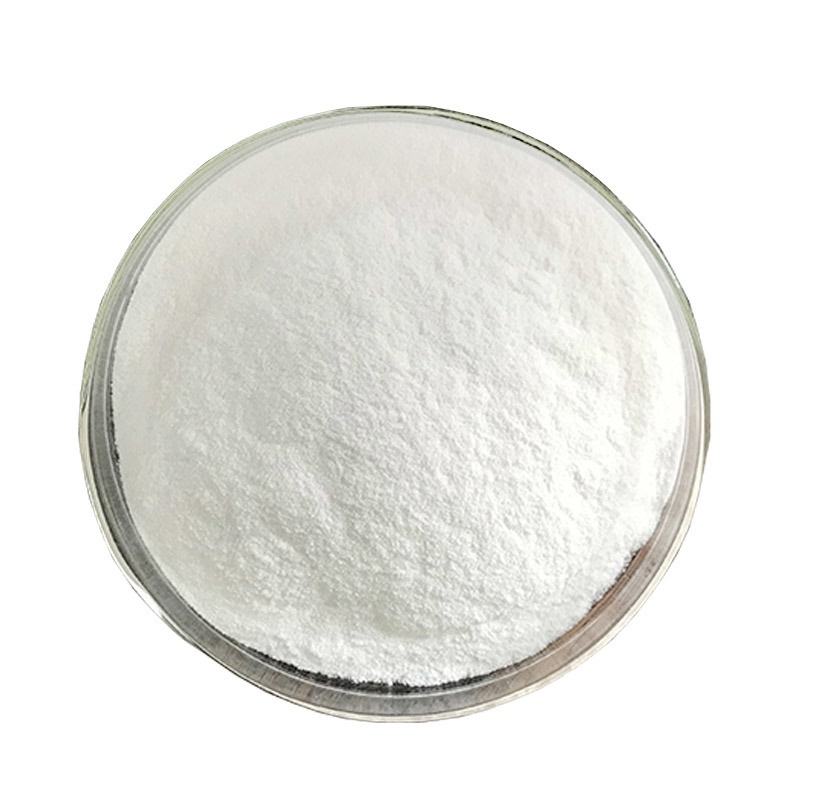
Inositol (CAS 87-89-8), specifically the myo-isomer, is a carbocyclic sugar naturally abundant in biological systems, functioning as a vital component of cell membranes and a secondary messenger in insulin signaling. Chemically identified as cis-1,2,3,5-trans-4,6-Cyclohexanehexol, this sweet-tasting white crystalline powder acts to support lipid metabolism and regulate cellular response to hormones. Historically classified as Vitamin B8, it is extensively integrated into infant formula (to support growth), functional beverages (often paired with Taurine), and aquaculture feed (to promote growth in fish and shrimp). In the pharmaceutical sector, it is a key ingredient in supplements for Polycystic Ovary Syndrome (PCOS) management due to its insulin-sensitizing effects. We ensure bulk supply capabilities for this material, providing access to competitive factory pricing and customized specifications to meet specific mesh sizes and purity standards (e.g., NF/FCC/Feed Grade). Full technical documentation, including MSDS, TDS, COA, is available to support compliance and safety protocols.
Inositol CAS 87-89-8
- CAS: 87-89-8
- Synonyms: Vitamin B8, Hexahydroxycyclohexane, Cyclohexanehexol, 1,2,3,4,5,6-Cyclohexanehexol
- Einecs: 201-781-2
- Molecular Formula: C6H12O6
- Grade: Food Grade (FCC) / Pharma Grade (NF/USP) / Feed Grade
- Package: 25kg/Cardboard Drum or Carton box with double PE inner liners.
Product Description
Inositol, specifically the Myo-Inositol isomer, is a carbocyclic sugar that is abundant in the brain and other mammalian tissues. It is a slightly sweet white powder (about half the sweetness of sucrose) and is water-soluble.
Why is it popular?
- Energy Metabolism: It aids in the breakdown of fats and reduces blood cholesterol, making it a staple in “Energy Drinks” alongside Taurine and Caffeine.
- Women’s Health: It is extensively used in supplements to support hormonal balance, particularly for Polycystic Ovary Syndrome (PCOS) management and insulin sensitivity.
- Cell Growth: It acts as a growth factor for cells, which is why it is added to infant formula and high-quality animal feed (aquaculture).
Physicochemical Properties
Based on standard NF12 / FCCV specifications widely used by Chinese manufacturers.
| Parameter | Specification (Standard) |
|---|---|
| Appearance | White crystalline powder, odorless |
| Identification | Positive reaction |
| Assay (on dry basis) | 97.0% – 101.0% |
| Melting Point | 224°C – 227°C |
| Loss on Drying | ≤ 0.5% |
| Residue on Ignition | ≤ 0.1% |
| Heavy Metals (Pb) | ≤ 10 ppm |
| Chloride (Cl) | ≤ 0.005% |
| Sulfate (SO4) | ≤ 0.006% |
| Solubility | Soluble in water; Insoluble in ethanol and ether |
| Taste | Sweet taste |
Applications
- Functional Beverages:
- A core ingredient in energy drinks and sports nutrition powders to promote alertness and fat metabolism.
- Pharmaceuticals & Supplements:
- PCOS Support: Helps regulate insulin and hormone levels.
- Mood Support: Used in formulations for anxiety and sleep support.
- Liver Health: Prevents accumulation of fat in the liver (lipotropic agent).
- Infant Nutrition:
- Added to infant formula and baby food to support healthy growth and cell development.
- Animal Feed (Aquaculture):
- Essential growth promoter for fish and shrimp; prevents fatty liver in livestock.
- Cosmetics:
- Used in moisturizers and cell-regulating creams.
Storage Conditions
- Environment: Store in a cool, dry area away from direct sunlight.
- Humidity: The product is stable but should be kept away from excessive moisture.
- Packaging: Keep containers tightly closed when not in use.
- Shelf Life: 36 months (3 years) in original unopened packaging.
Safety Precautions
- Handling: Inositol is generally considered safe (GRAS) and non-toxic. However, standard industrial hygiene practices should be followed.
- Dust: Avoid breathing dust. Use in a well-ventilated area.
- PPE: Wear safety glasses and gloves during bulk handling to prevent mechanical irritation.
- First Aid:
- Eye Contact: Rinse with water.
- Ingestion: Safe in dietary amounts; drink water if large quantities are swallowed accidentally.
FAQ - Technical & Supply Chain
-
Q:
What is the relationship between Inositol CAS 87-89-8 and Myo-Inositol?
A: "Inositol" is a general term for a group of nine stereoisomers, but in commercial trade and biological contexts, CAS 87-89-8 refers specifically to Myo-Inositol, which is the most stable and biologically active form (accounting for >99% of the market). -
Q:
Is this ingredient suitable for use in aquatic feed?
A: Yes, Inositol is a critical growth factor for aquatic species (especially carp and shrimp); deficiency in feed can lead to slow growth and skin lesions, making it a standard additive in high-quality aqua-feed formulations.
Documents and Product Support
For product review and sourcing evaluation, supporting documents can be coordinated according to the product type, inquiry stage, and order requirements.
- COA for batch-based quality reference
- TDS for key physical and chemical information
- SDS / MSDS for handling, storage, and safety reference
- Packing information for sample, trial, and bulk orders
- Technical communication based on application and specification requirements
Information to Confirm Before Quotation
Clear sourcing information helps reduce specification mismatch and allows a more accurate quotation before sample or bulk order discussion.
- Product name and CAS number
- Application or intended end use
- Required purity, grade, or specification
- Sample quantity, trial order, or bulk demand
- Preferred packing form or net weight
- Destination country or port
- Required documents or compliance expectations
Packaging, Storage, and Handling Notes
Packaging form, storage conditions, shelf life, and shipment arrangements should be confirmed according to the product characteristics, package size, and destination requirements.
Before order confirmation, buyers are advised to review the corresponding product documents and confirm whether any special storage, labeling, or handling requirements apply.
Sample, Bulk Order and Repeat Supply Support
Support can be arranged for sample discussion, bulk supply planning, packaging confirmation, and routine sourcing communication based on the actual product and order requirements.
For repeat-use formulations or long-term procurement plans, buyers may discuss specification consistency, packaging preferences, delivery expectations, and document coordination in advance.


