









Chemical products
  • Gamma Aminobutyric Acid Powder CAS 56-12-2

Gamma Aminobutyric Acid Powder CAS 56-12-2

Gamma Aminobutyric Acid Powder, identified by CAS 56-12-2, is a high-purity four-carbon non-protein amino acid characterized by its role as a fundamental signaling molecule in biological systems. As a specialized gamma aminobutyric acid, this technical-grade 4-aminobutyric acid functions as a primary building block in various pharmaceutical intermediate synthesis processes. This crystalline piperidinic acid is valued for its precise molecular structure and high solubility, facilitating the production of advanced neurological derivatives and specialized biochemical reagents in controlled industrial environments. Our facility provides competitive factory pricing and customized specifications regarding particle mesh size and assay purity to ensure seamless integration into sophisticated formulation workflows. For technical validation and regulatory compliance, we offer comprehensive MSDS, TDS, COA documentation and maintain consistent bulk supply for professional laboratory and industrial-scale manufacturing.

  • CAS: 56-12-2
  • Synonyms: 4-Aminobutyric acid, GABA, Piperidinic acid, gamma-Aminobutanoic acid
  • Einecs: 200-258-6
  • Molecular Formula: C4H9NO2
  • Grade: Food Grade / Dietary Supplement Grade
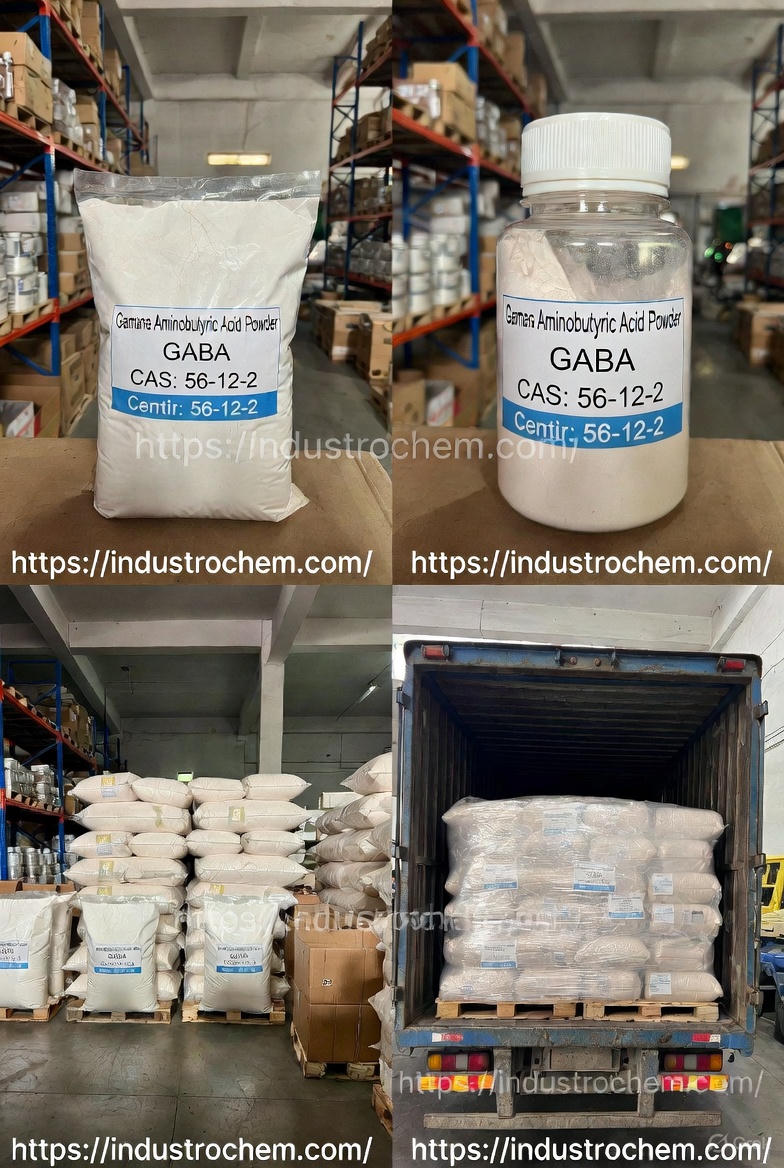
  • Package: 25kg/Fiber Drum or 25kg/Carton box.
Request a quote
Share:

Product Description

GABA functions as a “brake” for the brain. It blocks specific signals in the central nervous system, slowing down the brain’s activity. This mechanism is crucial for regulating muscle tone and reducing excitability.

Why choose our Fermented GABA?

  1. High Purity: Our assay is consistently above 99%, with low impurity profiles, making it suitable for premium health brands.
  2. Water Solubility: It dissolves easily in water, creating a clear, colorless solution. This is perfect for functional water, energy drinks, or gummies where clarity and texture matter.
  3. Certifications: Our manufacturing partners typically hold ISO, Kosher, and Halal certifications to meet global export standards.
  4. Stability: It remains stable under normal processing temperatures and pH levels found in food production.

Physicochemical Properties

The following data is based on a typical Certificate of Analysis (COA) for our Export Grade GABA.

ParameterSpecification (Standard)
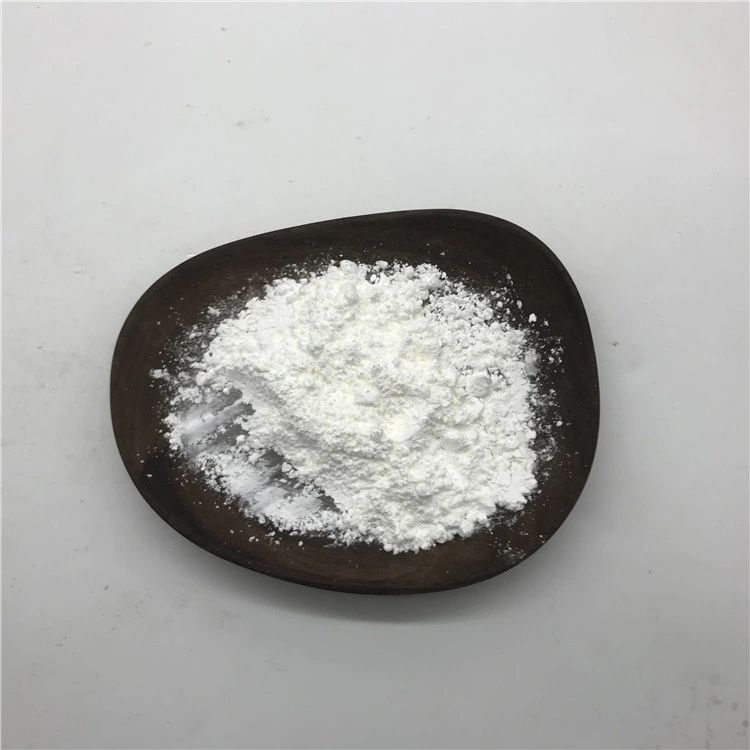
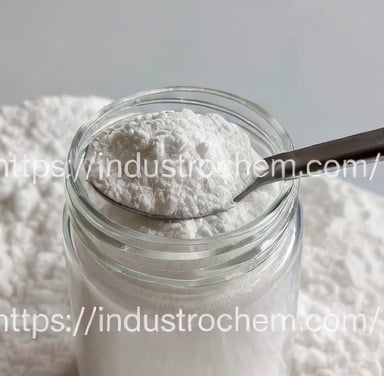
AppearanceWhite crystals or crystalline powder
OdorWeak, characteristic odor
Assay (Titration)99.0% – 101.0%
pH (5% Solution)6.5 – 7.5
Loss on Drying≤ 0.5%
Residue on Ignition≤ 0.1%
Melting Point197°C – 204°C (Decomposes)
Transmittance (Solution)≥ 98.0%
Chloride (Cl)≤ 40 ppm
Sulfate (SO4)≤ 50 ppm
Heavy Metals (Pb)≤ 10 ppm
Arsenic (As)≤ 1 ppm
Microbiology (Total Count)≤ 1000 cfu/g

Applications

  1. Dietary Supplements (Capsules/Tablets):
    • Marketed for sleep improvement, anxiety relief, and relaxation. Often blended with Melatonin, L-Theanine, or Magnesium.
  2. Functional Foods & Beverages:
    • GABA Tea/Coffee: Added to beverages to counteract the jitters from caffeine or to promote focus without stress.
    • Confectionery: Used in “Stress-Relief” chocolates and gummies (very popular in Asian markets).
  3. Sports Nutrition:
    • Used to stimulate the production of Human Growth Hormone (HGH) and aid in muscle recovery.
  4. Animal Feed:
    • Used as a feed additive to reduce stress in livestock caused by heat or transportation.

Storage Conditions

  • Hygroscopic Nature: GABA is slightly hygroscopic (absorbs moisture). It is critical to keep the inner liner bag tightly sealed after use.
  • Environment: Store in a cool, dry warehouse.
  • Temperature: Room temperature is acceptable, but avoid excessive heat.
  • Shelf Life: 24 months in original packaging.

Safety Precautions

  • Classification: Not classified as a Dangerous Good (Non-DG) for road, sea, or air transport.
  • Handling: Wear standard PPE (dust mask, gloves, goggles). The powder can cause mild mechanical irritation to eyes or respiratory tract if inhaled in large quantities.
  • Ingestion: Safe for consumption in regulated doses. LD50 (Oral, rat) is > 12,680 mg/kg, indicating very low toxicity.
  • Fire: As with organic powders, high concentrations of dust in the air can present a dust explosion hazard. Ensure good ventilation.

FAQ - Technical & Supply Chain

  • Q:

    What is Gamma Aminobutyric Acid Powder CAS 56-12-2?

    A: Gamma Aminobutyric Acid, commonly called GABA, is 4-aminobutanoic acid with the molecular formula C4H9NO2 and molecular weight about 103.12 g/mol. It is identified by CAS 56-12-2 and EINECS 200-258-6, and is supplied as a white crystalline powder with high water solubility.
  • Q:

    What is the difference between fermented and synthetic GABA?

    A: Fermented GABA is produced by microbial fermentation or enzymatic decarboxylation of L-glutamic acid and is commonly preferred for food and dietary-supplement applications. Synthetic GABA can involve organic solvents or catalysts and may not be acceptable for food use in some regions, so buyers with a natural or fermented claim should confirm the production method.
  • Q:

    Where is food-grade GABA powder typically used?

    A: GABA powder is used in functional foods, clear beverages, gummies, powders, capsules, tablets and sports-nutrition blends. Its high water solubility, mild taste and compatibility with common processing conditions make it suitable for both liquid and dry formats.
  • Q:

    Which specifications should be checked for food or supplement-grade GABA?

    A: For food or dietary-supplement grade GABA, useful checks include white crystalline appearance, assay of at least 99%, pH of a 5% solution around 6.5-7.5, loss on drying, residue on ignition, melting point around 197-204 C with decomposition, heavy metals and microbial limits. The required profile should match the final product format and destination regulations.
  • Q:

    How should GABA powder be stored and handled?

    A: GABA is hygroscopic, so it should be stored in a cool, dry, ventilated area away from light, heat, oxygen and moisture. Keep containers tightly closed after use and protect the powder from humid conditions; the current offer is packed in 25 kg fiber drums or 25 kg carton boxes depending on the order.

Ordering & Documentation

Key information for document requests, quotations, and supply planning.

Documents

COA, TDS, SDS/MSDS and packing details are available on request.

Quotation

Send the CAS number, grade, quantity, packing preference and destination.

Sample & Supply

Support is available for samples, trial orders, bulk and repeat supply.

Storage & Shipping

Product-specific conditions are confirmed before order.

Contact Form

Use our contact form to send us your questions, suggestions or comments. We will respond as soon as possible.