










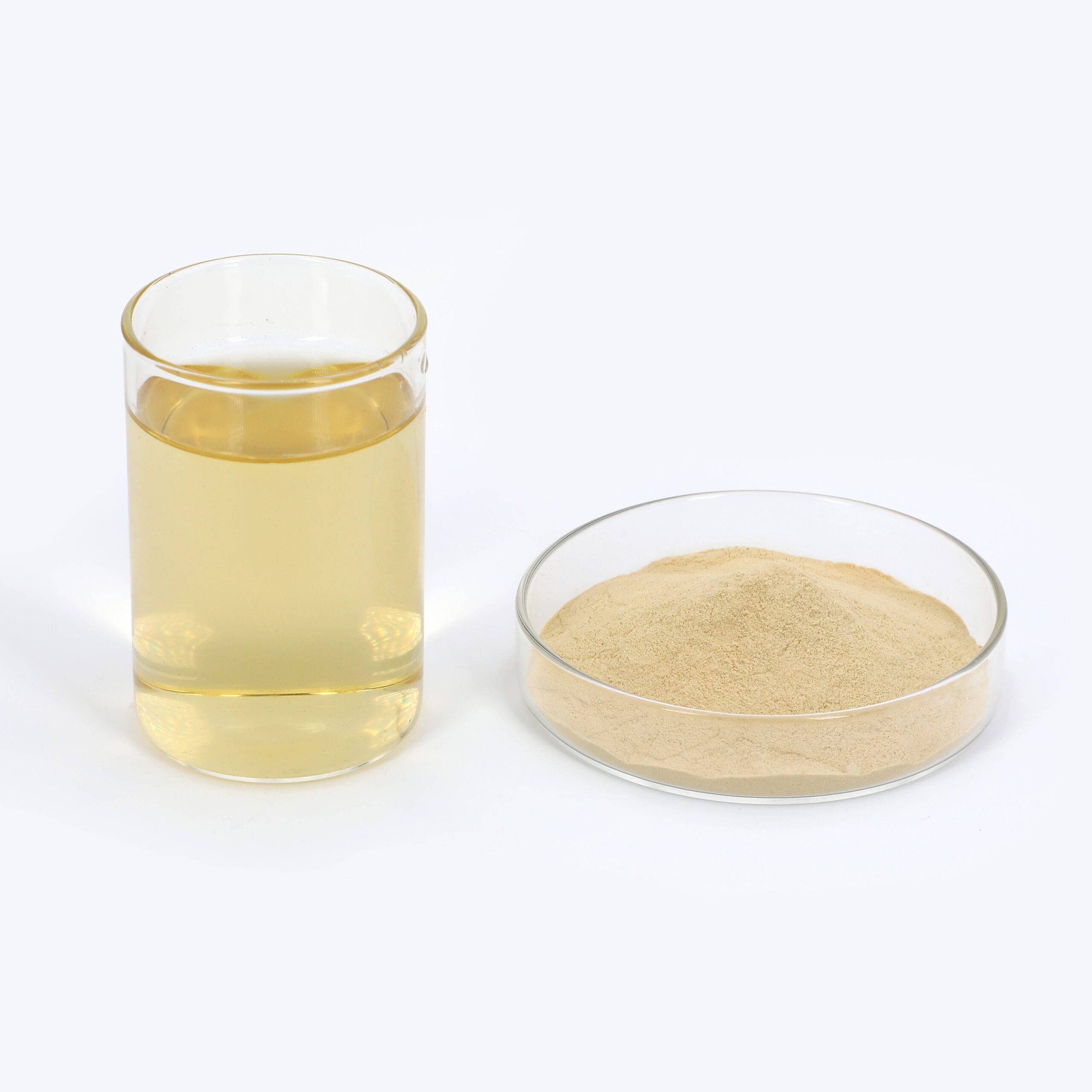
Casein Hydrolysate (CAS 65072-01-7), chemically identified as hydrolyzed casein proteins, is a complex mixture of peptides and free amino acids functioning as a comprehensive nitrogen source in microbiological culture media and nutritional supplements. This spray-dried powder, widely technically recognized as Casein Peptone or Tryptone, is produced via the enzymatic or acid hydrolysis of milk casein, resulting in a rich profile of essential amino acids and trace elements. We provide bulk supply of this food and pharmaceutical grade ingredient with competitive factory pricing to support fermentation and nutraceutical industries. Our processing ensures high solubility and clarity, making MSDS, TDS, COA available alongside customized specifications to meet specific degree of hydrolysis (DH) or total nitrogen requirements.
Casein Hydrolysate (Amino Acid Powder) CAS 65072-01-7
- CAS: 65072-01-7
- Synonyms: Casein Peptone, Tryptone, Hydrolyzed Casein, Milk protein hydrolysate, Amino acid powder (Casein source)
- Molecular Formula: 265-364-0
- Grade: Agricultural Grade
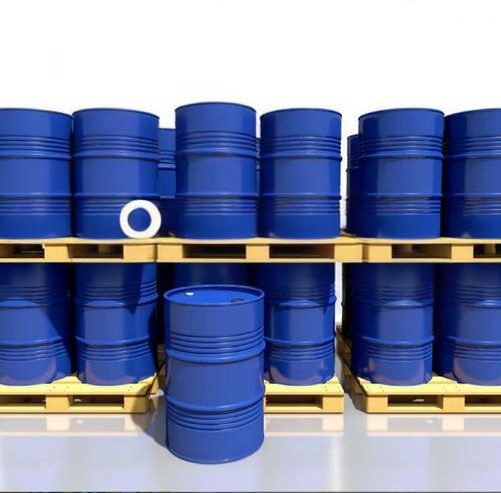
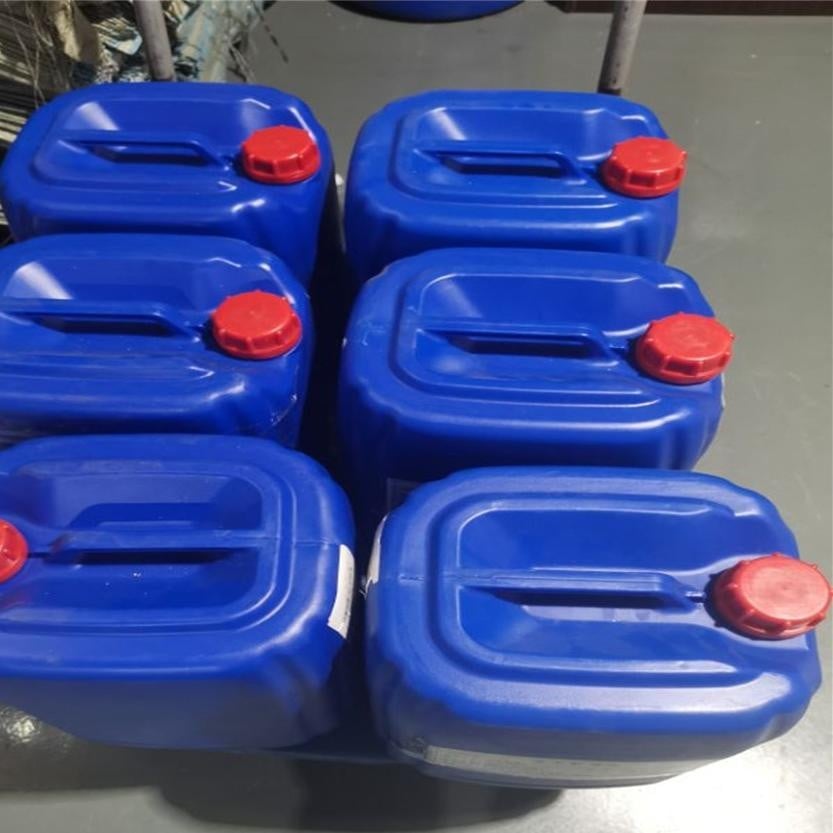
- Package: 20–25 kg kraft paper bag with inner PE liner, jumbo bags on request
Product Description
Amino Acid (CAS 65072-01-7) is a concentrated mixture of free and bound amino acids obtained by controlled hydrolysis of plant proteins (such as corn or other cereal gluten). It provides a highly bioavailable organic nitrogen source and chelating capacity, making it ideal for use in fertilizers, feed premixes and certain industrial formulations.
📧 Email: info@industrochem.com — Contact our team for the latest factory price, COA, MSDS and customized specifications.
Physicochemical Properties
| Item | Typical Data* |
|---|---|
| CAS No. | 65072-01-7 |
| Chemical Name | Amino acids (hydrolyzed plant protein) |
| Molecular Formula | RCH(NH₂)COOH (mixture) |
| Appearance | Light yellow to brown free-flowing powder |
| Odor | Slight characteristic, protein-like |
| Total amino acids | ≥ 80.0% (w/w) |
| Free amino acids | 70–75% (w/w), depending on specification |
| Total nitrogen | ≥ 15–16% (w/w) |
| Moisture | ≤ 5.0% |
| pH (5% aqueous solution, 25 °C) | 4.0 – 6.0 (slightly acidic) |
| Solubility | Completely soluble in water |
| Bulk density | Approx. 0.45 – 0.65 g/mL |
| Color index | Light yellow to brown, uniform |
| Heavy metals | In line with typical fertilizer / feed limits (on request) |
| Standard package | 20–25 kg kraft bags, or jumbo bags |
| Shelf life | 24 months in original unopened packaging |
Applications
1. Agriculture & Fertilizers
- Used as a base material for liquid and powder organic fertilizers, NPK blends and water-soluble fertilizers.
- Acts as a chelator and carrier for micronutrients (Fe, Zn, Mn, Cu, B, Ca, Mg), helping to keep metal ions in plant-available form and improve foliar absorption.
- Supports root development, stress resistance and nutrient uptake when used via foliar spray, drip irrigation or seed treatment.
Typical use directions (for reference, to be optimized according to crop and local practice):
- Foliar spray: 1.0–2.0 kg/ha per application when used alone; lower dosage when formulated with other nutrients.
- Fertigation / drip irrigation: 3.0–10.0 kg/ha per application depending on crop stage and soil fertility.
2. Feed & Fermentation
- Serves as an organic nitrogen and peptide source in fermentation broths, feed premixes and nutritional supplements for animals, where allowed by local regulations.
- Can improve palatability and support growth when used along with other protein and energy sources.
3. Industrial & Other Uses
- Used as a component in biobased formulations (e.g. certain cosmetics, humectant systems, fermentation nutrients) where amino acids are required for functionality or performance.
- Provides biodegradable, low-toxicity organic content compared with purely synthetic auxiliaries.
For detailed application guidance on specific crops or formulations, please contact: 📧 info@industrochem.com
Storage Conditions
To maintain quality and stability:
- Store in a cool, dry and well-ventilated warehouse.
- Keep bags tightly closed, protected from moisture uptake and direct sunlight.
- Avoid contact with strong oxidizing agents or strong acids/alkalis.
- Recommended storage temperature: 0–40 °C, away from heat sources.
- Use opened bags as soon as possible; reseal partially used bags carefully to prevent caking.
When stored under recommended conditions in original packaging, the product typically remains within specification for 24 months from production date.
Safety Precautions
Amino Acid CAS 65072-01-7 is generally considered of low acute toxicity and is not classified as a hazardous chemical under typical GHS criteria, but standard industrial hygiene practices should be followed.
Personal protection
- Avoid generating excessive dust; use local exhaust or general ventilation where necessary.
- Wear suitable dust mask/respirator, safety glasses and gloves during handling.
- Avoid prolonged skin or eye contact; avoid inhalation of dust.
First-aid measures
- Inhalation: Move to fresh air. Rinse mouth and nose; seek medical advice if irritation persists.
- Skin contact: Wash with soap and water. Remove contaminated clothing.
- Eye contact: Rinse cautiously with clean water for several minutes; seek medical attention if irritation continues.
- Ingestion: Rinse mouth with water. Give water to drink; seek medical advice if large quantities have been swallowed.
Spillage & disposal
- Sweep up or vacuum spilled material, avoiding dust formation.
- Collect into suitable containers for reuse or disposal according to local regulations for organic, non-hazardous waste.
FAQ - Technical & Supply Chain
-
Q:
What specific solubility characteristics does this hydrolyzed grade exhibit in fermentation broths?
A: This enzymatic digest yields a fully water-soluble solution that remains clear even after autoclaving, ensuring that the turbidity of the final culture medium is solely attributable to microbial growth rather than precipitate formation from the ingredient itself. -
Q:
Does the extensive hydrolysis process eliminate the allergenic potential of the parent milk protein?
A: While hydrolysis significantly reduces the molecular weight of the proteins into smaller peptides, it does not guarantee the complete removal of allergenic epitopes; therefore, products containing CAS 65072-01-7 must still typically declare milk allergens in accordance with food safety regulations.
Documents and Product Support
For product review and sourcing evaluation, supporting documents can be coordinated according to the product type, inquiry stage, and order requirements.
- COA for batch-based quality reference
- TDS for key physical and chemical information
- SDS / MSDS for handling, storage, and safety reference
- Packing information for sample, trial, and bulk orders
- Technical communication based on application and specification requirements
Information to Confirm Before Quotation
Clear sourcing information helps reduce specification mismatch and allows a more accurate quotation before sample or bulk order discussion.
- Product name and CAS number
- Application or intended end use
- Required purity, grade, or specification
- Sample quantity, trial order, or bulk demand
- Preferred packing form or net weight
- Destination country or port
- Required documents or compliance expectations
Packaging, Storage, and Handling Notes
Packaging form, storage conditions, shelf life, and shipment arrangements should be confirmed according to the product characteristics, package size, and destination requirements.
Before order confirmation, buyers are advised to review the corresponding product documents and confirm whether any special storage, labeling, or handling requirements apply.
Sample, Bulk Order and Repeat Supply Support
Support can be arranged for sample discussion, bulk supply planning, packaging confirmation, and routine sourcing communication based on the actual product and order requirements.
For repeat-use formulations or long-term procurement plans, buyers may discuss specification consistency, packaging preferences, delivery expectations, and document coordination in advance.


