









• Nicotinamide (Vitamin B3) CAS 98-92-0
  • Nicotinamide (Vitamin B3) CAS 98-92-0
  • Nicotinamide (Vitamin B3) CAS 98-92-0

Nicotinamide (Vitamin B3) CAS 98-92-0

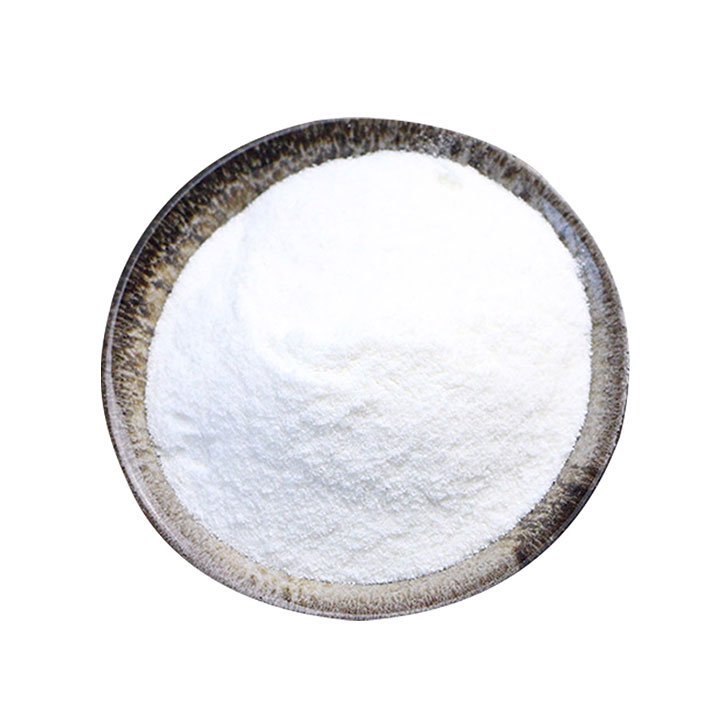
Nicotinamide (CAS 98-92-0), chemically identified as pyridine-3-carboxamide, is the biologically active amide form of Vitamin B3 functioning as a versatile skin conditioning agent and essential nutrient in cosmetic skin care formulation and animal nutrition. This white crystalline powder, widely technically recognized as Niacinamide or Vitamin PP, serves as a potent cell-communicating ingredient to improve skin barrier function and reduce hyperpigmentation without the vasodilation (flushing) side effect associated with Nicotinic Acid. We provide bulk supply of this USP/Cosmetic grade ingredient with competitive factory pricing to empower personal care brands and feed millers. Our production ensures low nicotinic acid residue, making MSDS, TDS, COA available alongside customized specifications to meet high-purity whitening or feed premix standards.

  • CAS: 98-92-0
  • Synonyms: Niacinamide, Vitamin PP, Pyridine-3-carboxamide, 3-Pyridinecarboxamide, Nicotinic acid amide
  • Einecs: 200-441-0
  • Molecular Formula: C6H6N2O
  • Grade: Comestic Grade
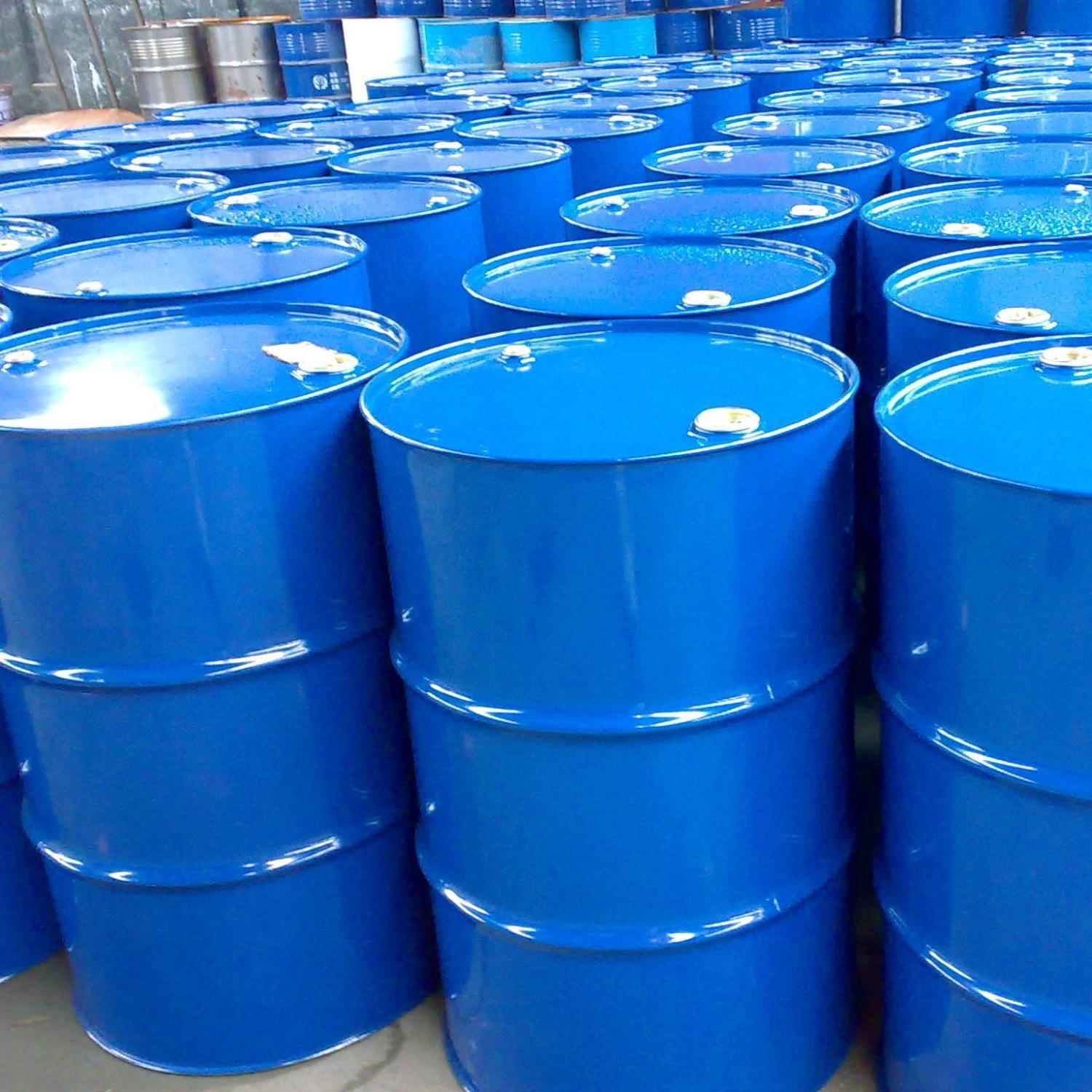
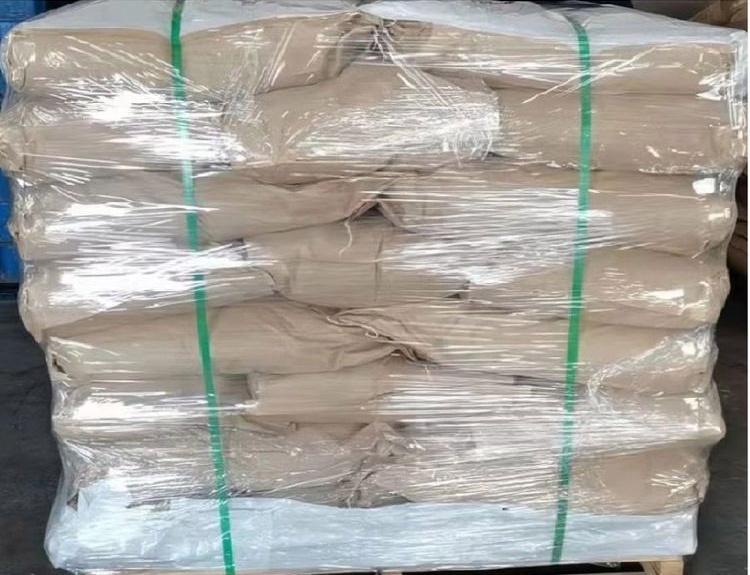
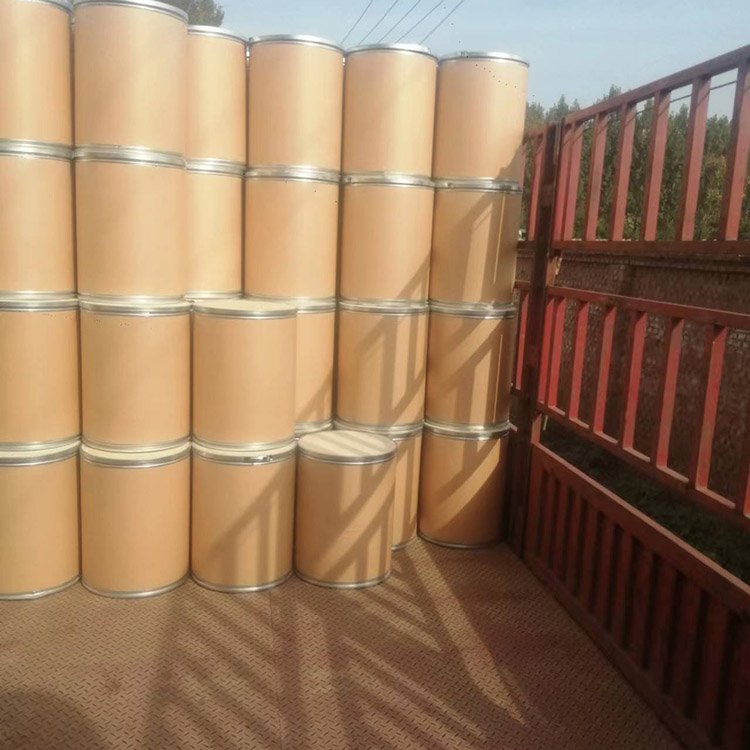
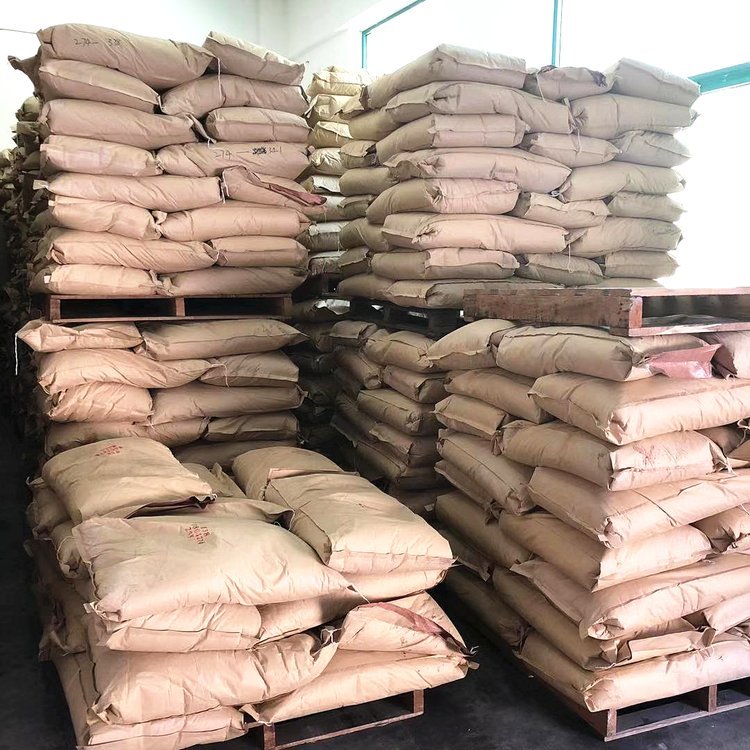
  • Package: 25 kg fiber drum / carton with inner PE bags or as customer’s request
Request a quote
Share:

Product Description

Vitamin B3 (Niacinamide) is a water-soluble vitamin widely used in food, feed, pharmaceuticals and personal care. It plays an essential role in energy metabolism and skin barrier repair. Our Vitamin B3 is produced under strict quality management systems, offering stable quality, low impurities and excellent flowability to meet the requirements of tablet pressing, capsule filling, premix blending and cosmetic formulations.

Physicochemical Properties

ItemSpecification / Description
Chemical NameNiacinamide (Nicotinamide)
CAS98-92-0
Einecs202-713-4
Molecular FormulaC₆H₆N₂O
Molecular Weight122.12 g/mol
AppearanceWhite or almost white crystalline powder
Assay (HPLC)≥ 99.0%
Melting Point128 – 131 °C
OdorPractically odorless
Solubility in WaterFreely soluble
Solubility in EthanolSoluble
pH (5% aqueous solution)6.0 – 7.5
Loss on Drying≤ 0.5%
Residue on Ignition≤ 0.1%
Heavy Metals (as Pb)≤ 10 ppm
Appearance of SolutionClear, colorless to slightly yellow
Bulk DensityApprox. 0.4 – 0.7 g/mL
GradeFood / Pharma / Cosmetic Grade
Standard Package25 kg fiber drum / carton with inner PE liner
Shelf Life24 months in original unopened package

(Typical factory specifications; can be adjusted according to customer’s specific requirement.)


Applications

  1. Food & Beverage Industry
    • Used as a nutritional fortifier in flour, cereals, dairy products, beverages and health foods.
    • Helps maintain normal metabolism of carbohydrates, fats and proteins.
  2. Feed Industry
    • Applied in premixes and complete feeds for poultry, swine, ruminants and aquaculture.
    • Supports growth performance, feed conversion and animal health.
  3. Pharmaceuticals & Nutraceuticals
    • Used in tablets, capsules and oral liquid formulations as Vitamin B complex component.
    • Suitable for OTC and dietary supplement products targeting energy, nerve and skin health.
  4. Cosmetics & Personal Care
    • Widely used in skin-care formulations such as creams, lotions, serums and masks.
    • Helps improve skin barrier function, even skin tone and reduce the appearance of fine lines.
    • Compatible with most emulsions and water-based systems.
  5. Other Uses
    • Intermediate in certain chemical and biochemical syntheses.
    • Used in functional formulations requiring stable, water-soluble vitamin additives.

Storage Conditions

  • Store in a cool, dry and well-ventilated warehouse.
  • Keep away from heat sources, moisture and direct sunlight.
  • Keep the package tightly closed after opening to avoid caking and contamination.
  • Recommended storage temperature: below 25 °C and relative humidity < 65%.
  • Use on a first-in, first-out (FIFO) basis and avoid long-term open storage.

Safety Precautions

  • Vitamin B3 (Niacinamide) is generally considered safe in normal industrial use and approved limits, but:
    • Avoid creating dust clouds; use local exhaust ventilation where necessary.
    • Operators should wear appropriate PPE: dust mask, safety glasses and gloves.
  • Inhalation: Move to fresh air, rinse mouth with water if necessary. Seek medical advice if discomfort persists.
  • Skin Contact: Wash with soap and water. Remove contaminated clothing.
  • Eye Contact: Rinse immediately with plenty of water for several minutes. Seek medical attention if irritation continues.
  • Ingestion: Rinse mouth with water. Do not induce vomiting. Get medical attention if large quantities are swallowed.
  • Follow local regulations for waste disposal and spill clean-up (collect spilled material, avoid discharge into drains).

FAQ - Technical & Supply Chain

  • Q:

    How is Nicotinamide (CAS 98-92-0) chemically distinguished from Niacin (Nicotinic Acid)?

    A: Chemically, Nicotinamide involves the replacement of the hydroxyl group of Niacin with an amide group ; this structural modification prevents the skin flushing and irritation commonly caused by the acidic nature of Niacin, making Nicotinamide the preferred form for cosmetic and pharmaceutical applications.
  • Q:

    Is this ingredient compatible with acidic formulations containing Vitamin C?

    A: While Nicotinamide is generally stable, it is intended to be formulated within a pH range of 5.0 to 7.0; under highly acidic conditions (low pH) or high heat, it may hydrolyze back into Nicotinic Acid, which can cause skin irritation, so careful pH buffering is recommended when combining with acids.
Documents

Documents and Product Support

For product review and sourcing evaluation, supporting documents can be coordinated according to the product type, inquiry stage, and order requirements.

  • COA for batch-based quality reference
  • TDS for key physical and chemical information
  • SDS / MSDS for handling, storage, and safety reference
  • Packing information for sample, trial, and bulk orders
  • Technical communication based on application and specification requirements
Quotation

Information to Confirm Before Quotation

Clear sourcing information helps reduce specification mismatch and allows a more accurate quotation before sample or bulk order discussion.

  • Product name and CAS number
  • Application or intended end use
  • Required purity, grade, or specification
  • Sample quantity, trial order, or bulk demand
  • Preferred packing form or net weight
  • Destination country or port
  • Required documents or compliance expectations
Storage & Handling

Packaging, Storage, and Handling Notes

Packaging form, storage conditions, shelf life, and shipment arrangements should be confirmed according to the product characteristics, package size, and destination requirements.

Before order confirmation, buyers are advised to review the corresponding product documents and confirm whether any special storage, labeling, or handling requirements apply.

Supply Support

Sample, Bulk Order and Repeat Supply Support

Support can be arranged for sample discussion, bulk supply planning, packaging confirmation, and routine sourcing communication based on the actual product and order requirements.

For repeat-use formulations or long-term procurement plans, buyers may discuss specification consistency, packaging preferences, delivery expectations, and document coordination in advance.

Contact Form

Use our contact form to send us your questions, suggestions or comments. We will respond as soon as possible.