









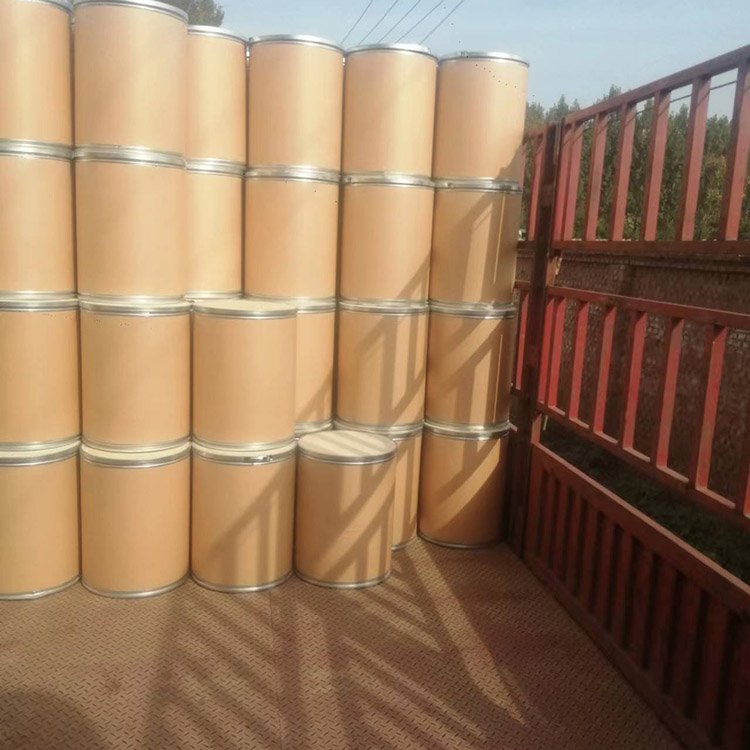
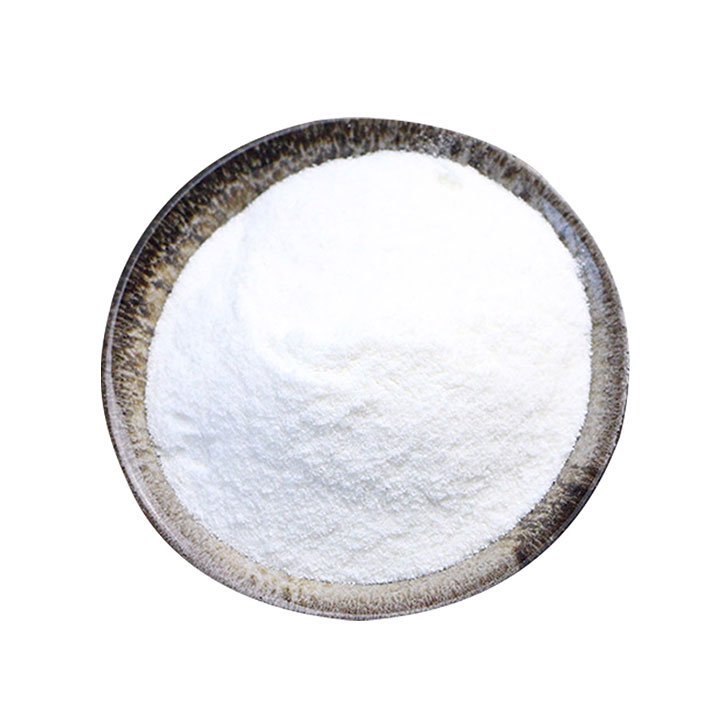
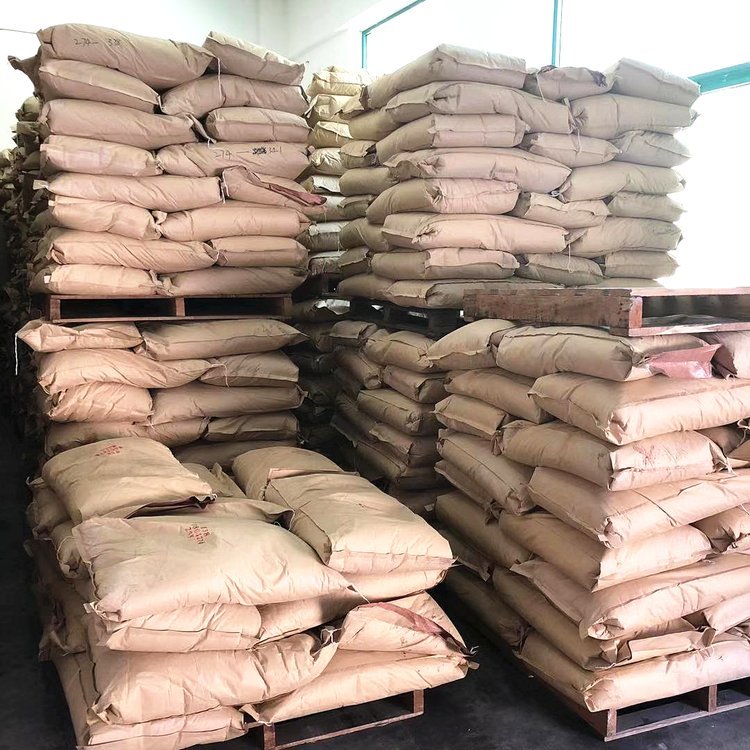
Niacinamide (Nicotinamide) CAS 98-92-0, also known as Vitamin B3 or Niacin Amide, is a white crystalline water-soluble vitamin raw material supplied for cosmetic, food fortification, pharmaceutical, nutritional, and feed-related formulations. It is available in food grade, BP, and USP grades, with identity, assay, heavy metals, moisture, melting point, and microbial indicators selected according to the target application. Standard packaging is 25 kg/drum or as required; COA, TDS, and SDS can be provided according to grade and order requirements.
Niacinamide CAS 98-92-0
- CAS: 98-92-0
- Synonyms: Niacinamide, Nicotinamide, Vitamin B3, Niacin Amide
- Einecs: 202-713-4
- Molecular Formula: C₆H₆N₂O
- Grade: food grade/BP/USP
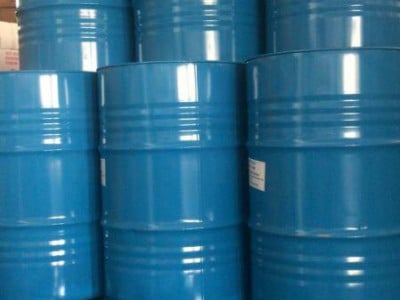
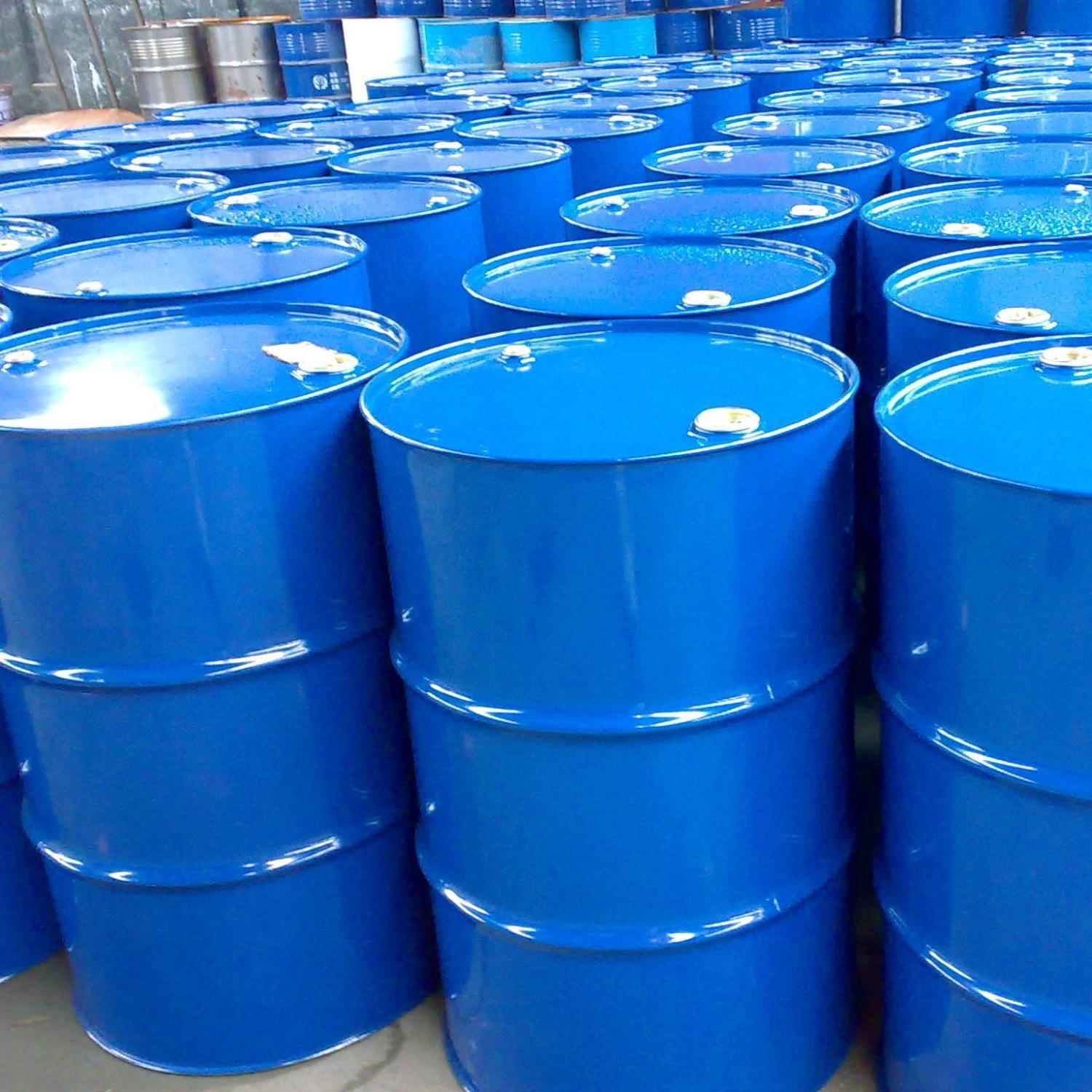
- Package: 25kg/drum or as required
Product Description
Product Overview
Nicotinamide is provided for industrial use as a vitamin B3 raw material. It is more appropriately positioned as a formulation ingredient and nutritional or pharmaceutical raw material rather than as a finished consumer product.
This product is commonly applied in cosmetic systems, food fortification, pharmaceutical processing, and feed applications. Product selection is generally based on identity consistency, grade standard, purity profile, and compatibility with the intended formulation or industrial use.
Product Information / Specifications
| Product Name | Nicotinamide |
| Common Name | Niacinamide |
| Synonyms | Vitamin B3; Niacin Amide |
| CAS Number | 98-92-0 |
| EINECS Number | 202-713-4 |
| Molecular Formula | C6H6N2O |
| Molecular Weight | 122.12-122.13 g/mol |
| Available Grades | Food Grade / BP / USP |
| Standard Packaging | 25 kg/drum or as required |
| Product Identity | Vitamin raw material / formulation ingredient / pharmaceutical and nutritional raw material |
Physical & Chemical Properties
| Appearance | White crystalline powder or granules |
| Odor | Odorless or almost odorless |
| Melting Point | 128-131°C |
| Boiling Point | 150-160°C (at 0.07 kPa) |
| Flash Point | 182°C |
| Density | 1.40 g/cm³ at 25°C |
| Solubility | Easily soluble in water, ethanol, sodium carbonate solution, and sodium hydroxide solution; soluble in glycerol; almost insoluble in ether |
| pH (10% Aqueous Solution) | 6.5-7.5 |
| Hygroscopicity | Slightly hygroscopic |
| Stability | Stable in dry air and resistant to light and heat under normal conditions |
Applications
- Cosmetic and personal care ingredient for skin care and anti-aging formulations
- Dietary supplement and food fortification in nutrition products
- Pharmaceutical raw material for vitamin B3 preparations and related therapeutic processing
- Feed additive for animal nutrition supplementing
Packaging
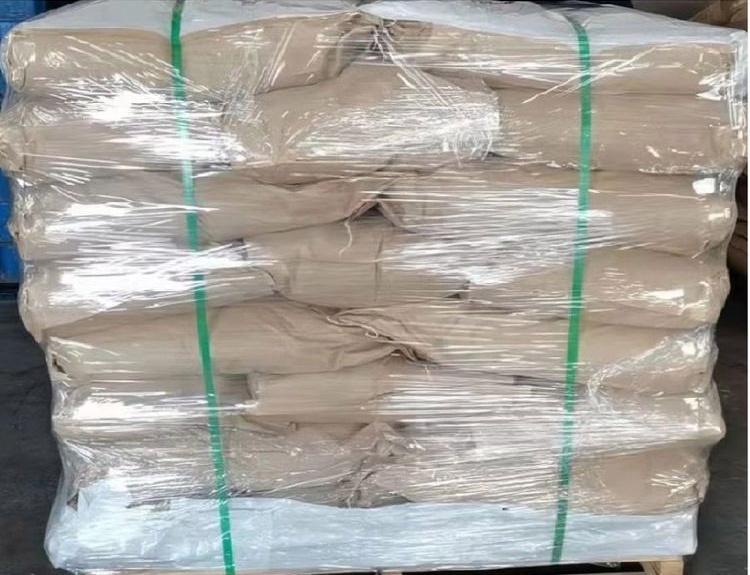
Standard packaging is commonly supplied in 25 kg drums or according to shipment requirement.
Packaging information may vary by grade, destination, and transport arrangement.
Storage Conditions
- Store in a cool, dry place with original sealed packaging.
- Avoid direct sunlight and high temperature exposure.
- Protect from moisture and keep packaging dry.
- Storage temperature should not exceed 30°C.
Safety Precautions
- Handle according to general industrial hygiene practices.
- Avoid dust inhalation and contact with eyes.
- Use appropriate personal protective equipment where applicable.
- Refer to the latest SDS before storage, transport, and industrial use.
FAQ - Technical & Supply Chain
-
Q:
What is the difference between Niacinamide and Niacin (Nicotinic Acid)?
A: Niacinamide (CAS 98-92-0) is the amide form of Niacin (Nicotinic Acid, CAS 59-67-6). While both are forms of Vitamin B3, Niacinamide does not cause the skin flushing reaction commonly associated with Niacin, making it more suitable for cosmetic and personal care formulations where heat generation or vasodilation response must be avoided. Their reactivity and coenzyme roles also differ in pharmaceutical synthesis pathways. -
Q:
What grade options are available for Niacinamide CAS 98-92-0?
A: Niacinamide is commonly supplied in food grade, BP (British Pharmacopoeia), and USP (United States Pharmacopoeia) grades. The choice depends on the intended application — USP grade is typically required for pharmaceutical formulations, while food grade may be suitable for dietary supplements and cosmetic raw material systems. Always verify that the selected grade meets your formulation's regulatory requirements. -
Q:
How should Niacinamide be stored to maintain stability?
A: Niacinamide (CAS 98-92-0) should be stored in a cool, dry place in tightly sealed containers, protected from light and moisture. It is a stable compound under normal storage conditions, but prolonged exposure to high temperatures or humidity may cause gradual degradation or discoloration. Proper storage ensures consistent quality for cosmetic and pharmaceutical applications. -
Q:
Is Niacinamide water-soluble and how does this affect formulation?
A: Yes, Niacinamide is freely soluble in water at approximately 100 g/L at 20 °C. Its excellent water solubility makes it easy to incorporate into aqueous-based formulations such as serums, creams, lotions, and injectable preparations. For oil-based systems, it may require solubilization or encapsulation depending on the target concentration and formulation matrix. -
Q:
What are the key specifications to verify when sourcing Niacinamide?
A: When sourcing Niacinamide (Nicotinamide, CAS 98-92-0), key specifications to confirm include: assay (typically ≥99.0%), melting point range (128–131 °C), heavy metals limits, loss on drying, and pH of solution. For pharmaceutical or cosmetic applications, additional testing such as residual solvents, microbial limits, and identification by IR or HPLC should be reviewed in the provided COA. -
Q:
Can Niacinamide be used alongside other active ingredients in formulations?
A: Niacinamide is generally compatible with most formulation ingredients, including peptides, antioxidants, and humectants. It is stable across a typical pH range of 5.0–7.0. However, it should not be formulated with strong acids or reducing agents that could hydrolyze the amide group. Compatibility testing is recommended when combining Niacinamide with other active ingredients at significant concentrations.
Documents and Product Support
For product review and sourcing evaluation, supporting documents can be coordinated according to the product type, inquiry stage, and order requirements.
- COA for batch-based quality reference
- TDS for key physical and chemical information
- SDS / MSDS for handling, storage, and safety reference
- Packing information for sample, trial, and bulk orders
- Technical communication based on application and specification requirements
Information to Confirm Before Quotation
Clear sourcing information helps reduce specification mismatch and allows a more accurate quotation before sample or bulk order discussion.
- Product name and CAS number
- Application or intended end use
- Required purity, grade, or specification
- Sample quantity, trial order, or bulk demand
- Preferred packing form or net weight
- Destination country or port
- Required documents or compliance expectations
Packaging, Storage, and Handling Notes
Packaging form, storage conditions, shelf life, and shipment arrangements should be confirmed according to the product characteristics, package size, and destination requirements.
Before order confirmation, buyers are advised to review the corresponding product documents and confirm whether any special storage, labeling, or handling requirements apply.
Sample, Bulk Order and Repeat Supply Support
Support can be arranged for sample discussion, bulk supply planning, packaging confirmation, and routine sourcing communication based on the actual product and order requirements.
For repeat-use formulations or long-term procurement plans, buyers may discuss specification consistency, packaging preferences, delivery expectations, and document coordination in advance.
Contact Form
Use our contact form to send us your questions, suggestions or comments. We will respond as soon as possible.
Product Categories
Related Products
-
C12-14 Alkyl Dimethyl Amine Oxide | CAS 84649-84-3 | Industrial Grade -
Polyquaternium-10 PQ-10 CAS 68610-92-4 -
Behentrimonium Chloride CAS 17301-53-0 -
Aluminum Chlorohydrate (ACH) (CAS 12042-91-0) -
Polyquaternium-10 PQ-10 CAS 68610-92-4 -
Kojic Acid CAS 501-30-4 -
Guar Hydroxypropyltrimonium Chloride (CAS 65497-29-2) -
Tween-80 Emulsifier T-80 CAS 9005-65-6