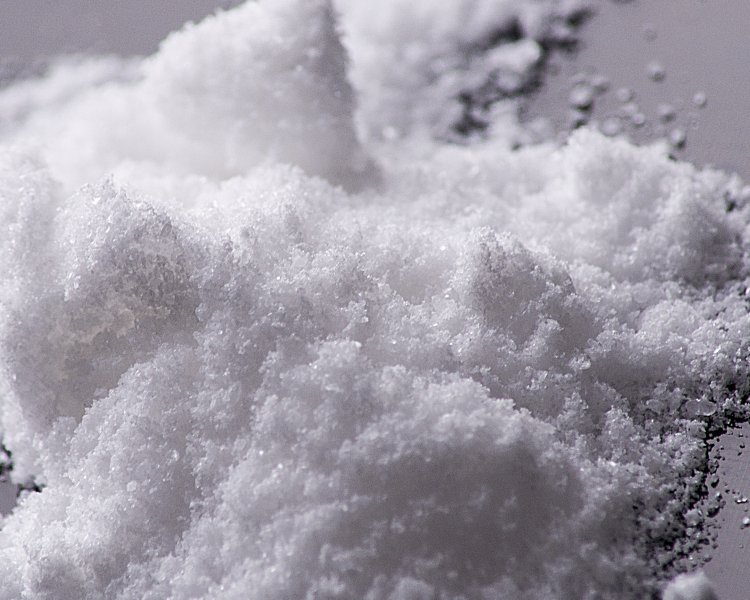










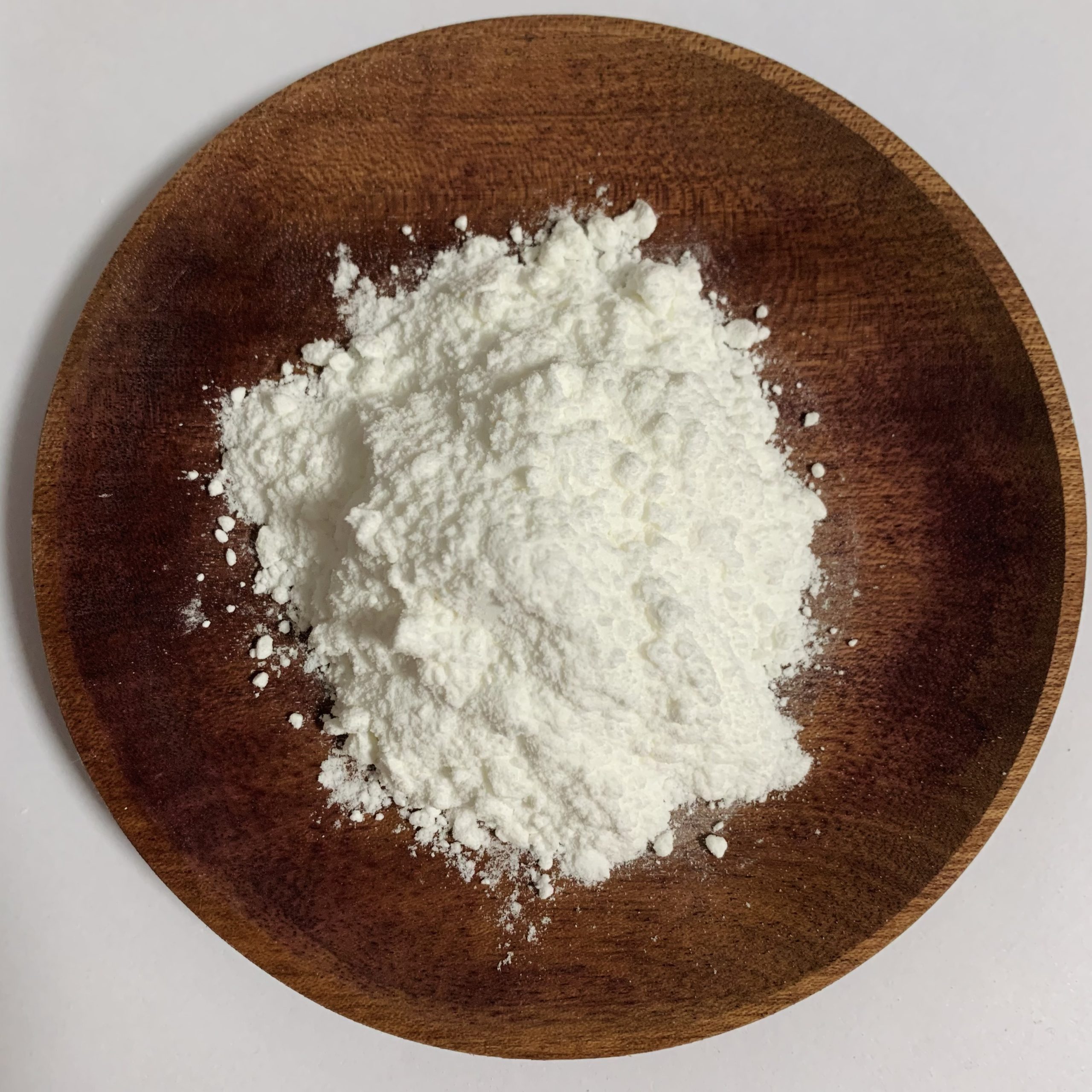
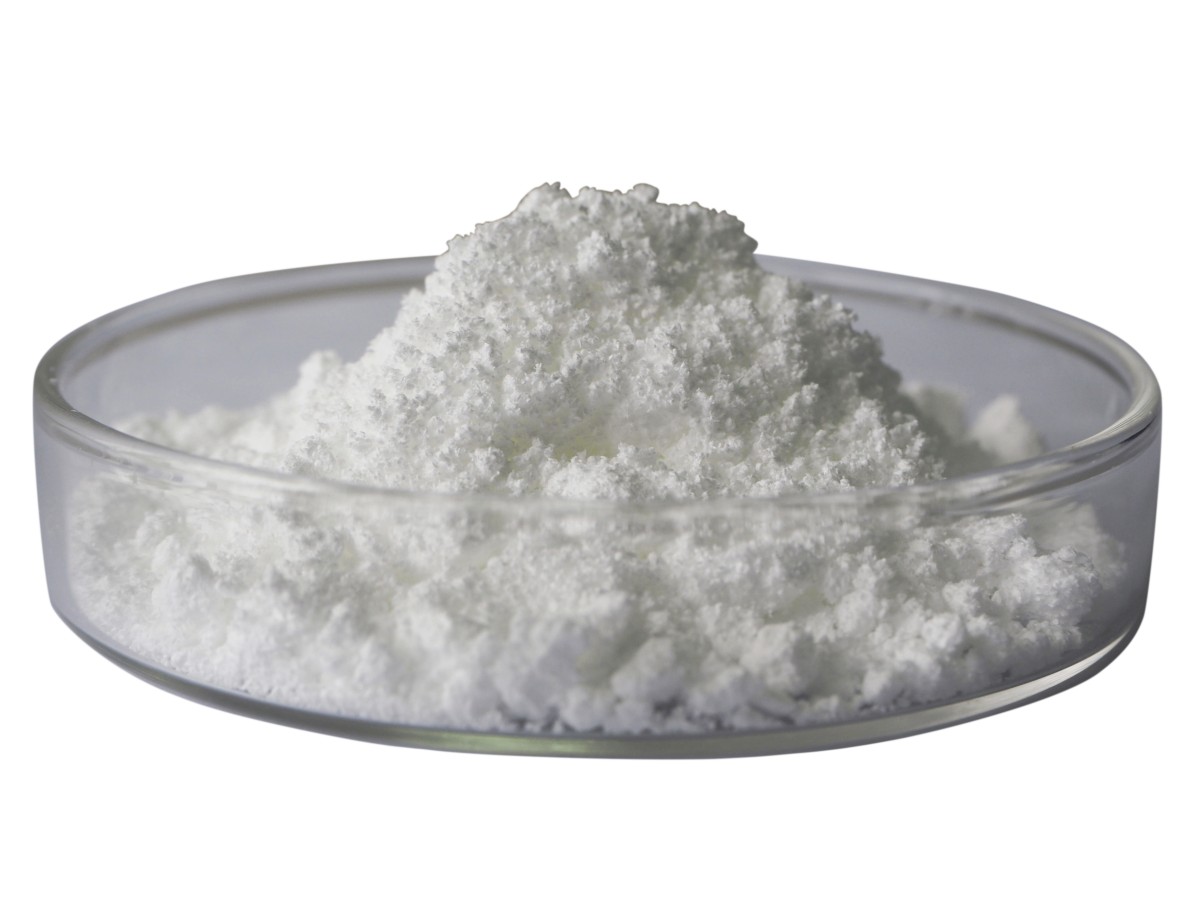

Nicotinamide Riboside (CAS 1341-23-7) is a pyridine-nucleoside form of Vitamin B3, utilized primarily as a high-value precursor in the industrial synthesis of NAD+ (Nicotinamide Adenine Dinucleotide) boosters and nutritional supplements. This bioactive NR molecule functions as a potent NAD+ metabolic precursor, exhibiting unique pharmacokinetic properties that distinguish it from niacin and niacinamide in nutraceutical formulations. As a critical Nicotinamide ribonucleoside ingredient, it is processed into stable salts for use in anti-aging dietary products and metabolic health formulations. We provide this nutritional raw material with competitive factory pricing to support supplement brand manufacturing and ensure bulk supply availability for commercial encapsulation lines. Our technical team accommodates customized specifications for assay purity and particle consistency, while every shipment is fully documented with MSDS, TDS, COA files to ensure strict food safety and regulatory compliance.
Nicotinamide Riboside CAS 1341-23-7
- CAS: 1341-23-7
- Synonyms: Nicotinamide ribonucleoside, N-Ribosylnicotinamide
- Einecs: 811-511-0
- Molecular Formula: C₁₁H₁₅N₂O₅
- Grade: Nutraceutical / Pharmaceutical grade, ≥99%
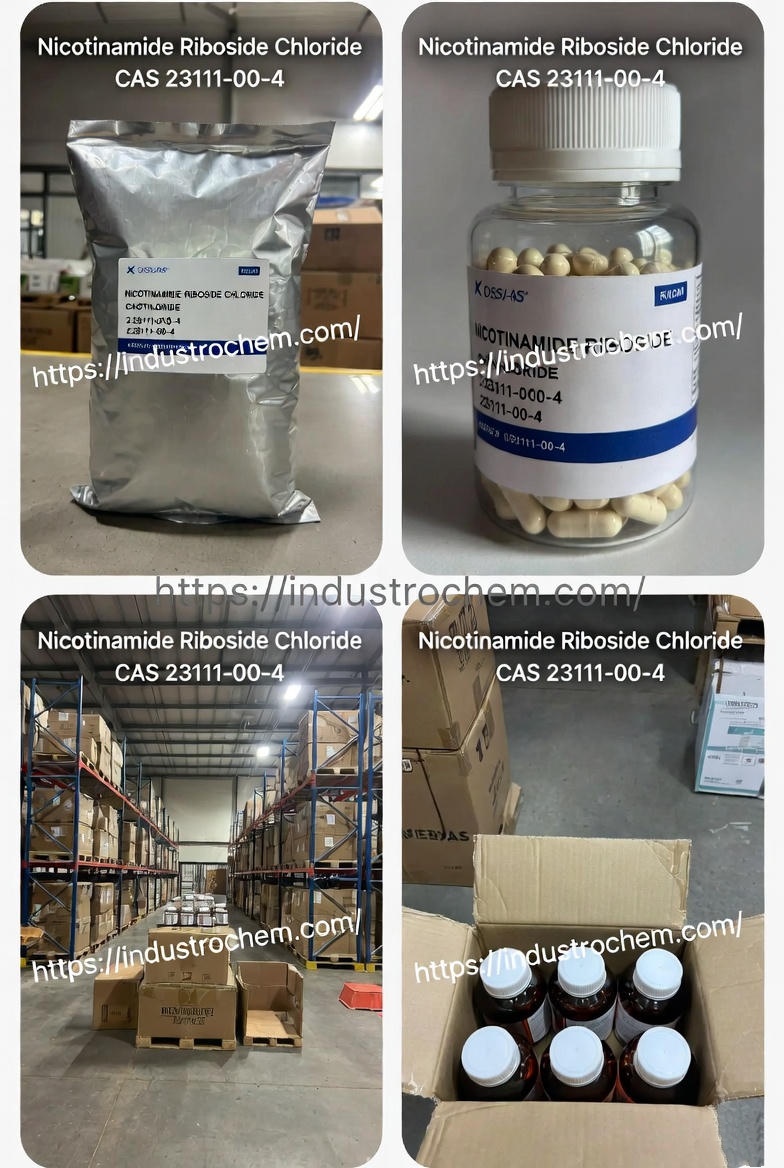
- Package: 1 kg aluminum foil bag, 25 kg fiber drum, or customized
Product Description
Nicotinamide Riboside (NR) is a vitamin B3 derivative and efficient NAD⁺ precursor used in anti-aging, energy metabolism and cell-health formulations. It is supplied as a high-purity bulk ingredient for dietary supplements, functional foods, cosmetics and R&D formulations.
📧 Email: info@industrochem.com for latest COA, regulatory support, technical data and bulk pricing.
Physicochemical Properties
| Item | Typical Data / Description |
|---|---|
| Chemical Name | Nicotinamide Riboside |
| Synonyms | Nicotinamide β-riboside; N-Ribosylnicotinamide; Nicotinamide ribose |
| CAS No. | 1341-23-7 |
| Molecular Formula | C₁₁H₁₅N₂O₅ |
| Molecular Weight | 255.25 g/mol |
| Structural Type | Pyridine nucleoside, vitamin B3 derivative |
| Appearance | White to off-white, low-melting solid / semi-solid |
| Odor | Practically odorless |
| Assay (HPLC) | ≥ 99.0% (typical commercial spec)* |
| Solubility | Freely soluble in water; practically insoluble in most non-polar organic solvents |
| pKa (strongest acidic) | ~11.4 (weakly basic/essentially neutral overall) |
| logP (predicted) | Approx. −2.3 (highly polar, hydrophilic) |
| Hygroscopicity | Hygroscopic – tends to absorb moisture from air |
| Stability (solid) | Stable when kept dry, cool and protected from light; sensitive to moisture and heat |
| Stability (solution) | Aqueous solutions degrade faster at neutral/alkaline pH; more stable under mildly acidic conditions |
| Storage Recommendation | Store tightly sealed at −20 °C or 2–8 °C, in a dry, dark place; protect from air and moisture |
Applications
This product is offered as a bulk ingredient for industrial and R&D use, not as a finished consumer product. Typical B2B application fields include:
- Dietary Supplement & Nutraceutical Manufacturing
- Capsule, tablet, powder and sachet formulations focused on:
- Cellular energy and metabolism support
- Healthy aging and vitality concepts
- Often combined with NMN, CoQ10, resveratrol, vitamins and minerals.
- Capsule, tablet, powder and sachet formulations focused on:
- Functional Food & Beverage Ingredients
- Fortification of shots, ready-to-drink beverages, nutrition bars and meal-replacement powders where an NAD⁺ precursor is required.
- Cosmetic & Personal Care Formulations
- Active ingredient for anti-oxidation and “skin energy” concepts in:
- Anti-aging serums and creams
- Repair and recovery masks
(End-product manufacturers must verify local cosmetic regulations before use.)
- Active ingredient for anti-oxidation and “skin energy” concepts in:
- Pharmaceutical & Biomedical Research
- Tool compound in studies on:
- NAD⁺ metabolism and sirtuin activation
- Mitochondrial function, neuroprotection and metabolic health
- Tool compound in studies on:
For the chloride form and for a separate vitamin B3 raw material, see Nicotinamide Riboside Chloride and Niacinamide.
Storage Conditions
For best stability and shelf life:
- Temperature:
- Recommended: −20 °C (long-term) or 2–8 °C (short-/mid-term) in a dedicated cool room or refrigerator.
- Environment:
- Keep in a tightly closed container, with nitrogen or other inert gas blanketing where possible.
- Store in a dry, well-ventilated area away from strong oxidants and alkaline materials.
- Protect from direct light and high humidity to minimize degradation.
- Shelf Life (typical):
- 24 months from production date in original unopened packaging under recommended conditions (exact validity according to COA).
Safety Precautions
- Classification:
- Not expected to be acutely toxic at normal handling levels; treat as a laboratory/industrial organic chemical.
- Personal Protection:
- Avoid dust generation and inhalation.
- Wear appropriate PPE: lab coat/overall, safety glasses, dust mask or respirator (if dust is generated), and chemical-resistant gloves.
- Handling:
- Use in well-ventilated areas or with local exhaust.
- Avoid contact with eyes, skin and clothing.
- Do not eat, drink or smoke while handling the product; wash hands thoroughly after operation.
- First Aid (general principles):
- Inhalation: Move to fresh air; seek medical attention if irritation or discomfort persists.
- Skin contact: Wash with soap and plenty of water; remove contaminated clothing.
- Eye contact: Rinse cautiously with water for several minutes; seek medical advice if irritation continues.
- Ingestion: Rinse mouth with water; seek medical advice if large quantities are swallowed.
- Spill & Disposal:
- Avoid creating dust; sweep up or vacuum into suitable labeled containers for recovery or disposal.
- Dispose of in accordance with local regulations for organic chemical waste.
FAQ - Technical & Supply Chain
-
Q:
What is Nicotinamide Riboside CAS 1341-23-7?
A: Nicotinamide Riboside is a pyridine-nucleoside form of vitamin B3 with the molecular formula C11H15N2O5 and a molecular weight of 255.25 g/mol. It is also known as nicotinamide ribonucleoside or N-ribosylnicotinamide. -
Q:
What is Nicotinamide Riboside used for?
A: It is used as a raw material for NAD+ precursor supplements and research formulations. The ingredient supports anti-aging, metabolic-health and cell-energy product development. -
Q:
How does Nicotinamide Riboside differ from niacin and niacinamide?
A: Nicotinamide Riboside is a riboside form of vitamin B3 rather than the free acid or amide. It is used specifically because it can be converted to NAD+ through a nucleoside-based pathway, which makes it a distinct ingredient choice in NAD+ booster products. -
Q:
Which specifications should be checked before using Nicotinamide Riboside?
A: Check HPLC assay, related substances, water content, residual solvents, heavy metals and microbial limits. Because the material is hygroscopic, also confirm appearance, packaging and storage requirements for the actual batch. -
Q:
How should Nicotinamide Riboside be stored and handled?
A: Keep it in tightly closed containers in a cool, dry, light-protected area and minimize exposure to moisture. Use powder-handling controls and appropriate PPE during transfer and weighing.
Ordering & Documentation
Key information for document requests, quotations, and supply planning.
Documents
COA, TDS, SDS/MSDS and packing details are available on request.
Quotation
Send the CAS number, grade, quantity, packing preference and destination.
Sample & Supply
Support is available for samples, trial orders, bulk and repeat supply.
Storage & Shipping
Product-specific conditions are confirmed before order.