









Hydroxypinacolone Retinoate (HPR) (CAS 893412-73-2) is supplied for cosmetic skin-care formulations. Quotations identify the supplied form and HPR content so that unblended HPR and carrier-based grades can be compared on the correct basis. Send your required form or application, quantity and destination for a quotation.
Hydroxypinacolone Retinoate (HPR) CAS 893412-73-2
- CAS: 893412-73-2
- Synonyms: Hydroxypinacolone Retinoate; HPR
- Einecs: No EINECS number assigned; ECHA List No. 826-245-0
- Molecular Formula: C26H38O3
- Grade: Unblended HPR or carrier-based grades, specified by HPR content, carrier where applicable, assay method and related-substance limits
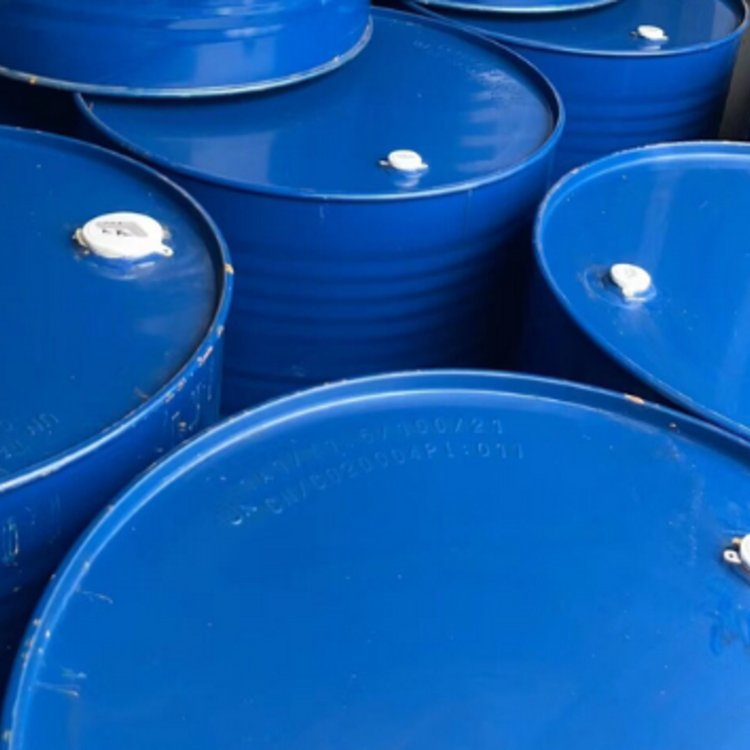
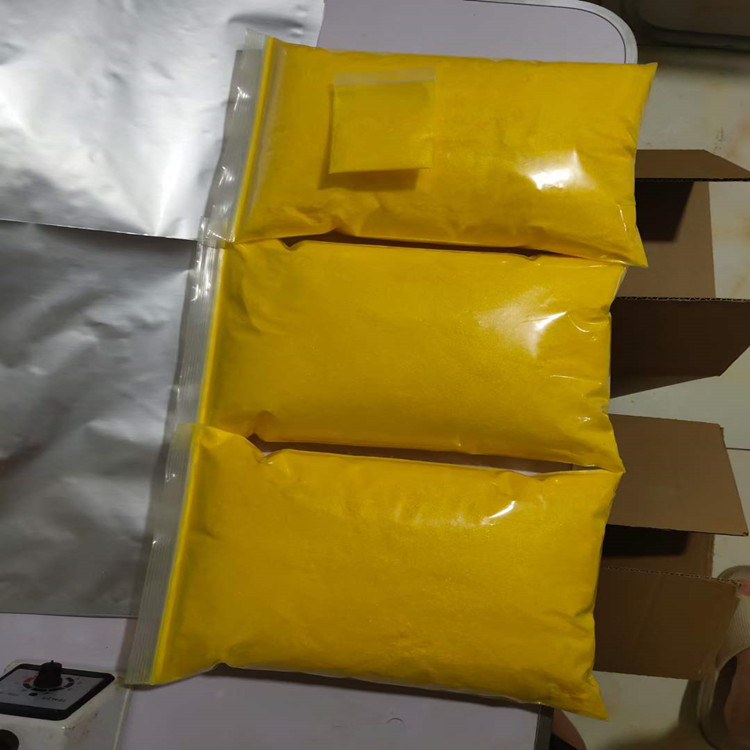
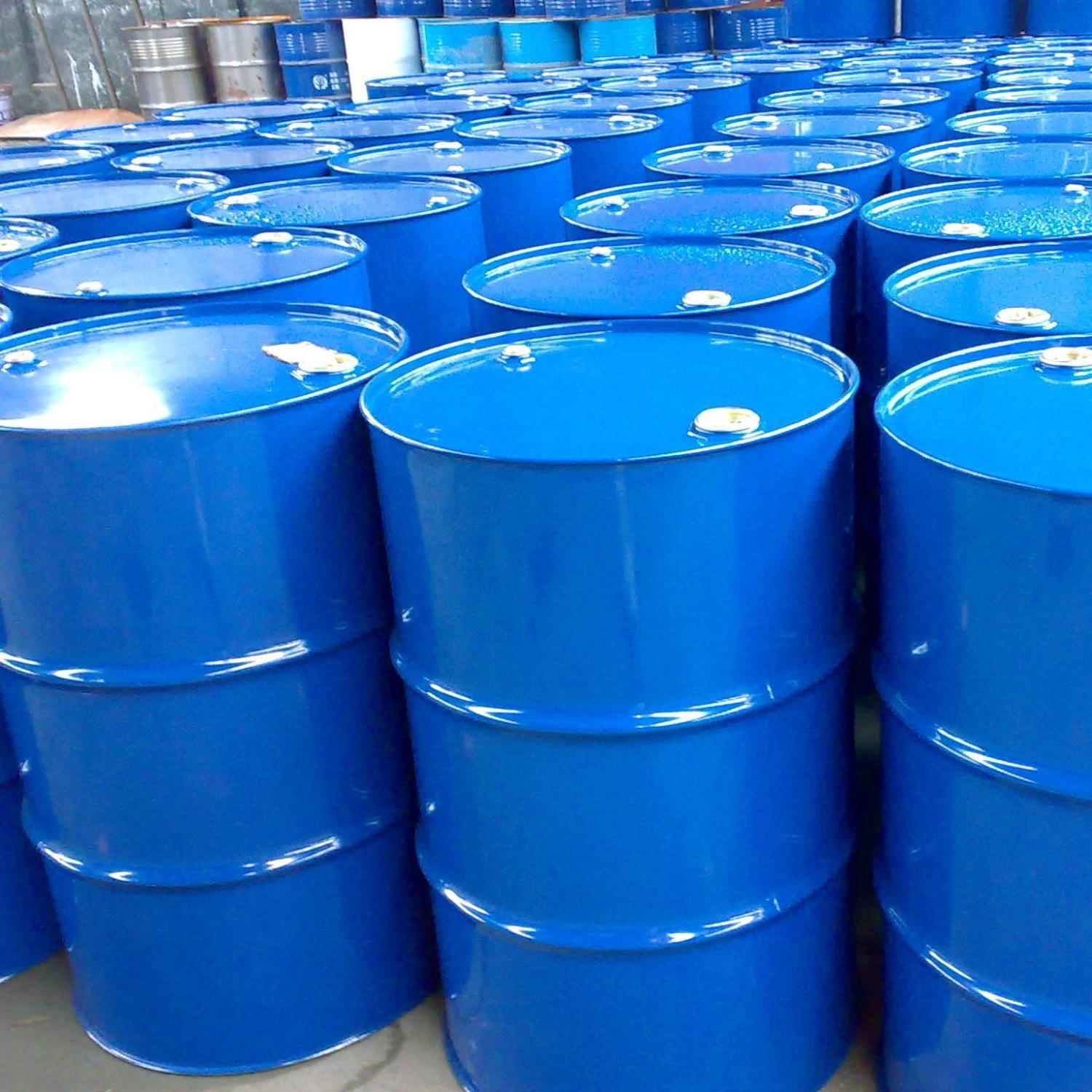
- Package: We specify light-protective packaging for HPR in our quotation, according to the supplied form, quantity and destination.
Product Description
Product Overview
Hydroxypinacolone Retinoate (HPR, CAS 893412-73-2) is a retinoic-acid ester used as a cosmetic formulation ingredient in oil-phase or compatible delivery systems. Its identity and active content must be distinguished from any carrier-based HPR blend.
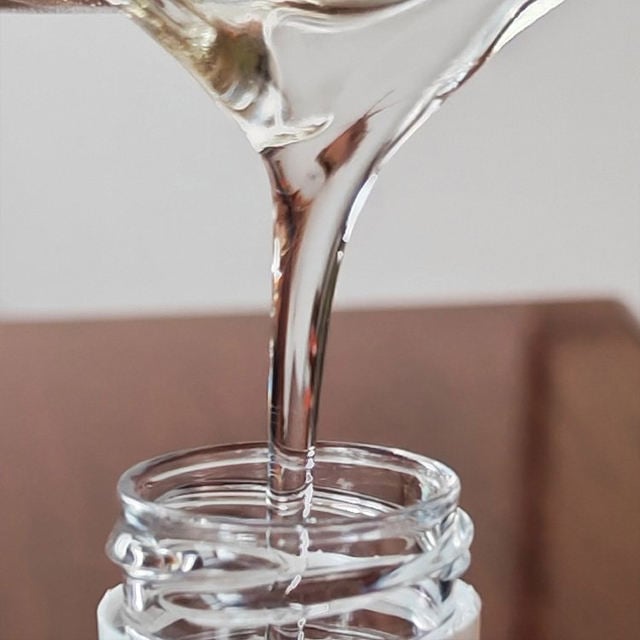
Unblended HPR and carrier-based HPR grades differ in active content and formulation handling. Compare the HPR content and reporting basis, carrier identity where applicable, assay method and related-substance limits before selecting a grade.
Product Information / Specifications
| Product Name | Hydroxypinacolone Retinoate |
| Abbreviation | HPR |
| CAS No. | 893412-73-2 |
| ECHA List No. | 826-245-0 |
| Molecular Formula | C26H38O3 |
| Molecular Weight | 398.58 g/mol |
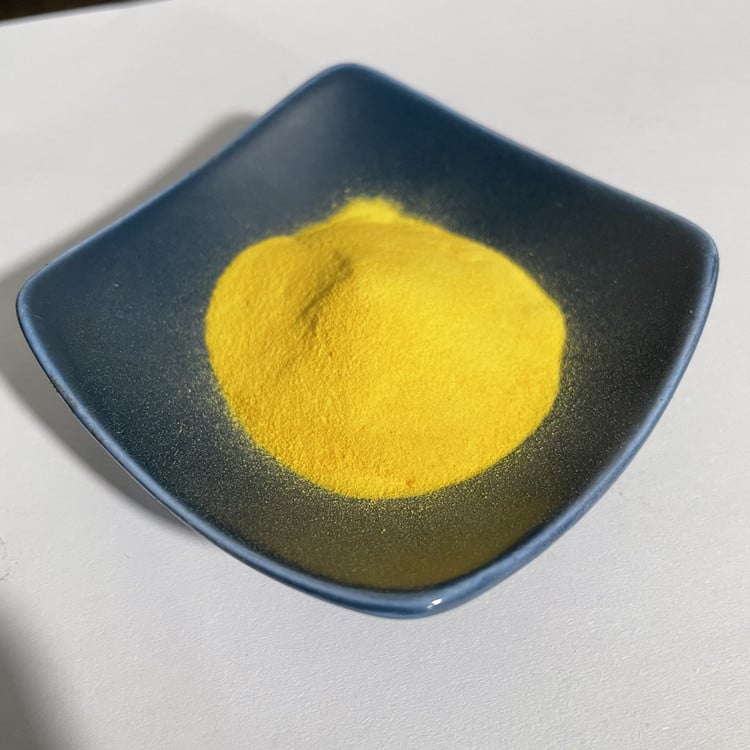
| Appearance | Unblended HPR is typically a yellow crystalline powder; the appearance of a carrier-based grade depends on its formulation. |
| Grade | Unblended HPR or carrier-based grades, specified by HPR content, carrier where applicable, assay method and related-substance limits |
| Synonyms | HPR; hydroxypinacolone retinoate |
HPR Assay and Quality Control
For purchasing comparisons, distinguish HPR assay from chromatographic purity and from the percentage of a commercial blend. HPLC can be used to assess HPR and related substances, but an area-percentage result is not automatically the HPR mass fraction in a carrier-containing material. Agree the reporting basis, reference standard, sample preparation and impurity limits for the supplied form. We can provide HPLC chromatograms and method information to support HPR quality evaluation.
Physical & Chemical Properties
- Melting Point: For unblended HPR, the melting range is a grade specification reported in our TDS/COA; it does not describe the behaviour of a carrier-based blend.
- Solubility: HPR requires a compatible solvent or delivery system. For carrier-based grades, the carrier and HPR concentration determine how the material is incorporated into the intended formulation phase.
- Stability: Protect from light, oxygen and heat according to the grade-specific product documentation.
Applications
HPR is used in cosmetic skin-care development targeting the appearance of fine lines and uneven texture. Select the supplied form for the intended phase and evaluate active content, solubility, stability and packaging compatibility in the finished formula.
- Oil-based facial serums with a suitable solvent or delivery system
- Creams and lotions with a compatible oil phase or encapsulated delivery system
- Anhydrous skin-care formulations evaluated for HPR dissolution and stability
In oil-based HPR formulation work, Squalane and Caprylic/Capric Triglyceride (GTCC) are relevant emollient and vehicle candidates. Their use in an HPR-containing formula does not establish that either material alone will dissolve every HPR grade. Check the solvent system, HPR concentration and low-temperature stability in the complete formulation.
Ascorbyl Tetraisopalmitate is an oil-soluble vitamin C derivative used alongside HPR in some cosmetic formulations. It is a complementary formulation ingredient, not an HPR synonym or a dosage-equivalent replacement. Assess the selected grades together for solubility, colour, oxidation and overall formula stability.
Packaging
We specify light-protective packaging for HPR in our quotation, according to the supplied form, quantity and destination.
Storage Conditions
Use the grade-specific storage temperature and retest period; protect the material from light, oxygen and heat in packaging suitable for the supplied form.
Direct sunlight and high-temperature conditions should be avoided to help maintain formulation stability.
Safety Precautions
Use the supplied SDS and workplace controls appropriate to the actual material form and concentration; avoid exposure and protect the material from light, oxygen and heat during handling.
Use appropriate protective equipment when processing HPR. We can provide COA, TDS and SDS for the supplied grade.
FAQ - Technical & Supply Chain
-
Q:
Is pure Hydroxypinacolone Retinoate the same as a diluted HPR blend or retinoid complex?
A: No. Pure HPR is the identified ingredient with CAS 893412-73-2, while a commercial blend may contain HPR at a stated concentration in a carrier system. They cannot be compared or dosed by trade name alone; the active basis and full carrier composition must be confirmed. -
Q:
Which HPR grade controls should be agreed for a cosmetic formulation?
A: Confirm identity, assay basis, appearance, colour, related substances and whether the supplied material is pure HPR or a carrier-based blend. The acceptance specification should include the relevant test methods, because an equal stated percentage does not ensure equal active content or formulation behaviour. -
Q:
Can HPR replace retinol or another retinoid at the same dosage?
A: No. HPR, retinol and other retinoids are different ingredients with different formulation characteristics. Any replacement should be evaluated in the intended cosmetic formula for compatibility, appearance and stability. It should not be treated as a potency-equivalent substitution based on a similar product position.
Ordering & Documentation
Key information for document requests, quotations, and supply planning.
Documents
Tell us which documents your procurement team needs. Before an order, we will check whether the quoted source can provide them for the offered lot.
Quotation
Send the CAS number, grade, quantity, packing preference and destination.
Sample & Supply
Ask whether samples, trial quantities or repeat orders are possible. We will check each request against the sourced product and current offer.
Storage & Shipping
Product-specific conditions are confirmed before order.