









Chemical products
  • Guar Hydroxypropyltrimonium Chloride (Cationic Guar) CAS 65497-29-2
  • Guar Hydroxypropyltrimonium Chloride (Cationic Guar) CAS 65497-29-2
  • Guar Hydroxypropyltrimonium Chloride (Cationic Guar) CAS 65497-29-2

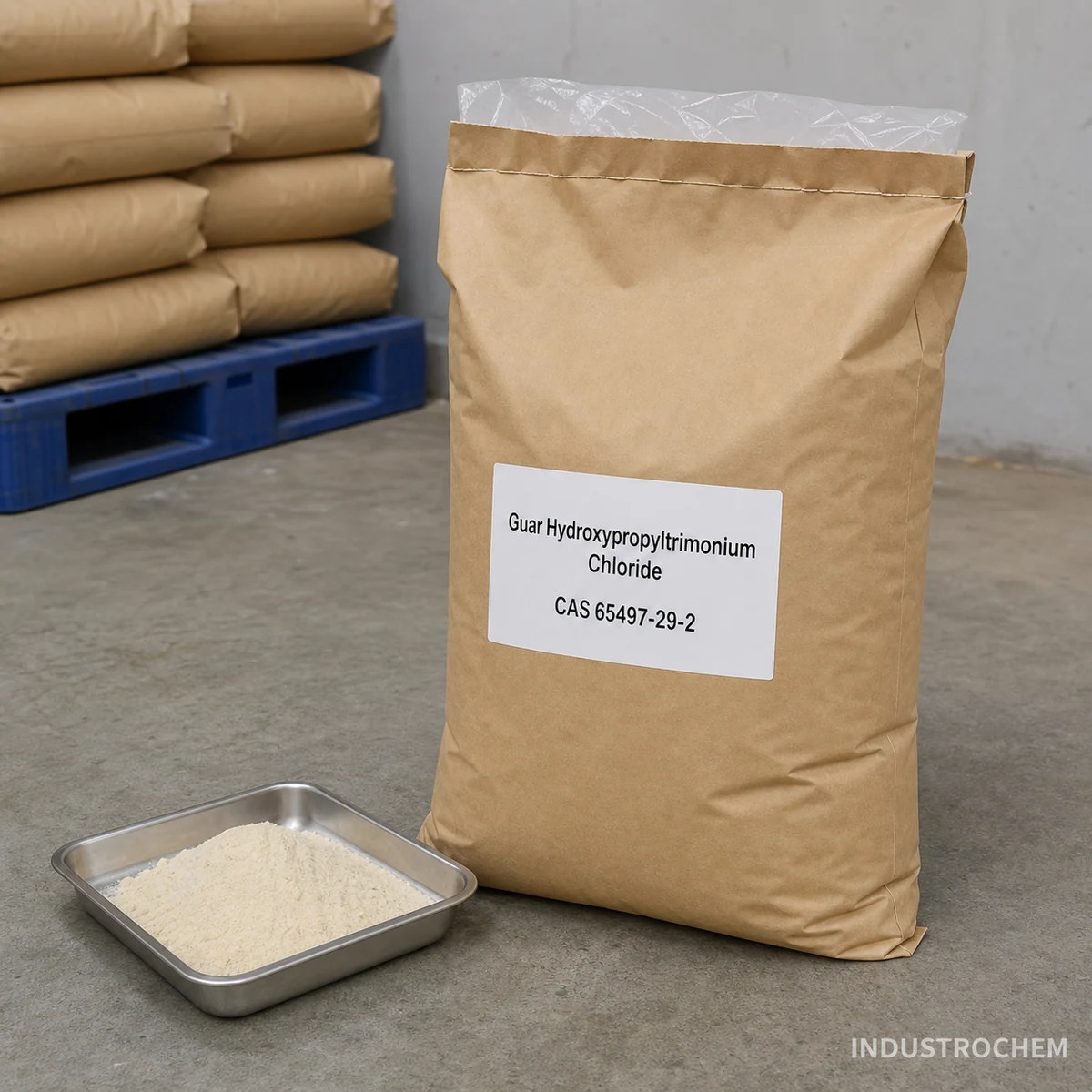
Guar Hydroxypropyltrimonium Chloride (Cationic Guar) CAS 65497-29-2

Guar Hydroxypropyltrimonium Chloride (CAS 65497-29-2, ECHA List no. 613-809-4) is a cationic guar conditioning polymer supplied for shampoos, conditioners and related personal-care formulations. Grade selection depends on viscosity, cationic substitution and hydration behaviour in your formulation. For a quotation, send your application or target specification, quantity and destination.

  • CAS: 65497-29-2
  • Synonyms: Cationic guar, Guar hydroxypropyltrimethylammonium chloride, Guar gum hydroxypropyltrimonium chloride, Cationic guar polymer
  • Einecs: 613-809-4
  • Molecular Formula: Polymeric reaction product; no single molecular formula
  • Grade: Cationic guar grades specified by viscosity and test conditions, cationic substitution, moisture, particle size and hydration profile
  • Package: We specify moisture-protective packaging for the selected cationic guar grade in our quotation, according to quantity and destination.
Request a quote
Share:

Product Description

Guar Hydroxypropyltrimonium Chloride is supplied as a conditioning polymer for cosmetic and personal care formulation use. This material is identified under CAS 65497-29-2 and is also referenced as cationic guar, guar hydroxypropyltrimethylammonium chloride, and guar gum hydroxypropyltrimonium chloride.

As a polymeric reaction product, Guar Hydroxypropyltrimonium Chloride has no single molecular formula; grade selection depends on viscosity and cationic substitution as well as hydration behaviour.

Product Information / Specifications

Product Name Guar Hydroxypropyltrimonium Chloride
CAS No. 65497-29-2
ECHA List No. 613-809-4
Molecular Formula No single molecular formula (cationic guar polymer)
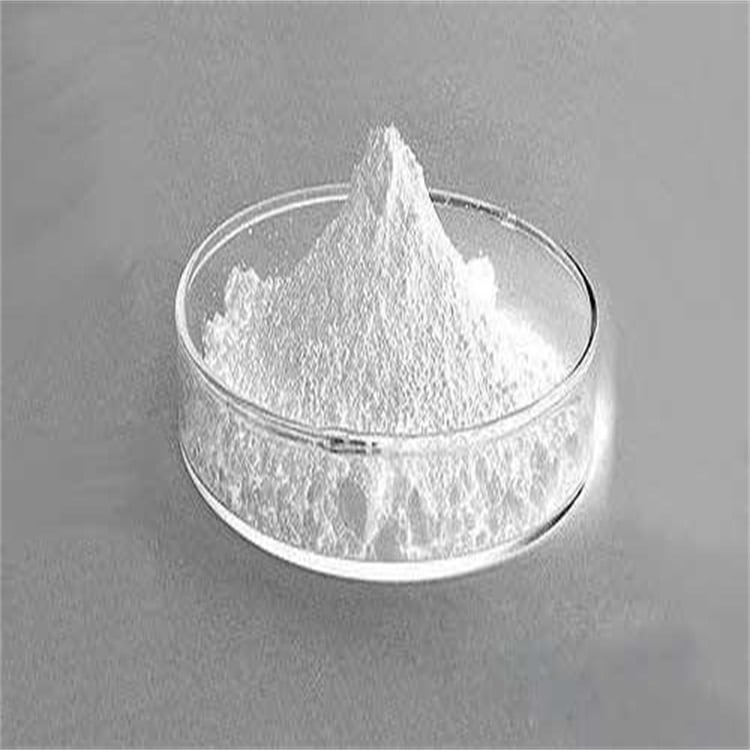
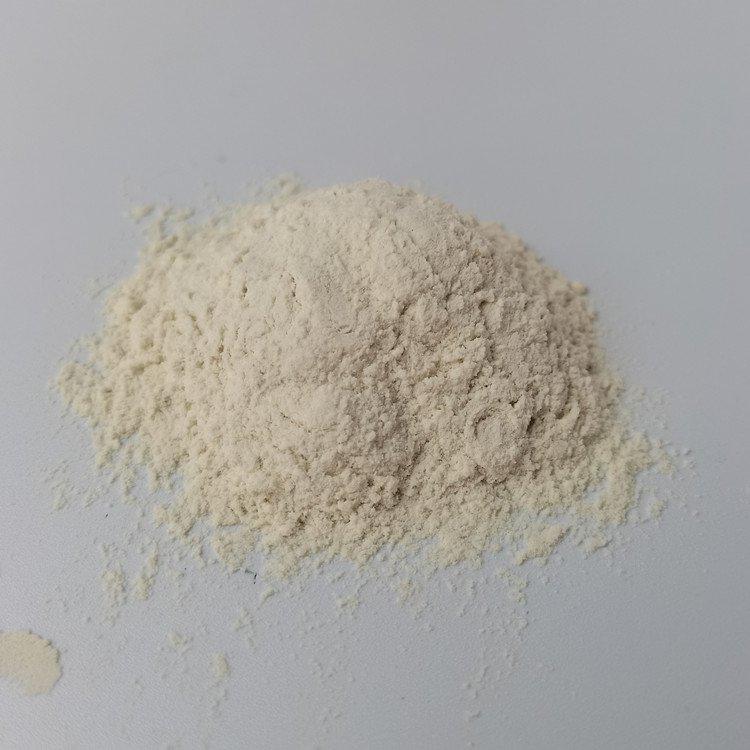
Appearance Powder; colour, particle size and moisture specifications vary with the cationic guar grade.
Grade Cationic guar grades specified by viscosity and test conditions, cationic substitution, moisture, particle size and hydration profile
Synonyms Cationic guar; Guar hydroxypropyltrimethylammonium chloride; Guar gum hydroxypropyltrimonium chloride

Quality Control for Cationic Guar

Compare Guar Hydroxypropyltrimonium Chloride grades using matched viscosity test conditions: polymer concentration, hydration time, temperature, viscometer type, spindle and speed. Review moisture, particle size, solution pH and microbiological limits alongside the stated cationic substitution or charge-density data. A viscosity number alone does not establish equal conditioning or deposition performance. We can provide viscosity test conditions and grade-specific quality information for purchasing comparisons.

Physical & Chemical Properties

  • Solubility: Hydrates or disperses in water; solution clarity and viscosity depend on the selected grade and formulation conditions.
  • pH: Cationic guar solution pH is reported with the polymer concentration, temperature and test method.
  • Odor: Odorless or with a slight characteristic odor.
  • Stability: Follow the supplied SDS and grade-specific storage conditions; keep the package closed and protected from moisture.

Applications

Guar Hydroxypropyltrimonium Chloride is commonly applied as a conditioning and deposition polymer in personal care systems.

  • Shampoo formulations
  • Conditioners and hair masks
  • Facial cleansers, shower gels, and related mild cleansing systems
  • Selected rinse-off and leave-on personal-care formulations after grade and formulation compatibility review

For conditioning-polymer selection, compare Polyquaternium-10 (PQ-10) and cationic guar grades listed under CAS 71329-50-5 against the intended shampoo or conditioner. PQ-10 has a cellulose backbone, while guar derivatives can differ in their modification profile. Check the exact INCI, charge characteristics, hydration and finished-formula performance; related conditioning applications do not make these materials identical or interchangeable at the same dosage.

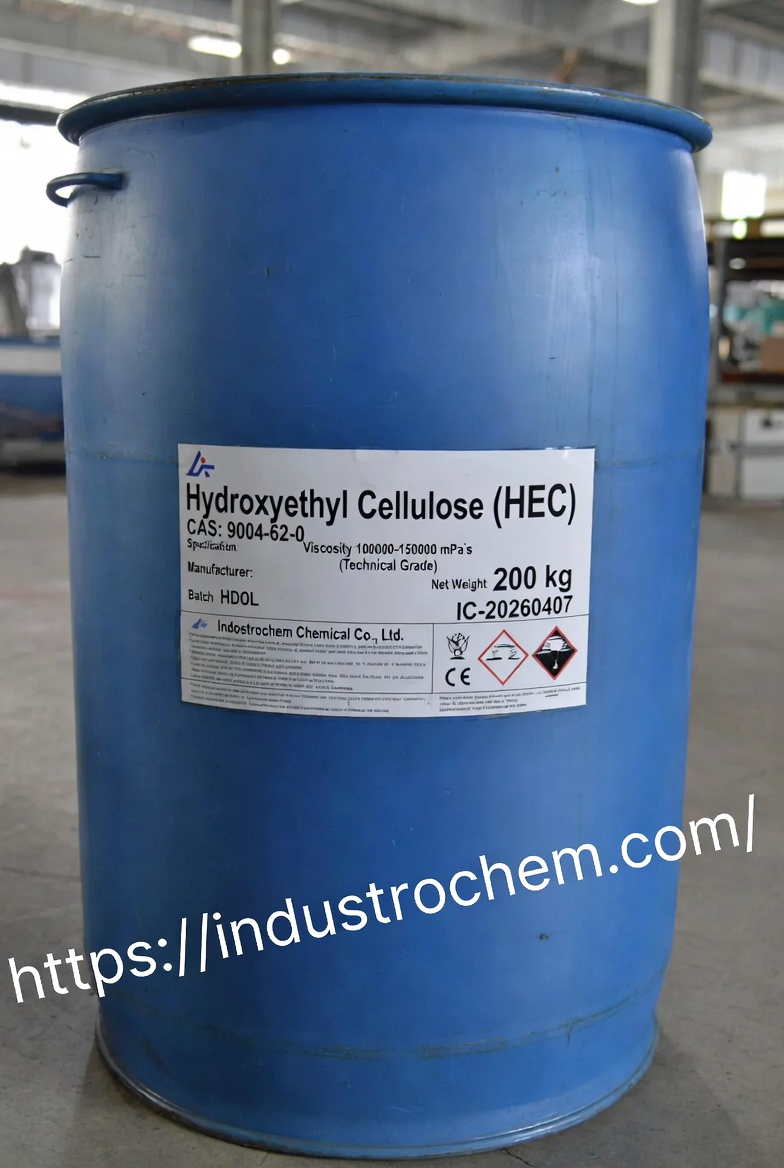
Hydroxyethyl Cellulose (HEC) can be considered as a nonionic rheology modifier alongside cationic guar in suitable personal-care formulations. Select a grade appropriate for cosmetic use and verify hydration, viscosity and compatibility in the complete system. HEC is not a synonym for Guar Hydroxypropyltrimonium Chloride and should not be assumed to provide the same cationic conditioning or deposition function.

Packaging

We specify moisture-protective packaging for the selected cationic guar grade in our quotation, according to quantity and destination.

Storage Conditions

Store in a cool, dry place and keep the package tightly sealed. Avoid exposure to high temperature and high humidity during storage.

Moisture protection is recommended to help maintain handling and formulation performance.

Safety Precautions

Handle according to the supplied SDS and workplace controls; minimize dust and avoid direct eye or skin contact.

Use appropriate protective equipment such as gloves and eye protection when handling cationic guar. We can provide COA, TDS and SDS for the supplied grade.

FAQ - Technical & Supply Chain

  • Q:

    Are all Guar Hydroxypropyltrimonium Chloride grades interchangeable?

    A: No. Grades under the same INCI and CAS can differ in cationic charge density, molecular weight or solution viscosity, particle size and hydration behaviour. Compare grade-specific data against the intended surfactant system rather than the label alone.
  • Q:

    How can Cationic Guar be added without undispersed particles?

    A: Use the grade’s recommended addition order, introduce the powder slowly under adequate agitation and allow hydration before high salt or surfactant loading. Some grades are self-hydrating while others are designed for controlled hydration, so process conditions must match the grade.
  • Q:

    Can Cationic Guar replace Polyquaternium-10 directly?

    A: Not at a like-for-like dosage. Their polymer backbones, charge distribution, hydration and deposition differ. Assess clarity, viscosity, foam, combing and stability in the finished system before making a substitution.

Ordering & Documentation

Key information for document requests, quotations, and supply planning.

Documents

Tell us which documents your procurement team needs. Before an order, we will check whether the quoted source can provide them for the offered lot.

Quotation

Send the CAS number, grade, quantity, packing preference and destination.

Sample & Supply

Ask whether samples, trial quantities or repeat orders are possible. We will check each request against the sourced product and current offer.

Storage & Shipping

Product-specific conditions are confirmed before order.

Contact Form

Use our contact form to send us your questions, suggestions or comments. We will respond as soon as possible.
For a quotation, please include the product name or CAS number, quantity, grade or application, and destination country or port. Tell us if you need a sample, COA, TDS or SDS.