








Kojic Acid (CAS 501-30-4) is a highly effective functional additive widely utilized in skin care formulations. It is primarily applied for its skin-brightening and anti-aging properties. Suitable for use in cosmetic products, it helps to reduce pigmentation and even skin tone.
Kojic Acid CAS 501-30-4
- CAS: 501-30-4
- Synonyms: Kojic acid, 5-hydroxy-2-hydroxymethyl-4-pyrone, Kojic acid powder, Pyrone derivative
- Einecs: 207-922-4
- Molecular Formula: C₆H₆O₄
- Grade: 99%
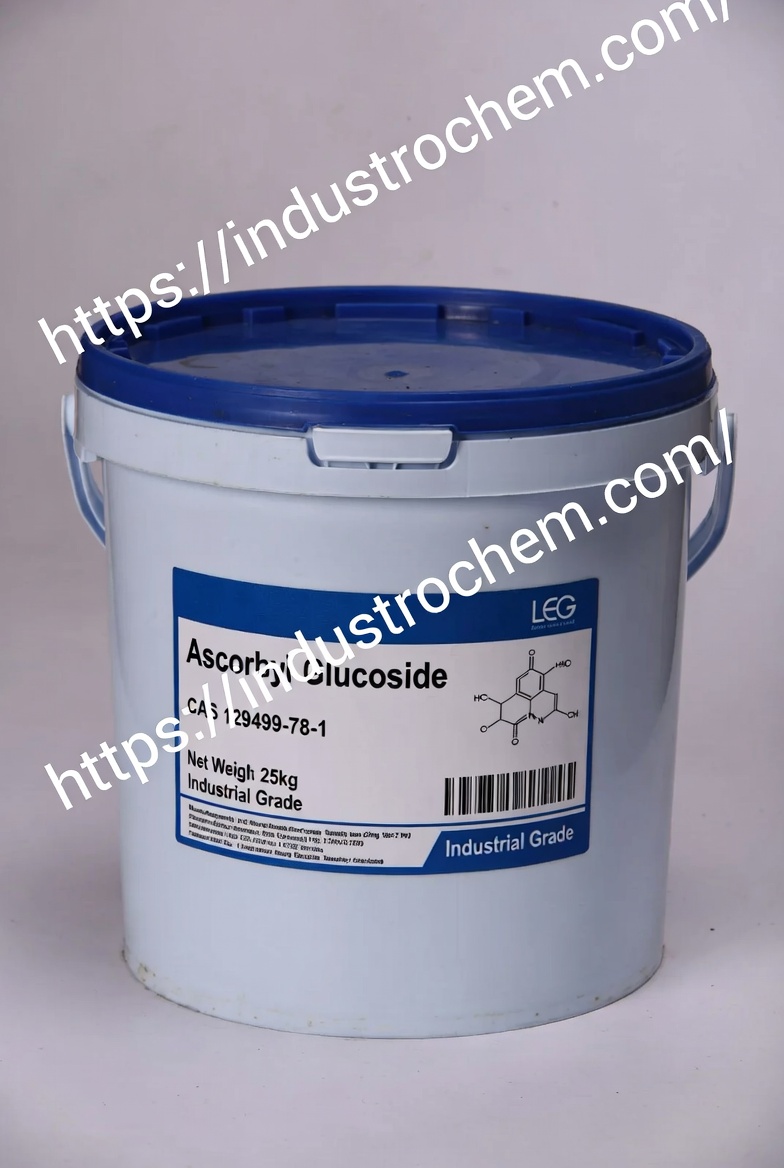
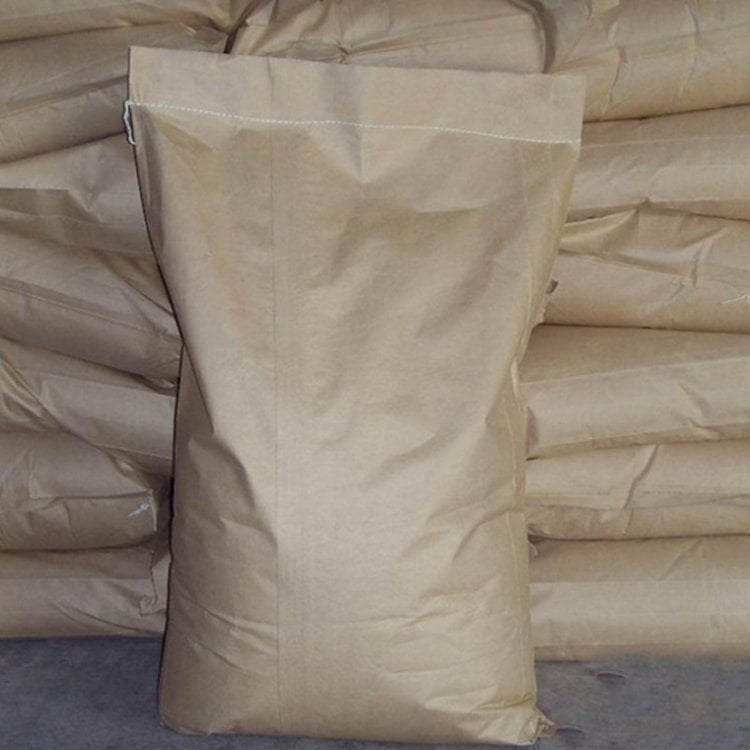
- Package: 1kg/bag,25kg/drum
Product Description
Kojic Acid CAS 501-30-4 is supplied as a formulation raw material for cosmetic and personal care applications. It is commonly used in brightening, tone-evening, and related topical systems where ingredient identity, appearance, packaging, and handling consistency are important for formulation work.
Kojic Acid is supplied for use in cosmetic raw material and personal care formulation sectors. The product is generally presented as kojic acid powder and is identified under CAS 501-30-4, with common naming references including 5-hydroxy-2-hydroxymethyl-4-pyrone.
This material is suitable for topical formulation systems where brightening-oriented positioning, formulation compatibility, and controlled storage conditions are required. Packaging and supporting technical documentation may vary according to the supplied grade.
| Product Name | Kojic Acid |
| CAS No. | 501-30-4 |
| EINECS No. | 207-922-4 |
| Molecular Formula | C6H6O4 |
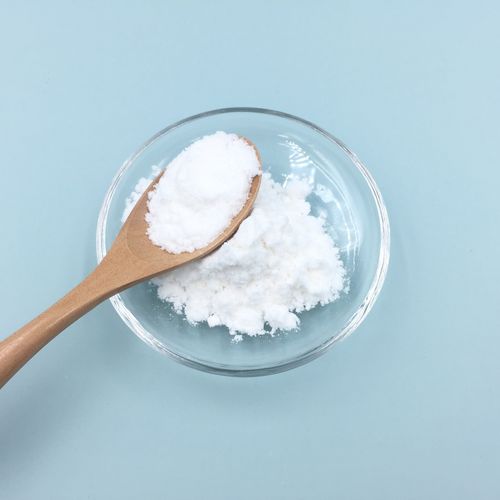
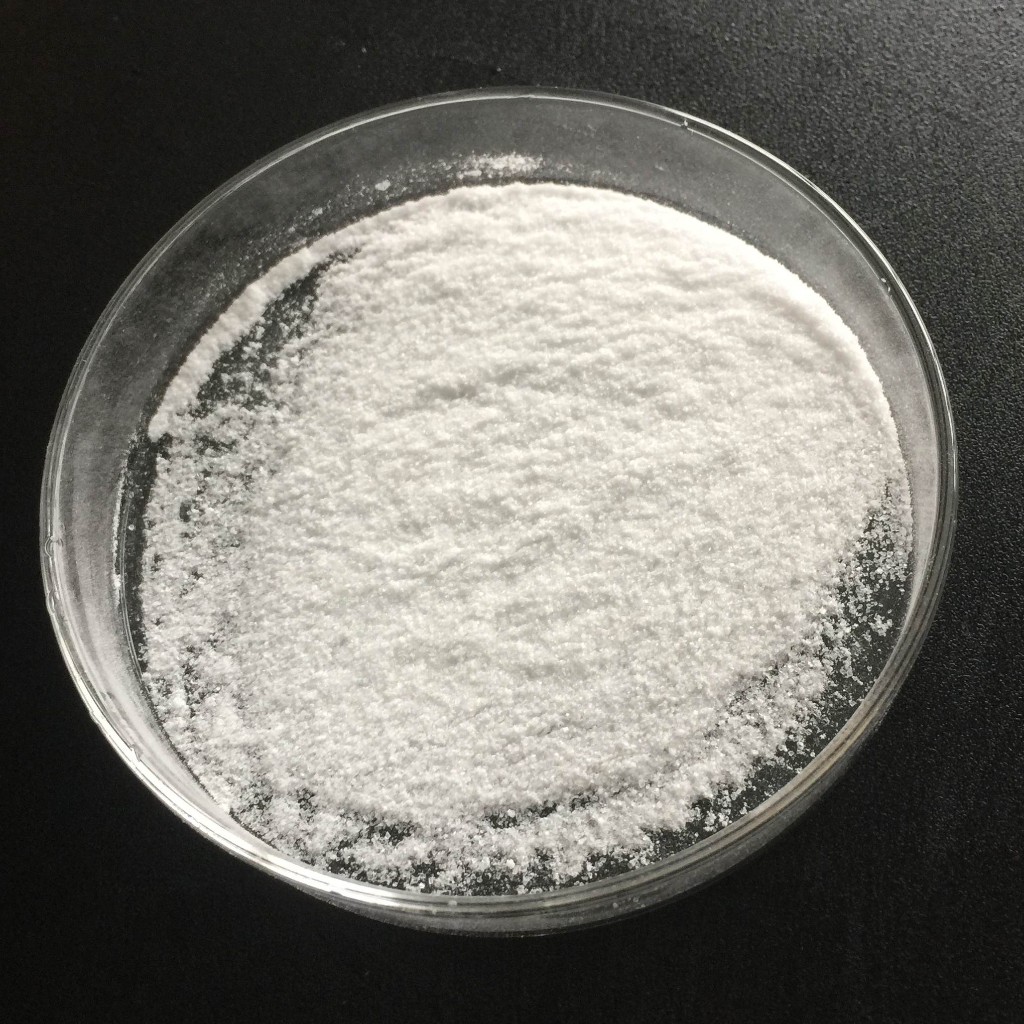
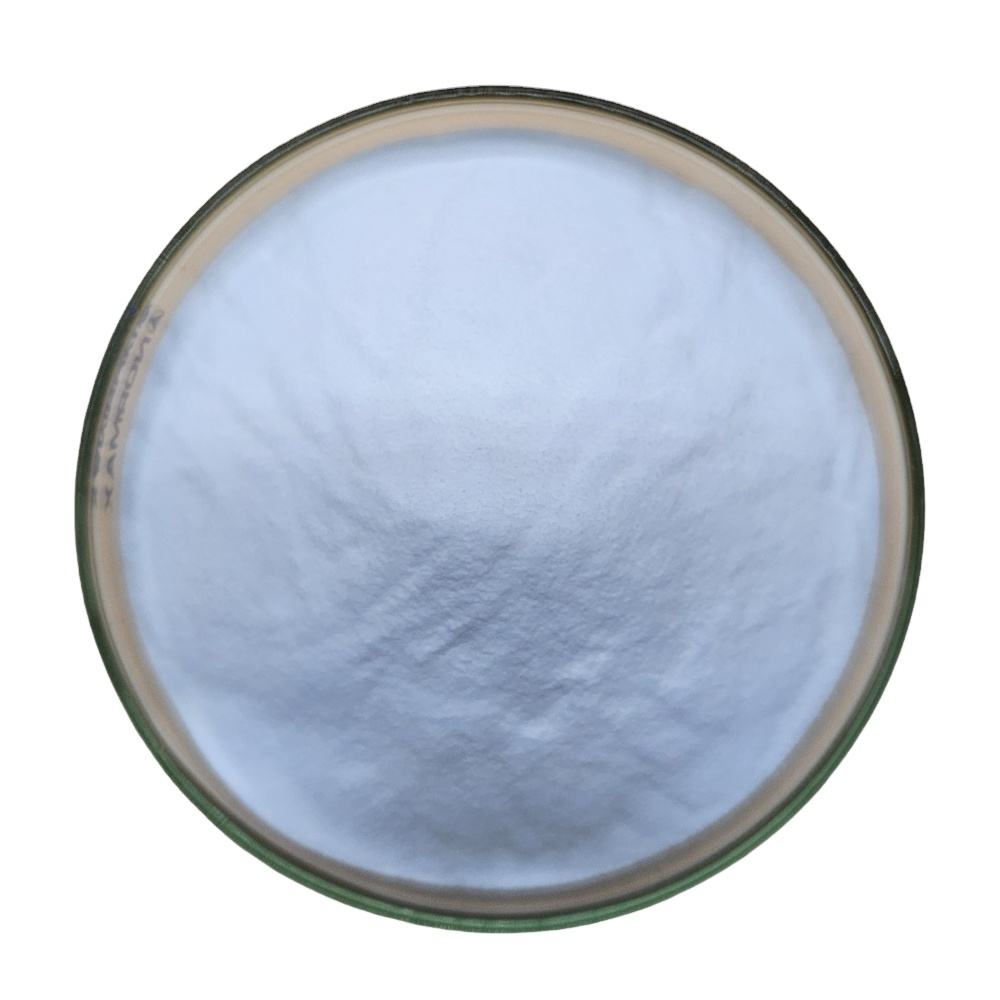
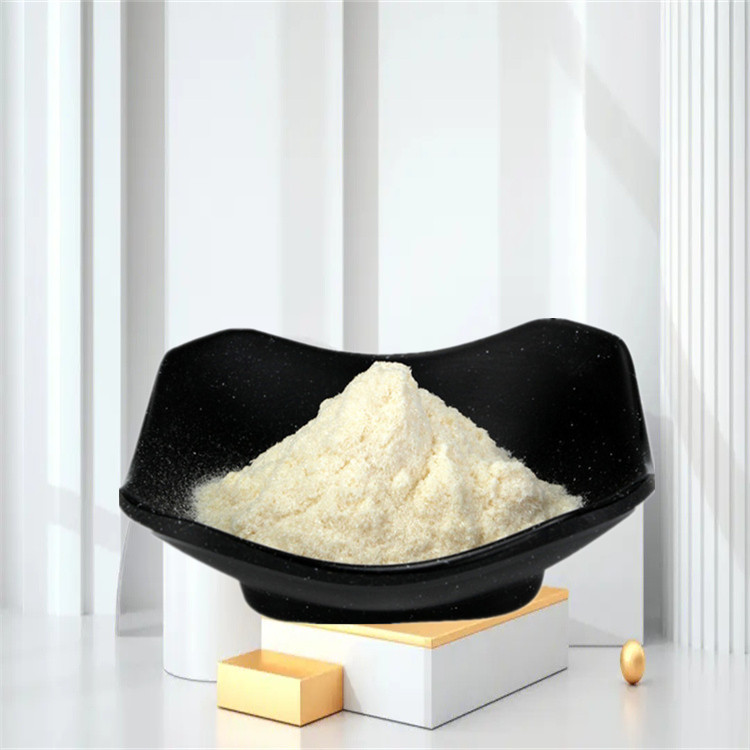
| Appearance | Colorless prismatic crystals or powder form supplied according to grade |
| Grade | Typically supplied as 99% grade |
| Synonyms | 5-Hydroxy-2-hydroxymethyl-4-pyrone; Kojic Acid Powder |
- Melting Point: Commonly reported in the range of 152–155°C.
- Solubility: Readily soluble in water, alcohol, and acetone; limited solubility may apply in some organic solvents.
- Stability: Storage should avoid strong light, high heat, and oxidizing materials. The product may discolor under unsuitable storage conditions.
Kojic Acid is commonly applied in cosmetic and personal care formulations where brightening-oriented positioning is required.
- Brightening creams, gels, and lotion systems
- Tone-evening facial care formulations
- Topical cosmetic systems positioned for uneven skin tone appearance
- Formulation programs where kojic acid is selected as a functional personal care ingredient
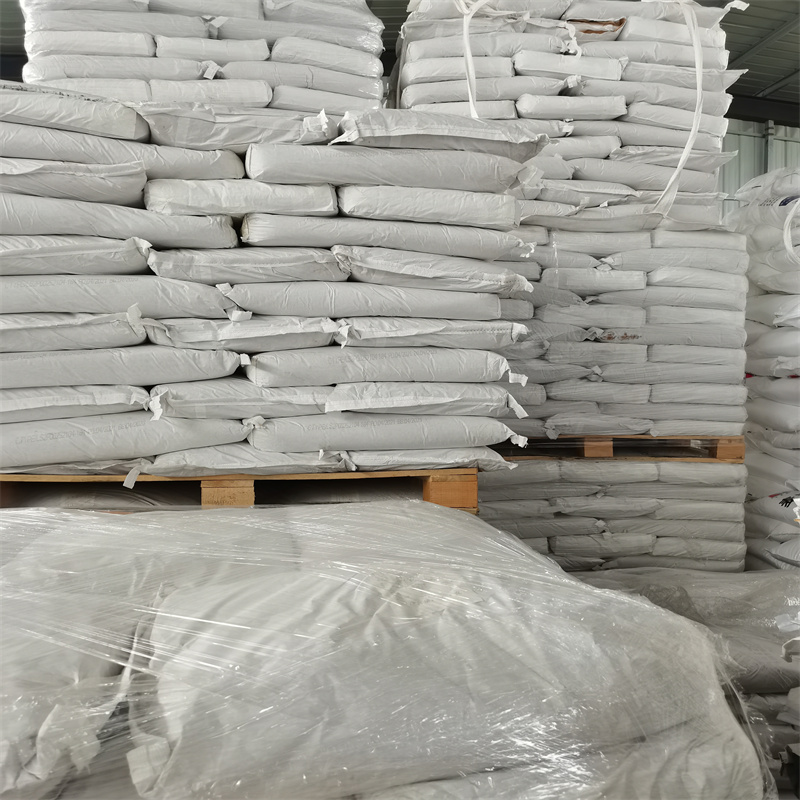
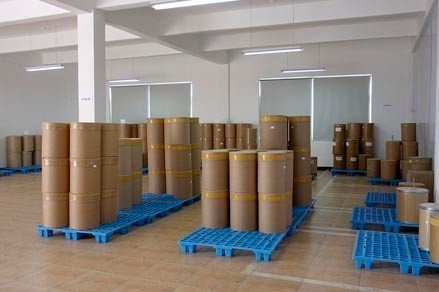
Standard packaging shown for this product includes 1 kg bags and 25 kg drums. Packaging information may vary according to grade and supply arrangement.
Store in a cool, dry, and dark place. Keep the container tightly sealed and protected from moisture, excessive heat, and direct light exposure.
Segregated storage away from oxidizing substances is recommended. When stored under suitable conditions, shelf life is commonly indicated as up to 2 years according to the source page.
Handling should follow standard chemical raw material procedures. Avoid direct skin contact, eye contact, and inhalation of dust during transfer or formulation work.
Suitable protective equipment should be used during handling. Technical documents such as COA, TDS, and SDS may be provided according to the supplied grade.
Kojic Acid is supplied mainly for cosmetic and personal care formulation use, especially in brightening and tone-evening topical systems.
Yes. These names refer to the same product identity associated with CAS 501-30-4.
It is generally supplied in powder or crystalline form according to the production grade and packaging specification.
The source page lists 1 kg bags and 25 kg drums as common packaging options. Final packaging may vary by order and grade.
Cool, dry, sealed, and light-protected storage is preferred. Exposure to heat, moisture, and strong light should be avoided.
Yes. The source material positions it for cosmetic formulation use, particularly in topical systems within the personal care sector.
Technical documents such as COA, TDS, and SDS may be provided according to the supplied grade and shipment arrangement.
FAQ - Technical & Supply Chain
-
Q:
Is kojic acid intended for cosmetic formulation use?
A: It is commonly used as a functional ingredient in cosmetic formulations where controlled interaction within topical systems is required.
Documents and Product Support
For product review and sourcing evaluation, supporting documents can be coordinated according to the product type, inquiry stage, and order requirements.
- COA for batch-based quality reference
- TDS for key physical and chemical information
- SDS / MSDS for handling, storage, and safety reference
- Packing information for sample, trial, and bulk orders
- Technical communication based on application and specification requirements
Information to Confirm Before Quotation
Clear sourcing information helps reduce specification mismatch and allows a more accurate quotation before sample or bulk order discussion.
- Product name and CAS number
- Application or intended end use
- Required purity, grade, or specification
- Sample quantity, trial order, or bulk demand
- Preferred packing form or net weight
- Destination country or port
- Required documents or compliance expectations
Packaging, Storage, and Handling Notes
Packaging form, storage conditions, shelf life, and shipment arrangements should be confirmed according to the product characteristics, package size, and destination requirements.
Before order confirmation, buyers are advised to review the corresponding product documents and confirm whether any special storage, labeling, or handling requirements apply.
Sample, Bulk Order and Repeat Supply Support
Support can be arranged for sample discussion, bulk supply planning, packaging confirmation, and routine sourcing communication based on the actual product and order requirements.
For repeat-use formulations or long-term procurement plans, buyers may discuss specification consistency, packaging preferences, delivery expectations, and document coordination in advance.