










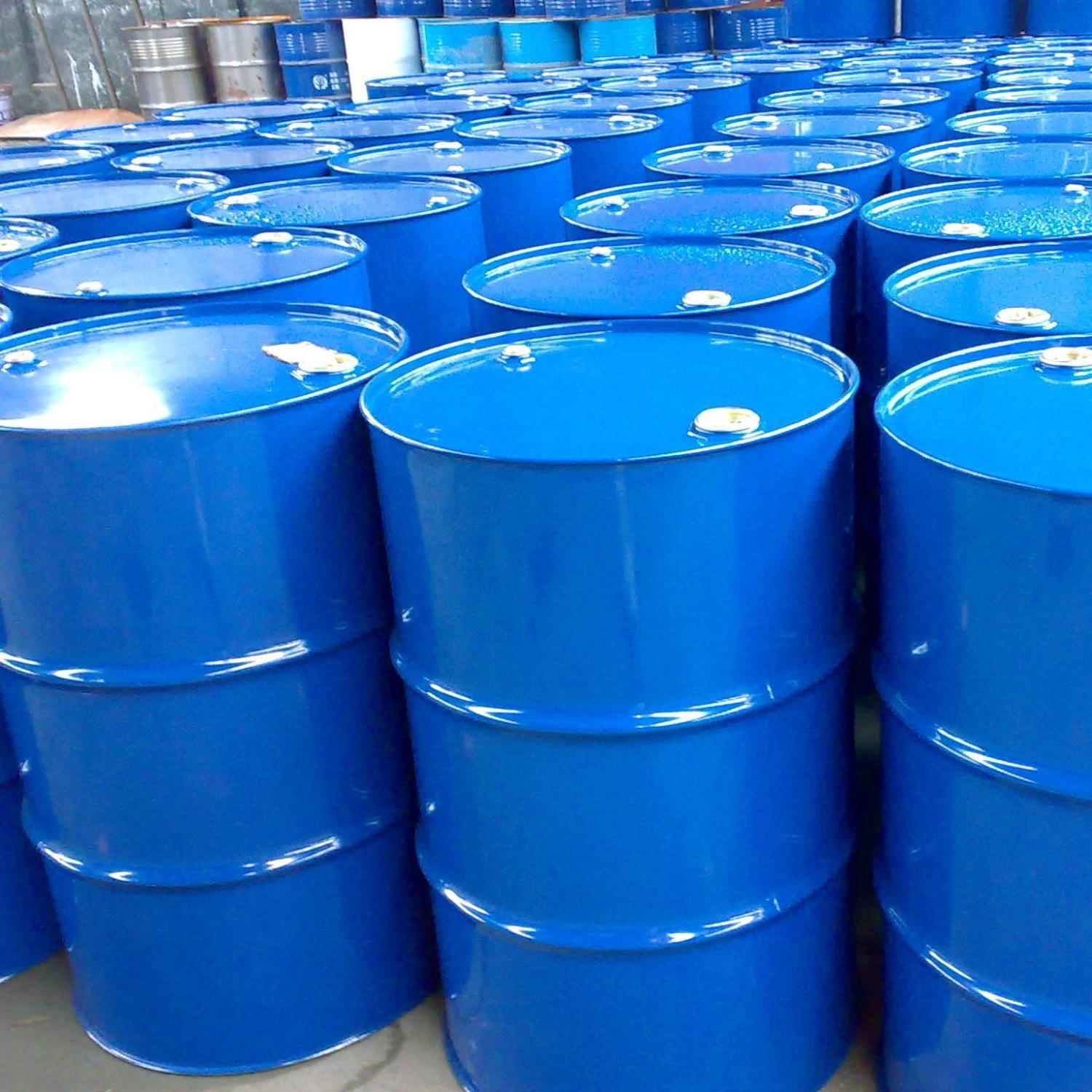
Butylene Glycol (CAS 107-88-0), chemically identified as 1,3-butanediol, is a high-purity aliphatic diol functioning as a superior humectant and solvent in cosmetic skin care formulation and topical pharmaceutical vehicles. This clear, odorless, and viscous liquid, widely technically recognized for its antimicrobial properties, acts to decrease viscosity and prevent the drying out of products, serving as a safer, less irritating alternative to Propylene Glycol in hypoallergenic serums, sheet masks, and herbal extracts. We provide bulk supply of this cosmetic grade ingredient with competitive factory pricing to ensure formulation safety for personal care brands. Our production process guarantees strict control over residual ketones, making MSDS, TDS, COA available alongside customized specifications to meet global cosmetic compliance standards.
Butylene Glycol CAS 107-88-0
- CAS: 107-88-0
- Synonyms: 1,3-Butanediol, 1,3-Butylene glycol, Butane-1,3-diol, Methyl trimethylene glycol, 1,3-Dihydroxybutane
- Einecs: 203-529-7
- Molecular Formula: C4H10O2
- Grade: Electron Grade, Industrial Grade, Medicine Grade
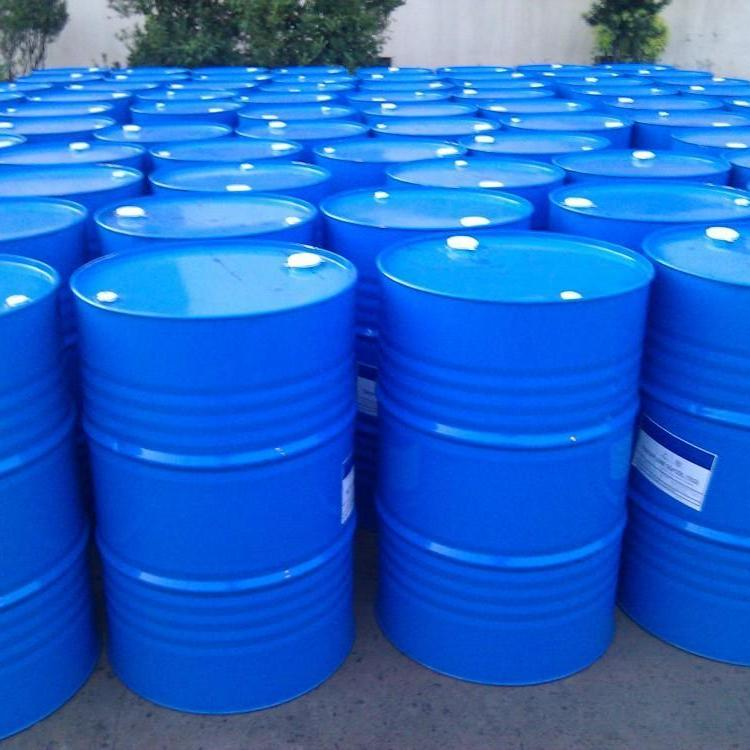
- Package: 200 kg galvanized drums or 1,000 kg IBC tanks; flexitank loading available for bulk orders
Product Description
Product Overview
Butylene Glycol (1,3-Butanediol, 1,3-Butylene Glycol) is a clear, colorless, low-odor diol used widely as a humectant, solvent and viscosity modifier in cosmetics, personal care and various industrial formulations. It offers excellent water solubility, good compatibility with surfactants and polymers, and helps improve skin feel, moisture retention and product stability.
📧 Email: info@industrochem.com – Contact us for COA, free samples and latest FOB China prices.
Physicochemical Properties
| Item | Typical Value |
|---|---|
| Chemical name | Butylene Glycol; 1,3-Butanediol; 1,3-Butylene Glycol |
| CAS No. | 107-88-0 |
| EINECS / EC No. | 203-529-7 |
| Molecular formula | C₄H₁₀O₂ |
| Molecular weight | 90.12 g/mol |
| Appearance | Colorless, clear, viscous liquid, practically odorless |
| Assay (GC) | ≥99.5% (1,3-Butylene Glycol) |
| Water content | ≤0.5% (w/w) |
| Color (Pt-Co) | ≤10 (Hazen) |
| Density (20 °C) | 1.00–1.01 g/cm³ |
| Refractive index (n²⁰ᴰ) | 1.4390–1.4410 |
| Boiling point | ~203–207 °C at 101.3 kPa |
| Melting point | approx. −50 to −54 °C |
| Vapor pressure | ~0.06 mmHg at 20 °C |
| Flash point (closed cup) | ~108 °C |
| Solubility | Completely miscible with water, soluble in alcohols and glycols; low solubility in hydrocarbons |
| Stability | Stable under normal storage and handling conditions |
(Typical data – not to be used as a guaranteed specification. Detailed COA is available on request.)
Applications
1. Cosmetics & Personal Care
- Humectant and moisturizing agent in lotions, creams, serums, masks and cleansers
- Solvent and carrier for preservatives, actives and fragrances
- Viscosity modifier and freeze-thaw stabilizer in water-based formulations
- Helps improve skin feel and reduces tackiness of high-glycerin systems
2. Home & Industrial Cleaners
- Solvent and coupling agent in water-based cleaners and detergents
- Improves stability and clarity of surfactant systems
3. Industrial & Chemical Uses
- Intermediate in the synthesis of plasticizers, resins and specialty chemicals
- Auxiliary solvent in ink, coating and adhesive formulations
4. Flavor & Food-Related Uses
- Listed as a flavoring substance and solvent in some flavor applications (subject to local food regulations and purity requirements).
For detailed application discussion or formulation advice, please email info@industrochem.com with your end-use and target specifications.
Storage Conditions
- Store in a cool, dry, well-ventilated warehouse, away from direct sunlight and heat sources.
- Recommended storage temperature: 5–30 °C.
- Keep containers tightly closed; product is hygroscopic and can absorb moisture from air.
- Keep away from strong oxidizing agents, acid chlorides, acid anhydrides and strong reducing agents.
Under proper storage conditions, shelf life is typically 12–24 months in original unopened packaging.
Safety Precautions
- Generally considered to have low acute toxicity; however, direct contact may cause mild eye or skin irritation.
- Avoid breathing mists; use local exhaust ventilation in large-scale operations.
- Wear safety goggles, protective gloves and protective clothing during handling.
- In case of eye contact: rinse cautiously with water for several minutes; seek medical attention if irritation persists.
- In case of skin contact: wash with soap and water.
- Spills: contain and absorb with inert material (sand, diatomite), then collect in suitable containers for disposal.
- Although the flash point is relatively high, Butylene Glycol is still a combustible organic liquid – keep away from open flames, hot surfaces and sources of ignition.
For full SDS and regulatory information, please request a copy via
FAQ - Technical & Supply Chain
-
Q:
How does the solvent capability of Butylene Glycol (CAS 107-88-0) enhance the efficacy of botanical extraction processes?
A: Due to its unique polarity profile, this diol effectively penetrates plant cellular structures to dissolve and extract a wider range of active phytochemicals than water alone, while simultaneously acting as a carrier that prevents the extracted actives from precipitating out of the final solution. -
Q:
In terms of formulation preservation, what secondary benefit does this humectant provide beyond hydration?
A: When incorporated at concentrations generally above 5%, Butylene Glycol exhibits significant bacteriostatic activity; this property allows formulators to reduce the dosage of traditional, potentially irritating preservatives (like parabens or phenoxyethanol) while maintaining the product's microbiological stability.
Documents and Product Support
For product review and sourcing evaluation, supporting documents can be coordinated according to the product type, inquiry stage, and order requirements.
- COA for batch-based quality reference
- TDS for key physical and chemical information
- SDS / MSDS for handling, storage, and safety reference
- Packing information for sample, trial, and bulk orders
- Technical communication based on application and specification requirements
Information to Confirm Before Quotation
Clear sourcing information helps reduce specification mismatch and allows a more accurate quotation before sample or bulk order discussion.
- Product name and CAS number
- Application or intended end use
- Required purity, grade, or specification
- Sample quantity, trial order, or bulk demand
- Preferred packing form or net weight
- Destination country or port
- Required documents or compliance expectations
Packaging, Storage, and Handling Notes
Packaging form, storage conditions, shelf life, and shipment arrangements should be confirmed according to the product characteristics, package size, and destination requirements.
Before order confirmation, buyers are advised to review the corresponding product documents and confirm whether any special storage, labeling, or handling requirements apply.
Sample, Bulk Order and Repeat Supply Support
Support can be arranged for sample discussion, bulk supply planning, packaging confirmation, and routine sourcing communication based on the actual product and order requirements.
For repeat-use formulations or long-term procurement plans, buyers may discuss specification consistency, packaging preferences, delivery expectations, and document coordination in advance.


