









• Propylene glycol CAS 57-55-6

Propylene glycol CAS 57-55-6

Propylene Glycol (CAS 57-55-6), chemically identified as 1,2-propanediol, is a versatile aliphatic alcohol functioning as a solvent, humectant, and heat transfer medium in industrial functional fluid formulation and polymer production. This clear, viscous liquid, also technically referred to as 1,2-dihydroxypropane or methylethyl glycol, serves as a critical intermediate in the synthesis of unsaturated polyester resins and acts as a safe antifreeze agent in cooling systems where low toxicity is required. We provide bulk supply of this industrial raw material with competitive factory pricing to support diverse manufacturing sectors. Our logistics network ensures reliable delivery, making MSDS, TDS, COA available alongside customized specifications to meet specific purity or grade requirements.

  • CAS: 57-55-6
  • Synonyms: 1,2-propanediol, 1,2-dihydroxypropane, methylethyl glycol, alpha-propylene glycol, monopropylene glycol
  • Einecs: 200-338-0
  • Molecular Formula: C3H8O2
  • Grade: Industrial / Technical / USP / Food grade
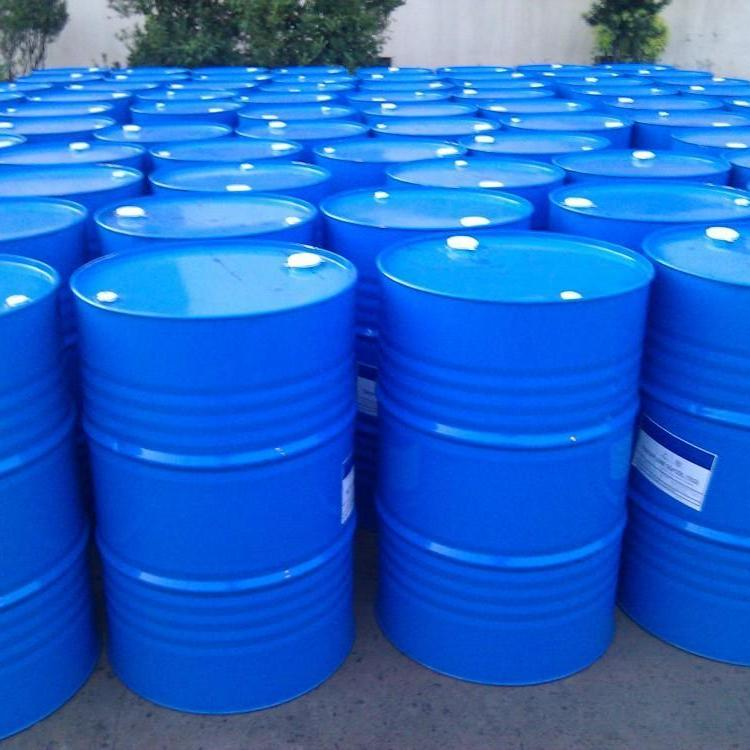
  • Package: 215 kg steel drums, 1,050–1,100 kg IBC tanks, or bulk / ISO tank as required
Request a quote
Share:

Product Description

Propylene glycol (PG) is a clear, nearly odorless, hygroscopic liquid widely used as a solvent, humectant and intermediate in food, pharmaceutical, cosmetic and industrial formulations. Anhui HC-T / IndustroChem supplies propylene glycol with stable quality, competitive factory prices and full technical support for international customers.

📧 Email: info@industrochem.com – Contact our team for the latest bulk price, COA and sample support.

Physicochemical Properties

ItemValue / Specification*
Chemical namePropylene glycol
CAS No.57-55-6
Einecs No.200-338-0
Molecular formulaC₃H₈O₂
Molecular weight76.09 g/mol
GradeIndustrial / Technical / USP / Food grade (on request)
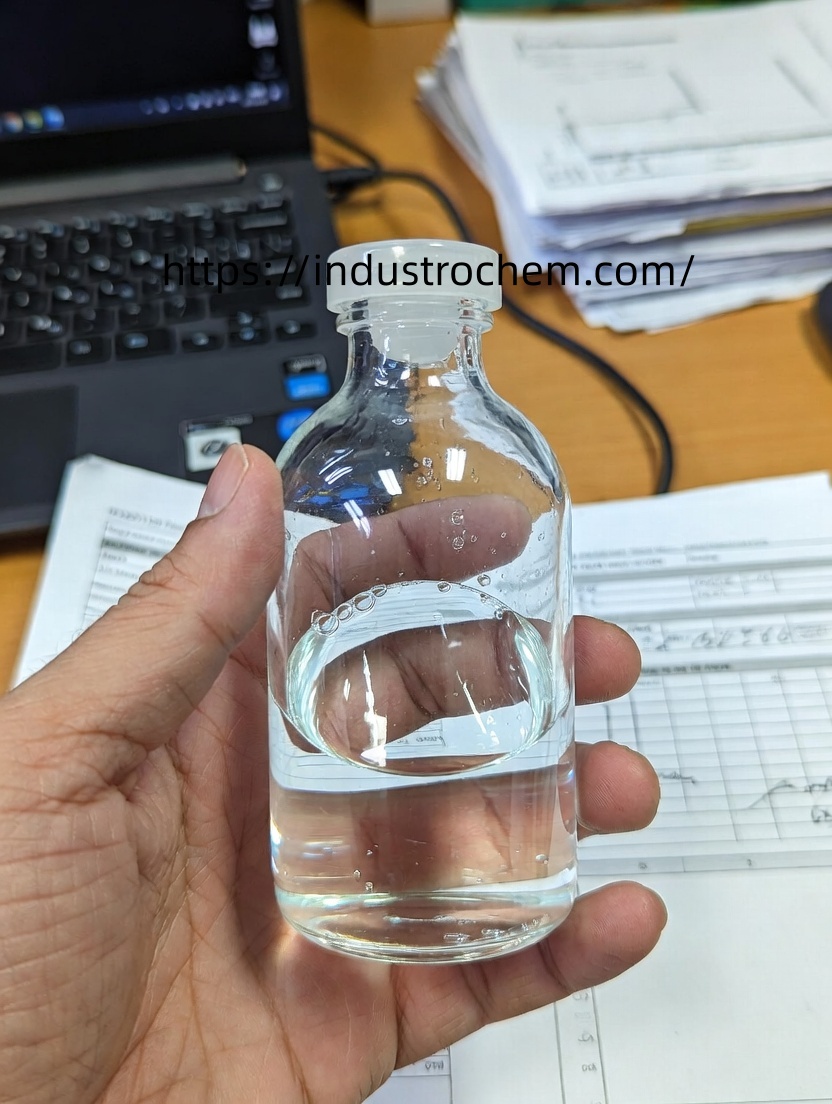
AppearanceColorless, transparent, almost odorless viscous liquid
Assay (propylene glycol)≥ 99.5 wt%
Water content≤ 0.2 wt%
Color (Pt–Co)≤ 10
Density (20 °C)1.035–1.040 g/cm³
Boiling point (101.3 kPa)188–189 °C
Melting pointapprox. −59 °C
Flash point (closed cup)approx. 99 °C
Refractive index (n²⁰ᴰ)1.431–1.433
SolubilityMiscible with water, ethanol, acetone; low in many oils

Applications

1. Food & Flavor Industry

  • Used as a humectant and solvent in food, flavors and fragrances
  • Carrier for colorants, antioxidants and other functional additives
  • Helps improve texture, moisture retention and stability in many processed foods

2. Pharmaceutical & Personal Care

  • Widely used as an excipient in oral, topical and injectable formulations
  • Solvent and co-solvent for active ingredients with limited water solubility
  • Moisturizing agent in skin-care, hair-care, toothpaste, mouthwash and other products
  • Good skin feel and compatibility with typical cosmetic ingredients

3. Industrial Chemicals & Resins

  • Important intermediate for unsaturated polyester resins, plasticizers and surfactants
  • Used in coatings, inks and cleaning agents as a low-volatility solvent
  • Component in various chemical formulations requiring high purity glycols

4. Deicing & Heat Transfer Fluids

  • Base fluid for aircraft deicing liquids, automotive antifreeze (low-toxicity grade)
  • Heat transfer medium in HVAC, solar systems, industrial cooling loops
  • Offers a safer alternative to ethylene glycol where lower toxicity is required

5. Other Uses

  • Humectant and softener in tobacco, paper and textiles
  • Carrier in agrochemical formulations and household products

If you have a special application, our technical team can help verify compatibility and recommend a suitable grade and specification.


Storage Conditions

  • Store in a cool, dry and well-ventilated warehouse
  • Keep containers tightly closed to avoid moisture uptake and contamination
  • Recommended storage temperature: 5–40 °C
  • Protect from direct sunlight, heat sources and ignition sources
  • Keep away from strong oxidizing agents and strong acids
  • Use carbon steel or stainless steel tanks, drums or IBCs with proper inner coating if needed

Under proper storage, propylene glycol remains stable for an extended period; please follow the shelf life and storage advice on the COA/label.


Safety Precautions

Propylene glycol is generally considered to have low acute toxicity, but correct handling is still essential in industrial environments:

  • Avoid direct contact with eyes and prolonged contact with skin
    • Wear appropriate gloves, goggles and work clothing
  • Provide adequate ventilation when handling large volumes or heated product
  • Prevent formation of fine mist or aerosols; avoid inhalation of vapors/mist
  • In case of eye contact: rinse with plenty of water for at least 15 minutes and seek medical advice if irritation persists
  • In case of skin contact: wash with soap and water; remove contaminated clothing
  • In case of accidental ingestion: rinse mouth and seek medical attention if needed
image 3

FAQ - Technical & Supply Chain

  • Q:

    How is Propylene Glycol (CAS 57-55-6) chemically distinguished from Ethylene Glycol?

    A: Chemically, Propylene Glycol contains an extra methyl group compared to Ethylene Glycol; practically, this structural difference makes Propylene Glycol significantly less toxic, rendering it the preferred choice for applications involving potential incidental contact or environmental exposure.
  • Q:

    What is the primary role of this chemical in unsaturated polyester resin (UPR) manufacturing?

    A: In the UPR industry, Propylene Glycol is intended for use as the glycol backbone during the polycondensation process, providing the resulting resin with flexibility and resistance to water absorption.
Documents

Documents and Product Support

For product review and sourcing evaluation, supporting documents can be coordinated according to the product type, inquiry stage, and order requirements.

  • COA for batch-based quality reference
  • TDS for key physical and chemical information
  • SDS / MSDS for handling, storage, and safety reference
  • Packing information for sample, trial, and bulk orders
  • Technical communication based on application and specification requirements
Quotation

Information to Confirm Before Quotation

Clear sourcing information helps reduce specification mismatch and allows a more accurate quotation before sample or bulk order discussion.

  • Product name and CAS number
  • Application or intended end use
  • Required purity, grade, or specification
  • Sample quantity, trial order, or bulk demand
  • Preferred packing form or net weight
  • Destination country or port
  • Required documents or compliance expectations
Storage & Handling

Packaging, Storage, and Handling Notes

Packaging form, storage conditions, shelf life, and shipment arrangements should be confirmed according to the product characteristics, package size, and destination requirements.

Before order confirmation, buyers are advised to review the corresponding product documents and confirm whether any special storage, labeling, or handling requirements apply.

Supply Support

Sample, Bulk Order and Repeat Supply Support

Support can be arranged for sample discussion, bulk supply planning, packaging confirmation, and routine sourcing communication based on the actual product and order requirements.

For repeat-use formulations or long-term procurement plans, buyers may discuss specification consistency, packaging preferences, delivery expectations, and document coordination in advance.

Contact Form

Use our contact form to send us your questions, suggestions or comments. We will respond as soon as possible.