











• Sodium Lactate CAS 72-17-3
  • Sodium Lactate CAS 72-17-3

Sodium Lactate CAS 72-17-3

Sodium Lactate (CAS 72-17-3), typically supplied as a 60% aqueous solution, is the sodium salt of lactic acid produced via fermentation of sugar sources, utilized primarily as a broad-spectrum preservative and humectant in meat processing and cosmetic formulations. This clear, viscous Sodium 2-hydroxypropionate liquid functions as a potent bacteriostatic agent, significantly extending shelf life in processed meats by inhibiting Listeria and Salmonella growth while enhancing moisture retention. In the personal care sector, it acts as a superior Natural Moisturizing Factor (NMF) component, providing higher water-holding capacity than glycerin and serving as a critical E325 pH buffering agent in soaps and lotions. We provide this food-grade and cosmetic-grade material with competitive factory pricing to support food manufacturing and skincare production, ensuring bulk supply availability for IBC tote or drum delivery. Our facility accommodates customized specifications for concentration (60% standard) and optical purity (L-isomer), while every shipment is fully documented with MSDS, TDS, COA files to meet FDA and EU regulatory standards.

  • CAS: 72-17-3
  • Synonyms: Sodium 2-hydroxypropionate, Lactic acid sodium salt, E325, Sodium-L-lactate, 2-Hydroxypropanoic acid sodium salt
  • Einecs: 200-772-0
  • Molecular Formula: C3H8O2
  • Grade: Food Grade / Cosmetic Grade / Pharma-Intermediate Grade (customizable)
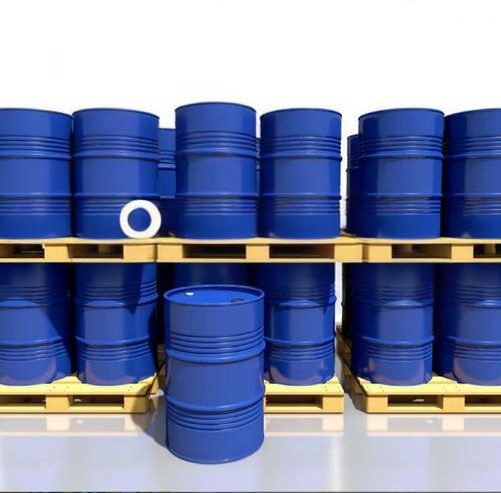
  • Package: 25 kg / 250 kg plastic drums (liquid) 25 kg bags / fiber drums (powder or concentrated form, if required)
Request a quote
Share:

Product Description

Sodium Lactate is the sodium salt of lactic acid, widely used as a humectant, buffering agent, and pH regulator in food, cosmetics, pharmaceuticals, and industrial formulations. It offers excellent water-holding capacity, mild alkalinity, and good compatibility with a wide range of ingredients.

For the latest specification, price and COA/MSDS, please contact us directly:
📧 Email: info@industrochem.com

Physicochemical Properties

ItemSpecification (Typical Values)
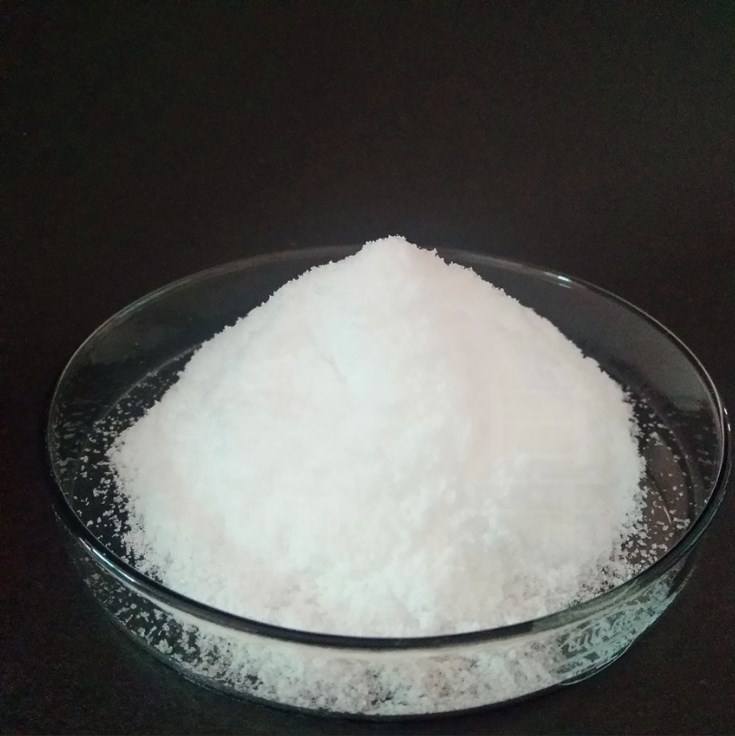
AppearanceClear, colorless to slightly yellow liquid
Assay (as Sodium Lactate)≥ 60.0% (or as per contract specification)
Lactic Acid ContentTypically 80–90% basis of organic fraction
pH (20 °C, as supplied)Approx. 6.5 – 8.5
Density (20 °C)Approx. 1.30 – 1.35 g/cm³
SolubilityCompletely miscible with water
OdorSlight, characteristic
Sodium ContentIn accordance with stoichiometry
Heavy MetalsMeets food / cosmetic grade limits
Appearance of SolutionClear, free from visible impurities

Applications

1. Food Industry

  • Preservation & Shelf-Life Extension:
    Improves microbial stability in processed meat, poultry, and seafood; helps inhibit certain spoilage bacteria and supports cleaner labeling when used together with other preservation systems.
  • Flavor & Texture Adjustment:
    Acts as a mild buffering agent to stabilize pH and support consistent taste in sauces, beverages and bakery products; contributes to better water retention in meat products, improving juiciness and yield.
  • Mineral Source:
    Provides sodium and organic acid in a bioavailable form, suitable for fortified formulations where controlled sodium content is required.

2. Cosmetics & Personal Care

  • Humectant / Moisturizing Agent:
    Enhances skin hydration by binding water in the stratum corneum; commonly used in lotions, creams, serums, body washes, and liquid soaps.
  • pH Regulator & Buffer:
    Helps maintain mild, skin-friendly pH in formulations, improving product stability and skin comfort.
  • Synergistic Performance Ingredient:
    Can be combined with other moisturizers and active ingredients to build cost-effective, multifunctional personal care formulas.

3. Pharmaceutical & Healthcare

  • Excipient / Buffering Agent:
    Used as a component in certain pharmaceutical and healthcare preparations where organic salts are required for pH control and isotonicity adjustments (subject to local pharmacopeial and regulatory requirements).

4. Industrial & Technical Uses

  • Corrosion Inhibitor Component:
    Suitable for some industrial cleaning or metal treatment formulations where organic salts are preferred for environmental or performance reasons.
  • Intermediate / Process Aid:
    Can be used as an organic sodium salt in various synthesis processes or as a process aid in fermentation and biochemical production lines.

Storage Conditions

  • Store in tightly closed containers to avoid contamination and moisture uptake.
  • Recommended storage temperature: 10–30 °C, away from direct sunlight and heat sources.
  • Keep in a cool, dry, well-ventilated warehouse, protected from freezing and extreme temperatures.
  • Avoid contact with strong oxidizing agents and strong acids.
  • Under proper storage conditions, the product maintains its quality for the shelf life specified on the COA / label. For detailed shelf-life information, please refer to the lot-specific documentation.

Safety Precautions

  • Sodium Lactate is generally considered to have a favorable safety profile when handled according to standard industrial hygiene practices.
  • Avoid direct contact with eyes and prolonged contact with skin. In case of contact, rinse immediately with plenty of water.
  • Do not ingest the industrial product directly. For accidental ingestion, rinse mouth and seek medical advice if necessary.
  • Use appropriate PPE during handling: safety glasses, gloves, and protective clothing as required by your plant’s safety rules.
  • Ensure adequate ventilation in the working area to minimize exposure to aerosols or mists.
  • Refer to the latest Safety Data Sheet (SDS/MSDS) for detailed information on hazards, first aid measures, fire-fighting measures, accidental release measures, and handling & storage recommendations.

For specific regulatory status in your country/region (food, cosmetic or pharma use), please contact our technical sales team.

📧 For COA, MSDS, TDS and quotation, please email: info@industrochem.com

image 2

FAQ - Technical & Supply Chain

  • Q:

    How does CAS 72-17-3 differ from CAS 50-70-4?

    A: CAS 72-17-3 identifies Sodium Lactate (a salt of lactic acid used for preservation and moisturizing), whereas CAS 50-70-4 identifies Sorbitol (a sugar alcohol sweetener/humectant). They are distinct chemical entities.
  • Q:

    Is this ingredient safe for use in food products?

    A: Yes, Sodium Lactate is designated as "Generally Recognized as Safe" (GRAS) by the FDA and is registered as food additive E325 in Europe, widely used in meat, poultry, and bakery products.
Documents

Documents and Product Support

For product review and sourcing evaluation, supporting documents can be coordinated according to the product type, inquiry stage, and order requirements.

  • COA for batch-based quality reference
  • TDS for key physical and chemical information
  • SDS / MSDS for handling, storage, and safety reference
  • Packing information for sample, trial, and bulk orders
  • Technical communication based on application and specification requirements
Quotation

Information to Confirm Before Quotation

Clear sourcing information helps reduce specification mismatch and allows a more accurate quotation before sample or bulk order discussion.

  • Product name and CAS number
  • Application or intended end use
  • Required purity, grade, or specification
  • Sample quantity, trial order, or bulk demand
  • Preferred packing form or net weight
  • Destination country or port
  • Required documents or compliance expectations
Storage & Handling

Packaging, Storage, and Handling Notes

Packaging form, storage conditions, shelf life, and shipment arrangements should be confirmed according to the product characteristics, package size, and destination requirements.

Before order confirmation, buyers are advised to review the corresponding product documents and confirm whether any special storage, labeling, or handling requirements apply.

Supply Support

Sample, Bulk Order and Repeat Supply Support

Support can be arranged for sample discussion, bulk supply planning, packaging confirmation, and routine sourcing communication based on the actual product and order requirements.

For repeat-use formulations or long-term procurement plans, buyers may discuss specification consistency, packaging preferences, delivery expectations, and document coordination in advance.

Contact Form

Use our contact form to send us your questions, suggestions or comments. We will respond as soon as possible.