










Fumaric Acid, chemically identified as trans-butenedioic acid (CAS 110-17-8), is a crystalline dicarboxylic acid that functions as a fundamental chemical intermediate in industrial polymerization and esterification processes. This organic compound, also technically referred to as (E)-butenedioic acid or allomaleic acid, serves as a structural building block in unsaturated polyester resin synthesis, imparting hardness and chemical resistance to the polymer matrix, and is frequently utilized in the production of alkyd resins and paper sizing agents. We provide bulk supply of this industrial material with competitive factory pricing to support large-scale manufacturing requirements. Our distribution framework ensures full compliance and technical transparency, making MSDS, TDS, COA available alongside customized specifications to match precise formulation parameters.
Fumaric Acid CAS 110-17-8
- CAS: 110-17-8
- Synonyms: trans-butenedioic acid, (E)-butenedioic acid, allomaleic acid, boletic acid, 1,2-ethylenedicarboxylic acid
- Einecs: 203-743-0
- Molecular Formula: C4H4O4
- Grade: Industrial Grade / Food Grade
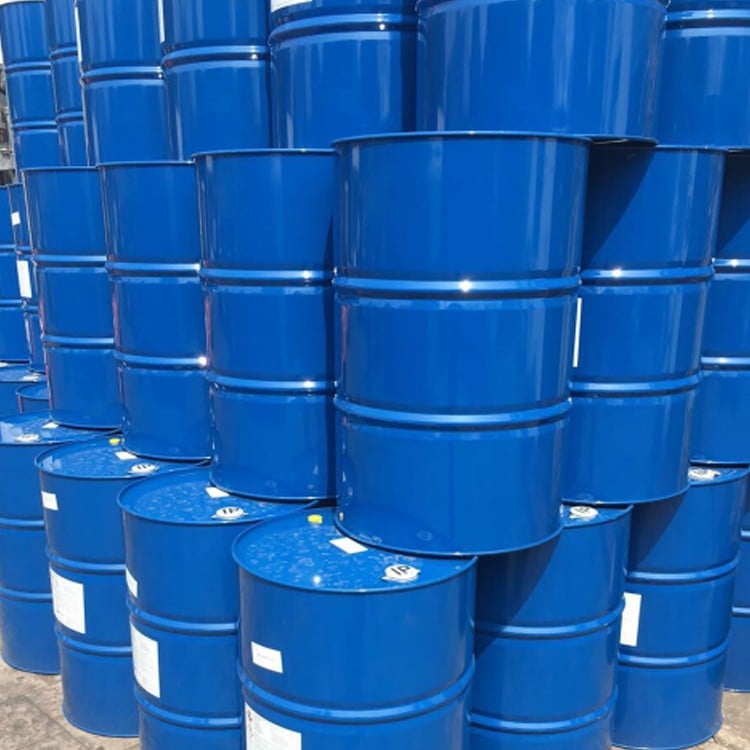
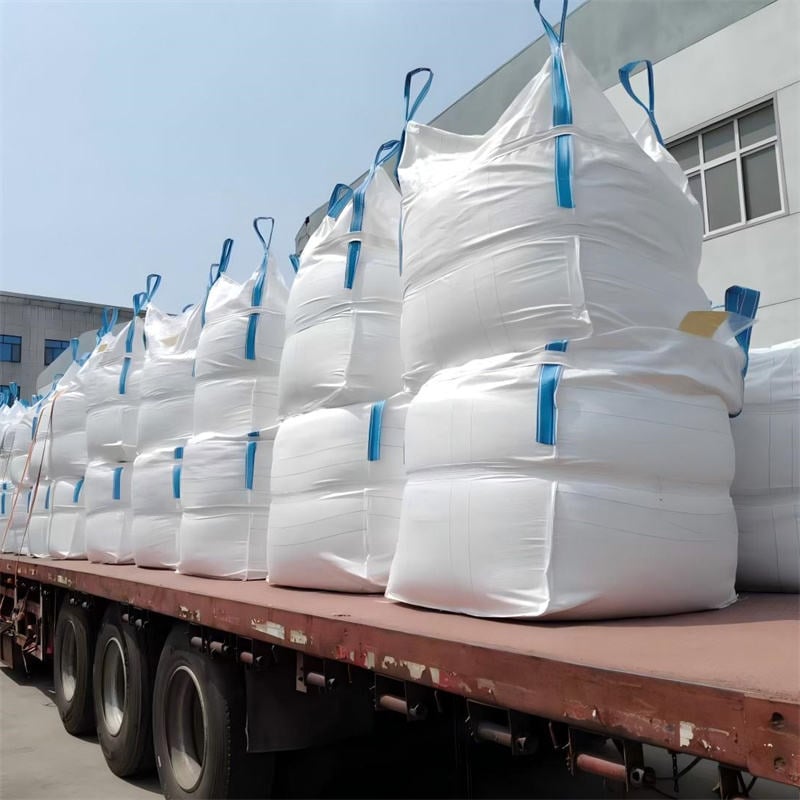
- Package: 25 kg / Drum or 1 kg / Bag
Product Description
Fumaric Acid, also known as trans-butenedioic acid, is a naturally occurring compound commonly used in the food industry as an acidulant, as well as in the production of resins and plastics. It is a white crystalline powder with a sour taste and is widely used in food and beverages to impart tartness. The substance plays a crucial role in chemical synthesis and is used in the manufacturing of unsaturated polyester resins, which are important for making fiberglass products.
Physicochemical Properties
| Property | Value |
|---|---|
| Molecular Weight | 116.07 g/mol |
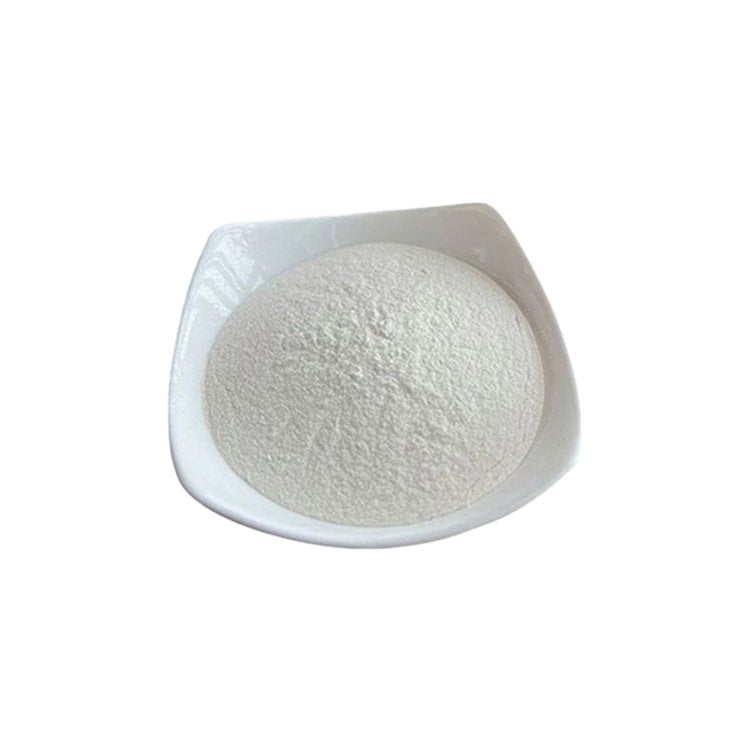
| Appearance | White Crystalline Powder |
| Melting Point | 287–290°C |
| Boiling Point | 413°C |
| Solubility in Water | Soluble (0.75g/100ml at 20°C) |
| Density | 1.63 g/cm³ |
Applications
- Food & Beverage Industry: Used as an acidulant in the production of soft drinks, fruit juices, and confectioneries to enhance flavor.
- Pharmaceuticals: Used in the manufacture of certain medications and as a food additive.
- Polyester Resins: Commonly used in the production of unsaturated polyester resins for fiberglass applications.
- Chemical Synthesis: Involved in the production of fumarates, which are utilized in various chemical processes.
Storage Conditions
- Storage Temperature: Store in a cool, dry place.
- Storage Container: Keep in tightly sealed containers.
- Shelf Life: Best used within 2 years from the manufacturing date.
- Avoid: Exposure to moisture, direct sunlight, and extreme temperatures.
Safety Precautions
- Personal Protection: Wear protective gloves and goggles when handling.
- Inhalation: Avoid inhaling dust; use a dust mask if necessary.
- Skin Contact: Wash thoroughly with soap and water after handling.
- Eyes: In case of eye contact, rinse immediately with plenty of water and seek medical attention.
- Storage & Disposal: Dispose of in accordance with local regulations.
FAQ - Technical & Supply Chain
-
Q:
How is Fumaric Acid (CAS 110-17-8) chemically distinguished from Maleic Acid?
A: Fumaric Acid is the trans-isomer of butenedioic acid, characterized by a higher melting point and lower solubility compared to Maleic Acid, which is the cis-isomer. -
Q:
What is the primary function of Fumaric Acid in resin formulations?
A: In the manufacturing of unsaturated polyester resins and alkyd resins, Fumaric Acid is typically intended for use as a polybasic acid component to increase the glass transition temperature and improve the mechanical strength of the cured polymer.
Documents and Product Support
For product review and sourcing evaluation, supporting documents can be coordinated according to the product type, inquiry stage, and order requirements.
- COA for batch-based quality reference
- TDS for key physical and chemical information
- SDS / MSDS for handling, storage, and safety reference
- Packing information for sample, trial, and bulk orders
- Technical communication based on application and specification requirements
Information to Confirm Before Quotation
Clear sourcing information helps reduce specification mismatch and allows a more accurate quotation before sample or bulk order discussion.
- Product name and CAS number
- Application or intended end use
- Required purity, grade, or specification
- Sample quantity, trial order, or bulk demand
- Preferred packing form or net weight
- Destination country or port
- Required documents or compliance expectations
Packaging, Storage, and Handling Notes
Packaging form, storage conditions, shelf life, and shipment arrangements should be confirmed according to the product characteristics, package size, and destination requirements.
Before order confirmation, buyers are advised to review the corresponding product documents and confirm whether any special storage, labeling, or handling requirements apply.
Sample, Bulk Order and Repeat Supply Support
Support can be arranged for sample discussion, bulk supply planning, packaging confirmation, and routine sourcing communication based on the actual product and order requirements.
For repeat-use formulations or long-term procurement plans, buyers may discuss specification consistency, packaging preferences, delivery expectations, and document coordination in advance.


