










Acetic Acid (CAS 64-19-7), predominantly supplied in its undiluted form as Glacial Acetic Acid (GAA), is a fundamental organic carboxylic acid functioning as a critical chemical intermediate and pH regulator in textile dyeing and finishing and the synthesis of vinyl acetate monomers (VAM). This clear, pungent liquid, chemically identified as ethanoic acid, serves as a powerful solvent in the production of terephthalic acid (PTA) for polyester manufacturing and acts as an acidification agent in industrial pickling processes. We provide bulk supply of this 99.85% min purity ingredient with competitive factory pricing to support the chemical, textile, and food industries. Our logistics team manages temperature-controlled transport to handle its specific freezing point, making MSDS, TDS, COA available alongside customized specifications for food grade (E260) or technical grade applications.
Glacial Acetic Acid CAS 64-19-7
- CAS: 64-19-7
- Synonyms: Glacial acetic acid, Ethanoic acid, GAA, Methane carboxylic acid, Vinegar acid (concentrated)
- Einecs: 200-580-7
- Molecular Formula: C₂H₄O₂
- Grade: Industrial Grade / Glacial Grade 99.5–99.8% Min (Food Grade on Request)
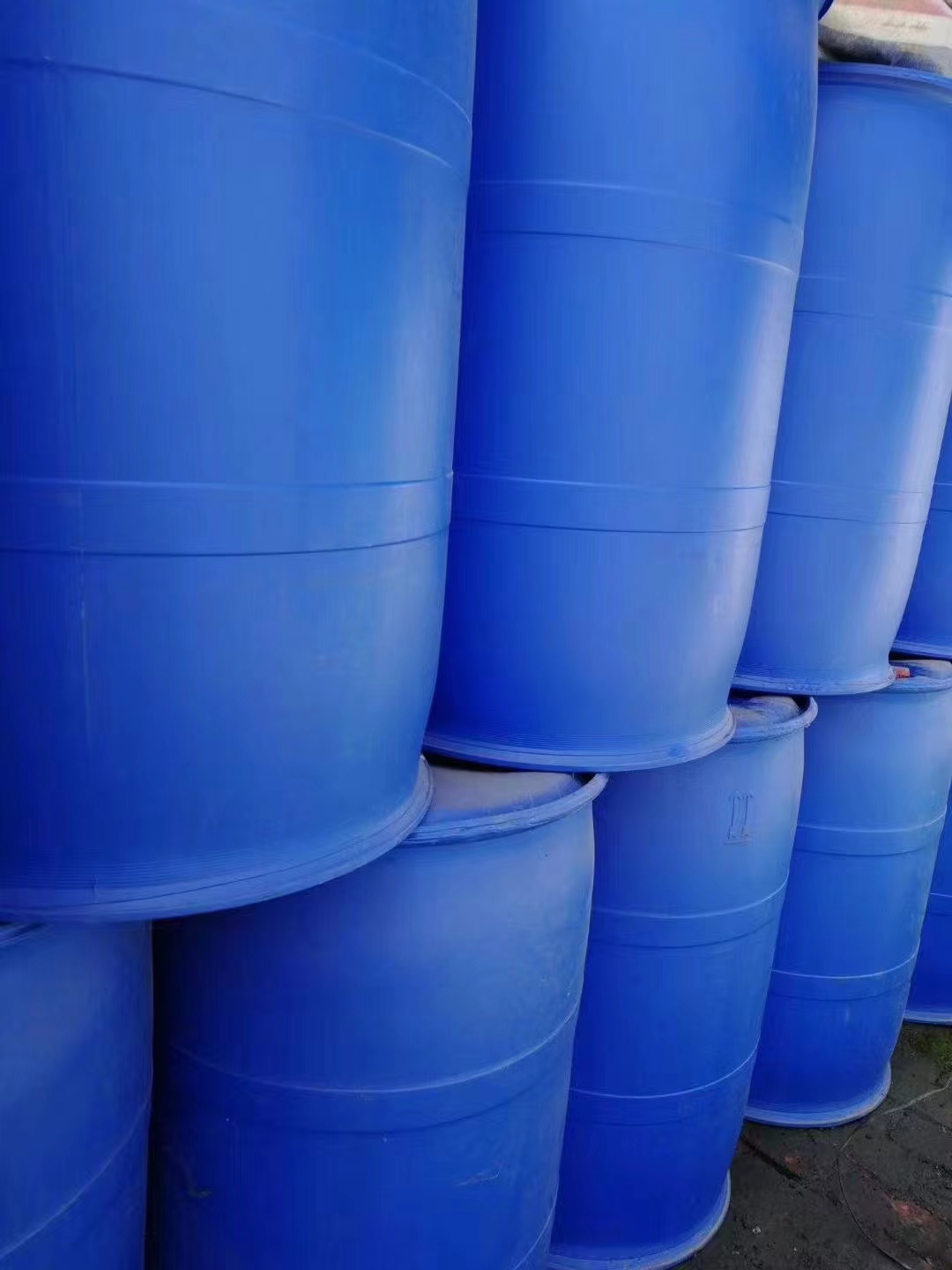
- Package: 25 kg / 30 kg HDPE drums 220 kg HDPE drums
Product Description
Product Overview
Acetic acid (also known as glacial acetic acid) is a colorless, corrosive liquid organic acid widely used in chemical synthesis, food additives, textile and leather processing, and many other industrial fields. Our acetic acid is produced with strict process control, featuring high purity, low impurity content and stable quality, suitable for both industrial and food-grade downstream applications.
📧 Email: info@industrochem.com – Contact us for the latest price, COA and sample availability.
Physicochemical Properties
| Item | Typical Value / Description |
|---|---|
| Chemical Name | Acetic Acid / Glacial Acetic Acid |
| CAS Number | 64-19-7 |
| EINECS Number | 200-580-7 |
| Molecular Formula | C₂H₄O₂ |
| Molecular Weight | 60.05 g/mol |
| Appearance | Colorless, clear liquid with strong pungent vinegar-like odor |
| Assay (Acetic Acid) | 99.5–99.8% min (typical: ≥ 99.8% for glacial grade) |
| Water Content | ≤ 0.20% |
| Formic Acid | ≤ 0.05% |
| Color (Pt-Co) | ≤ 10 |
| Freezing Point | ≥ 16.6 °C (pure acetic acid freezes around this temperature) |
| Boiling Point (101.3 kPa) | ~118 °C |
| Melting/Freezing Point | ~16.6–16.7 °C |
| Density (20 °C) | ~1.048 g/cm³ |
| Relative Vapor Density (air=1) | ~2.1 |
| Vapor Pressure (20 °C) | Low, increases with temperature |
| Flash Point (closed cup) | ~39–43 °C (flammable liquid, Class 3) |
| Auto-ignition Temperature | ~427 °C |
| pKa (at 25 °C, in water) | ~4.76 |
| Solubility | Miscible with water, ethanol, ether, many organic solvents |
| Odor Threshold | A few ppm in air (strong pungent odor) |
| Corrosivity | Corrosive to skin, eyes and many metals (especially in wet state) |
(Values are typical data for reference; detailed COA for each batch can be provided on request.)
Applications
1. Chemical & Industrial Synthesis
- Key raw material for production of vinyl acetate monomer (VAM), acetic anhydride, acetate esters (such as ethyl acetate, butyl acetate), and various organic solvents.
- Used as an important intermediate in pharmaceuticals, dyes, pesticides and fine chemicals.
2. Food & Beverage (Food Grade on Request)
- Used (in appropriate grade and dosage) as food acidity regulator, preservative, and flavoring agent in beverages, sauces, pickles and condiments.
- Production of food-grade acetate salts (such as sodium acetate, calcium acetate) for buffering and preservation functions.
3. Textile, Leather & Printing
- Employed in textile dyeing and printing processes as a pH regulator to improve dyestuff fixation and colorfastness.
- Used in leather tanning and finishing processes as acidifying agent.
4. Rubber, Plastics & Coatings
- Manufacturing of synthetic fibers, plasticizers, and polymer intermediates.
- As solvent or co-solvent in some resin, paint and coating formulations.
5. Water Treatment & Cleaning
- Used as pH adjusting agent and auxiliary in industrial water treatment.
- Ingredient in some cleaning agents, descaling solutions and metal surface treatment chemicals.
For special application scenarios (pharmaceutical, cosmetic or food-contact), please contact us for suitable grade selection and compliance documents.
Storage Conditions
To ensure safety and maintain product quality, acetic acid should be stored under the following conditions:
- Storage Environment:
- Store in a cool, dry and well-ventilated warehouse.
- Keep away from direct sunlight, heat sources, open flames and hot surfaces.
- Containers:
- Use dedicated HDPE drums, stainless-steel tanks or lined containers compatible with organic acids.
- Ensure containers are tightly closed to avoid moisture absorption and contamination.
- Segregation:
- Keep away from oxidizing agents, strong alkalis, strong bases, reactive metals and other incompatible substances.
- Do not store together with food or animal feed.
- Temperature:
- Recommended storage temperature: 15–30 °C.
- At low temperatures near/under 16 °C, acetic acid may solidify (“freezing”); warm gently and uniformly to re-melt, and mix thoroughly before use.
- Shelf Life:
- Under proper storage, typical shelf life is 12–24 months; please refer to the COA and label of each batch.
Safety Precautions
Acetic acid is a corrosive, flammable liquid and must be handled with proper safety measures:
- Personal Protection
- Wear chemical-resistant gloves, safety goggles or face shield, acid-resistant protective clothing and safety shoes.
- In case of insufficient ventilation, use appropriate respiratory protection (e.g., organic vapor respirator).
- Handling
- Avoid breathing vapors or mists; avoid contact with eyes, skin and clothing.
- Use in well-ventilated areas; install local exhaust ventilation where necessary.
- Do not eat, drink or smoke during handling; wash hands thoroughly after operation.
- Spill & Leak Response
- Small spills: absorb with inert materials (sand, vermiculite, diatomaceous earth), collect in suitable containers for disposal.
- Large spills: contain the spill, prevent it from entering drains and waterways; neutralize carefully with alkaline materials (e.g., sodium carbonate, sodium bicarbonate) under expert supervision.
- Fire Fighting
- Acetic acid vapors can form flammable mixtures with air; keep away from ignition sources.
- In case of fire, use alcohol-resistant foam, dry chemical powder, CO₂ or water spray for extinguishing.
- Firefighters should wear self-contained breathing apparatus and full protective gear.
- First Aid Measures
- Eye Contact: Immediately rinse with plenty of clean water for at least 15 minutes; seek medical attention.
- Skin Contact: Remove contaminated clothing, flush skin with water and mild soap; get medical help if irritation persists.
- Inhalation: Move the person to fresh air; keep warm and at rest. Seek medical attention if breathing is difficult.
- Ingestion: Rinse mouth with water (do not induce vomiting); seek immediate medical assistance.
Please refer to the Safety Data Sheet (SDS) for more detailed safety and regulatory information. SDS and COA can be provided after your inquiry.
FAQ - Technical & Supply Chain
-
Q:
Why does this chemical earn the industrial designation "Glacial" despite being a liquid at room temperature?
A: The term "Glacial" refers to the anhydrous (water-free) nature of the acid; because pure acetic acid has a relatively high freezing point of 16.6°C (61.9°F), it readily solidifies into ice-like crystals when ambient temperatures drop slightly, requiring heated storage or transportation during winter months. -
Q:
What metallurgical requirements are mandated for storage tanks holding this concentrated acid?
A: Due to its aggressive corrosivity towards carbon steel, storage systems and transfer piping must be constructed from high-grade Stainless Steel (316L) or specific high-density polyethylene (HDPE) to prevent structural failure and metallic contamination of the product.
Documents and Product Support
For product review and sourcing evaluation, supporting documents can be coordinated according to the product type, inquiry stage, and order requirements.
- COA for batch-based quality reference
- TDS for key physical and chemical information
- SDS / MSDS for handling, storage, and safety reference
- Packing information for sample, trial, and bulk orders
- Technical communication based on application and specification requirements
Information to Confirm Before Quotation
Clear sourcing information helps reduce specification mismatch and allows a more accurate quotation before sample or bulk order discussion.
- Product name and CAS number
- Application or intended end use
- Required purity, grade, or specification
- Sample quantity, trial order, or bulk demand
- Preferred packing form or net weight
- Destination country or port
- Required documents or compliance expectations
Packaging, Storage, and Handling Notes
Packaging form, storage conditions, shelf life, and shipment arrangements should be confirmed according to the product characteristics, package size, and destination requirements.
Before order confirmation, buyers are advised to review the corresponding product documents and confirm whether any special storage, labeling, or handling requirements apply.
Sample, Bulk Order and Repeat Supply Support
Support can be arranged for sample discussion, bulk supply planning, packaging confirmation, and routine sourcing communication based on the actual product and order requirements.
For repeat-use formulations or long-term procurement plans, buyers may discuss specification consistency, packaging preferences, delivery expectations, and document coordination in advance.


