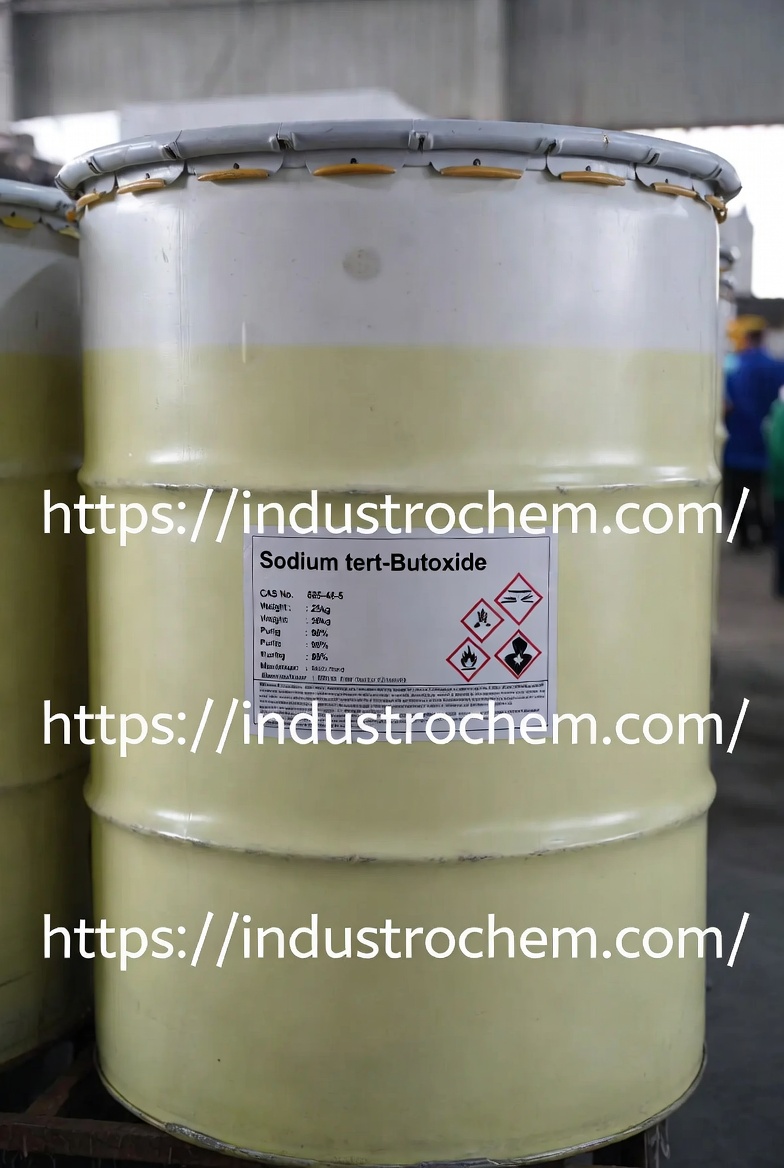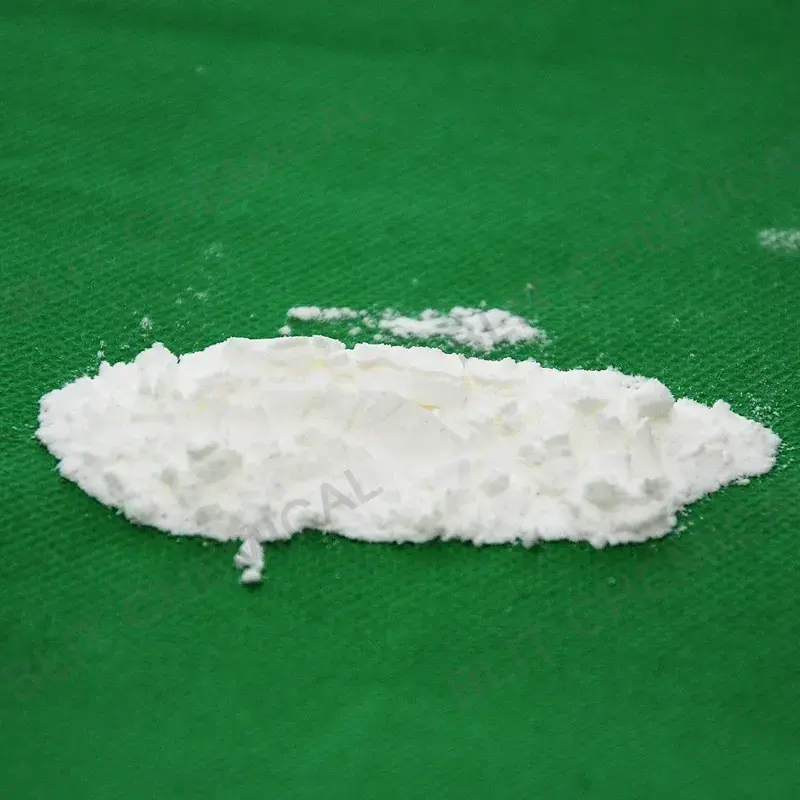
Sodium methoxide, also known as sodium methylate, methanolic sodium methoxide, or sodium methanolate, is a strong alkoxide base widely used as a reactive chemical intermediate in biodiesel transesterification processes, corresponding to CAS 124-41-4. It functions by catalyzing transesterification and other base-driven reactions through methoxide ion activity, enabling efficient conversion in chemical synthesis and fuel-related production systems. Complete documentation including COA, TDS, and SDS is supplied with each shipment.
Sodium Methoxide CAS 124-41-4
- CAS: 124-41-4
- Synonyms: Sodium methoxide, Sodium methylate, Methanolic sodium methoxide, Sodium methanolate
- Einecs: 204-699-5
- Molecular Formula: CH₃ONa
- Grade: Industrial Grade
- Package: 25 kg drum / 200 kg plastic drum / 1000 kg IBC tank (customizable)
Product Description
Product Overview
Sodium Methoxide is an inorganic strong base and an important alkoxide compound, commonly used as a catalyst, reagent, and chemical intermediate. It is available in both solid and solution (usually in methanol) forms.
Basic Information
| Parameter | Details |
|---|---|
| Chemical Name | Sodium Methoxide |
| CAS Number | 124-41-4 |
| Synonyms | Methanol, sodium salt; Sodium methylate |
| Molecular Formula | CH₃ONa |
| Molecular Weight | 54.02 g/mol |
| EINECS Number | 204-699-5 |
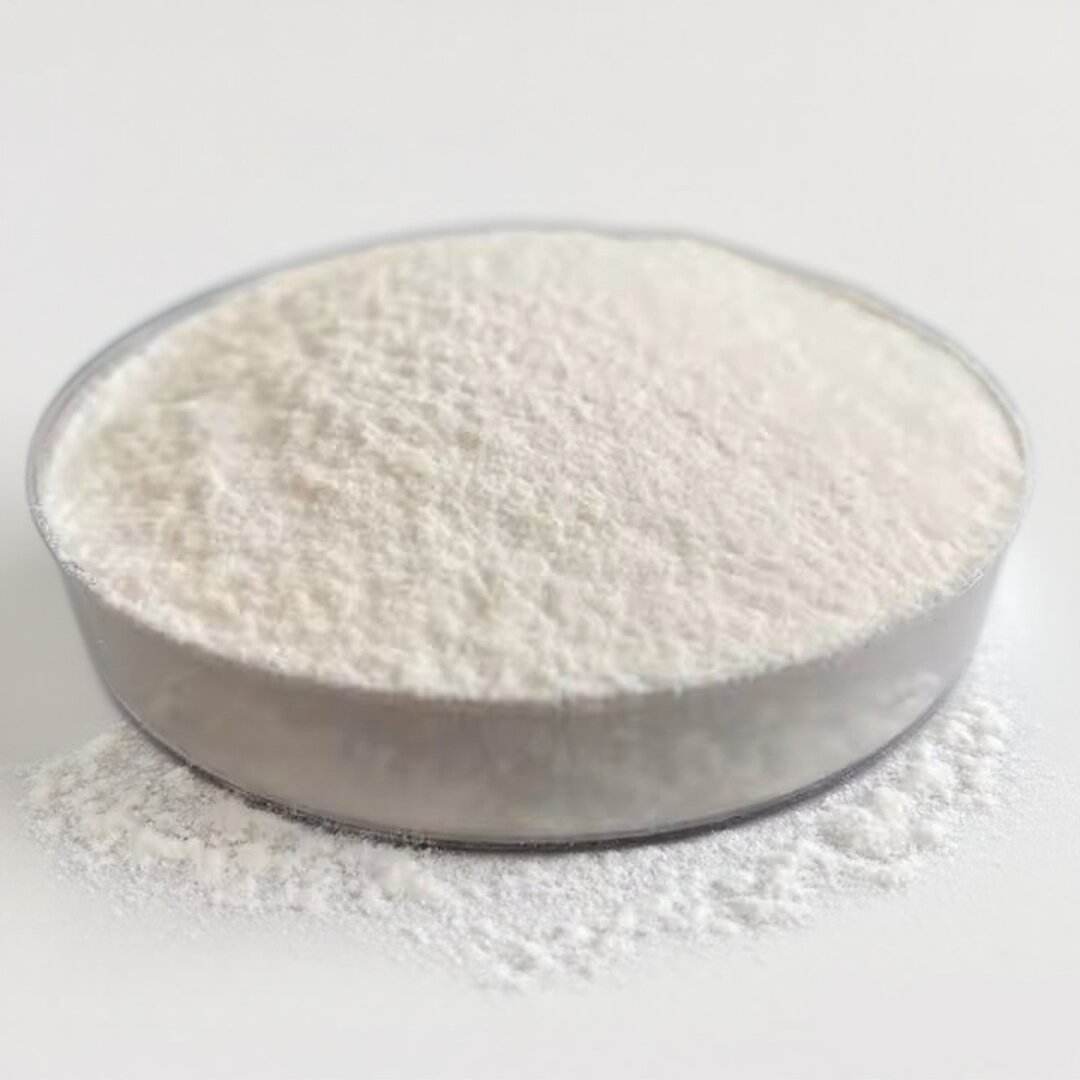
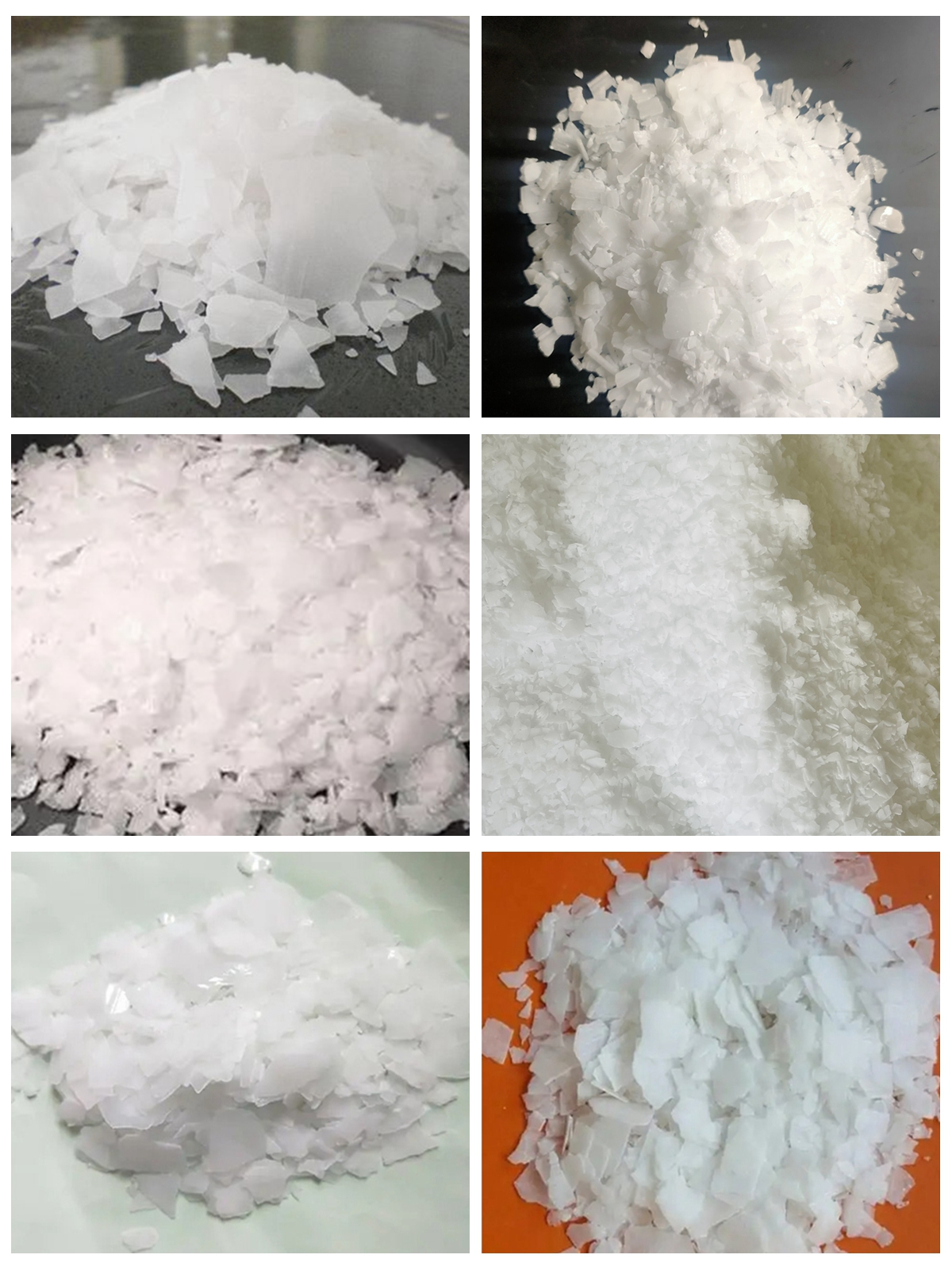
| Appearance | White to off-white crystalline powder or colorless liquid (in solution) |
| Purity | ≥ 99% (solid); 25%–30% (solution in methanol) |
| Melting Point | 127–128°C |
| Boiling Point | Decomposes |
| Density | ~0.97 g/cm³ (solution); ~1.1 g/cm³ (solid) |
| Solubility | Soluble in methanol, ethanol; reacts with water |
| Storage Conditions | Store in a cool, dry, well-ventilated place; protect from moisture |
| Packaging | 25 kg bag (solid), 200 L drum or IBC tank (solution) |
| Grade | Industrial Grade / Pharmaceutical Intermediate Grade |
Key Properties
- Strong base and nucleophile
- Highly reactive with water and air (moisture-sensitive)
- Effective transesterification catalyst
- Can be customized in solid or liquid form
Applications
Sodium Methoxide is widely used in:
- Biodiesel Production
- Acts as a transesterification catalyst to convert vegetable oils or animal fats into methyl esters (biodiesel)
- Pharmaceutical Industry
- Used as a reagent or intermediate in the synthesis of APIs (Active Pharmaceutical Ingredients)
- Agrochemicals
- Involved in the production of herbicides, fungicides, and insecticides
- Organic Synthesis
- Used for deprotonation, condensation, and alkylation reactions
- Polymer & Fine Chemicals Manufacturing
Safety & Handling
- Reacts violently with water and moisture, releasing methanol and heat
- Handle under inert gas or dry atmosphere
- Use proper PPE: gloves, goggles, and protective clothing
- Refer to the MSDS before handling
FAQ - Technical & Supply Chain
-
Q:
What is the difference between sodium methoxide solid and solution grades?
A: Sodium methoxide is available as a white crystalline solid (≥99% purity) and as a methanol solution (25–30%). The solid form offers higher concentration for reactions requiring pure alkoxide, while the methanol solution is easier to handle and meter in continuous biodiesel processes. Both grades are moisture-sensitive and require dry storage under inert atmosphere. -
Q:
What is the typical usage level for sodium methoxide in biodiesel production?
A: For biodiesel transesterification, sodium methoxide is typically used at 0.5–1.5 wt% of the oil feedstock, depending on free fatty acid content and target conversion. Higher FFA feedstocks may require additional catalyst or a pre-treatment step. It produces higher yields and fewer soap byproducts compared to sodium hydroxide. -
Q:
How should sodium methoxide be stored and handled safely?
A: Sodium methoxide is highly moisture-sensitive and reacts violently with water, releasing methanol and heat. Store in a cool, dry, well-ventilated area under inert gas or dry atmosphere. Use proper PPE including gloves, goggles, and protective clothing. In case of spillage, avoid water — use dry sand or chemical absorbent. -
Q:
Can sodium methoxide be used for pharmaceutical synthesis?
A: Yes, sodium methoxide serves as a strong base and nucleophile in pharmaceutical intermediate synthesis, functioning in deprotonation, condensation, and alkylation reactions to produce active pharmaceutical ingredients (APIs). Pharmaceutical intermediate grade is available with controlled purity profiles for regulated environments. -
Q:
What are the key purity specifications for sodium methoxide?
A: The solid grade is supplied at ≥99% purity, while the methanol solution is available at 25–30% concentration. Key specifications include assay, free alkali content, and methanol-insoluble matter. The product appears as a white to off-white crystalline powder (solid) or colorless liquid (solution). -
Q:
What packaging options are available for sodium methoxide?
A: Sodium methoxide solid is packaged in 25 kg drums, while the methanol solution is supplied in 200 L drums or 1000 kg IBC tanks. Custom packaging can be arranged for volume orders. Each shipment includes COA, TDS, and SDS documentation.
Documents and Product Support
For product review and sourcing evaluation, supporting documents can be coordinated according to the product type, inquiry stage, and order requirements.
- COA for batch-based quality reference
- TDS for key physical and chemical information
- SDS / MSDS for handling, storage, and safety reference
- Packing information for sample, trial, and bulk orders
- Technical communication based on application and specification requirements
Information to Confirm Before Quotation
Clear sourcing information helps reduce specification mismatch and allows a more accurate quotation before sample or bulk order discussion.
- Product name and CAS number
- Application or intended end use
- Required purity, grade, or specification
- Sample quantity, trial order, or bulk demand
- Preferred packing form or net weight
- Destination country or port
- Required documents or compliance expectations
Packaging, Storage, and Handling Notes
Packaging form, storage conditions, shelf life, and shipment arrangements should be confirmed according to the product characteristics, package size, and destination requirements.
Before order confirmation, buyers are advised to review the corresponding product documents and confirm whether any special storage, labeling, or handling requirements apply.
Sample, Bulk Order and Repeat Supply Support
Support can be arranged for sample discussion, bulk supply planning, packaging confirmation, and routine sourcing communication based on the actual product and order requirements.
For repeat-use formulations or long-term procurement plans, buyers may discuss specification consistency, packaging preferences, delivery expectations, and document coordination in advance.