• 1,3-Propanediol CAS 504-63-2

1,3-Propanediol CAS 504-63-2

1,3-Propanediol (CAS 504-63-2) is a linear aliphatic diol, chemically known as Trimethylene glycol, utilized primarily as a versatile monomer in the synthesis of polytrimethylene terephthalate (PTT) polymers and as a solvent in industrial formulations. This clear, colorless 1,3-Dihydroxypropane liquid functions as a chain extender and coupling agent, offering superior reactivity and stability compared to its isomer Propylene Glycol in polyester resin applications. As a fundamental Propane-1,3-diol intermediate, it serves as a critical PDO component for producing high-performance textile fibers, engineering plastics, and heat transfer fluids. We provide this industrial chemical with competitive factory pricing to support polymer polymerization and chemical synthesis operations, ensuring bulk supply availability for large-scale reactor loading. Our logistics team accommodates customized specifications for purity and moisture content, while every shipment is fully documented with MSDS, TDS, COA files to meet safety and manufacturing standards.

  • CAS: 504-63-2
  • Synonyms: Trimethylene glycol, 1,3-Dihydroxypropane, Propane-1,3-diol, PDO, 1,3-Propylene glycol
  • Einecs: 207-997-3
  • Molecular Formula: C3H8O2
  • Grade: Industrial / cosmetic grade, purity typically ≥99.8% (GC)
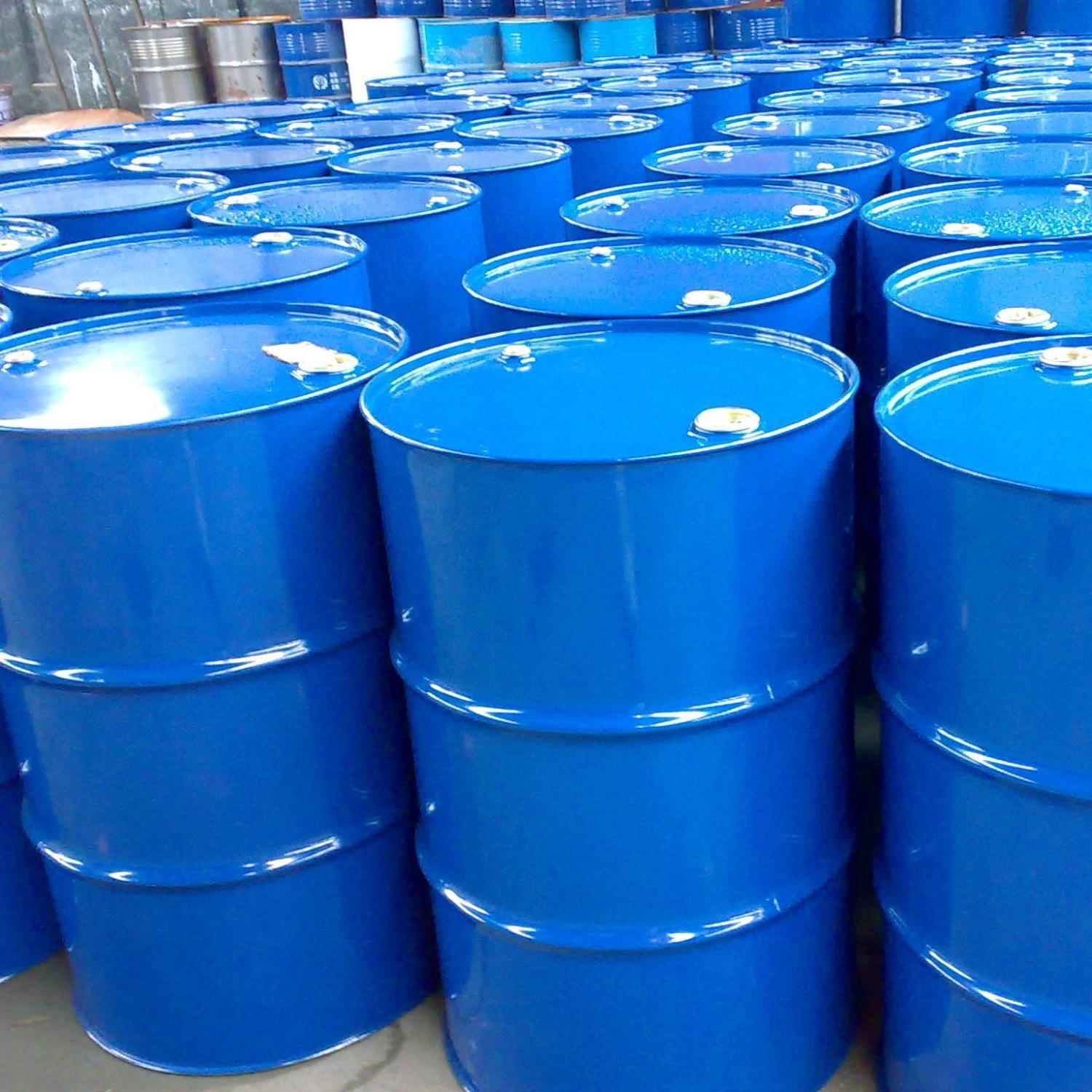
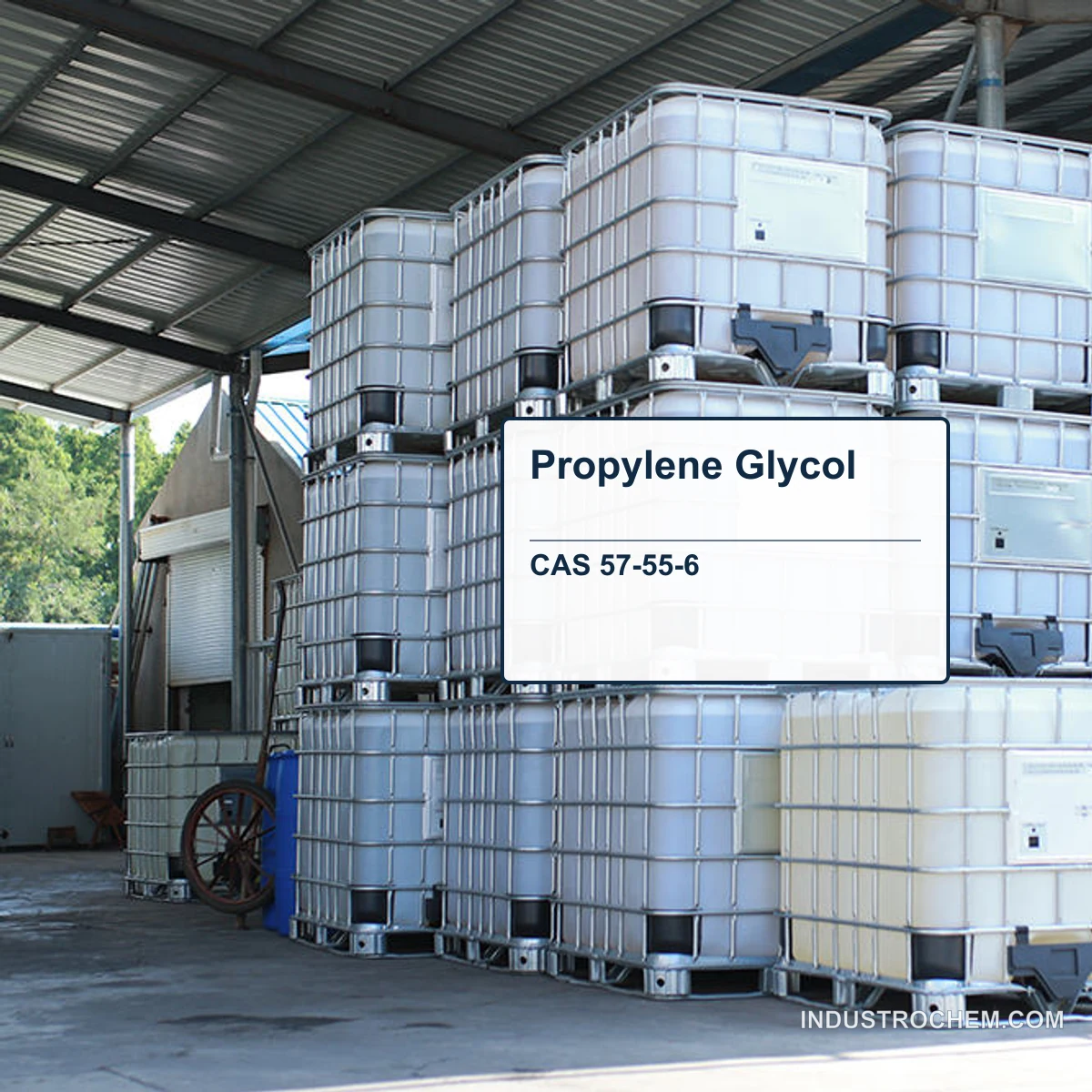
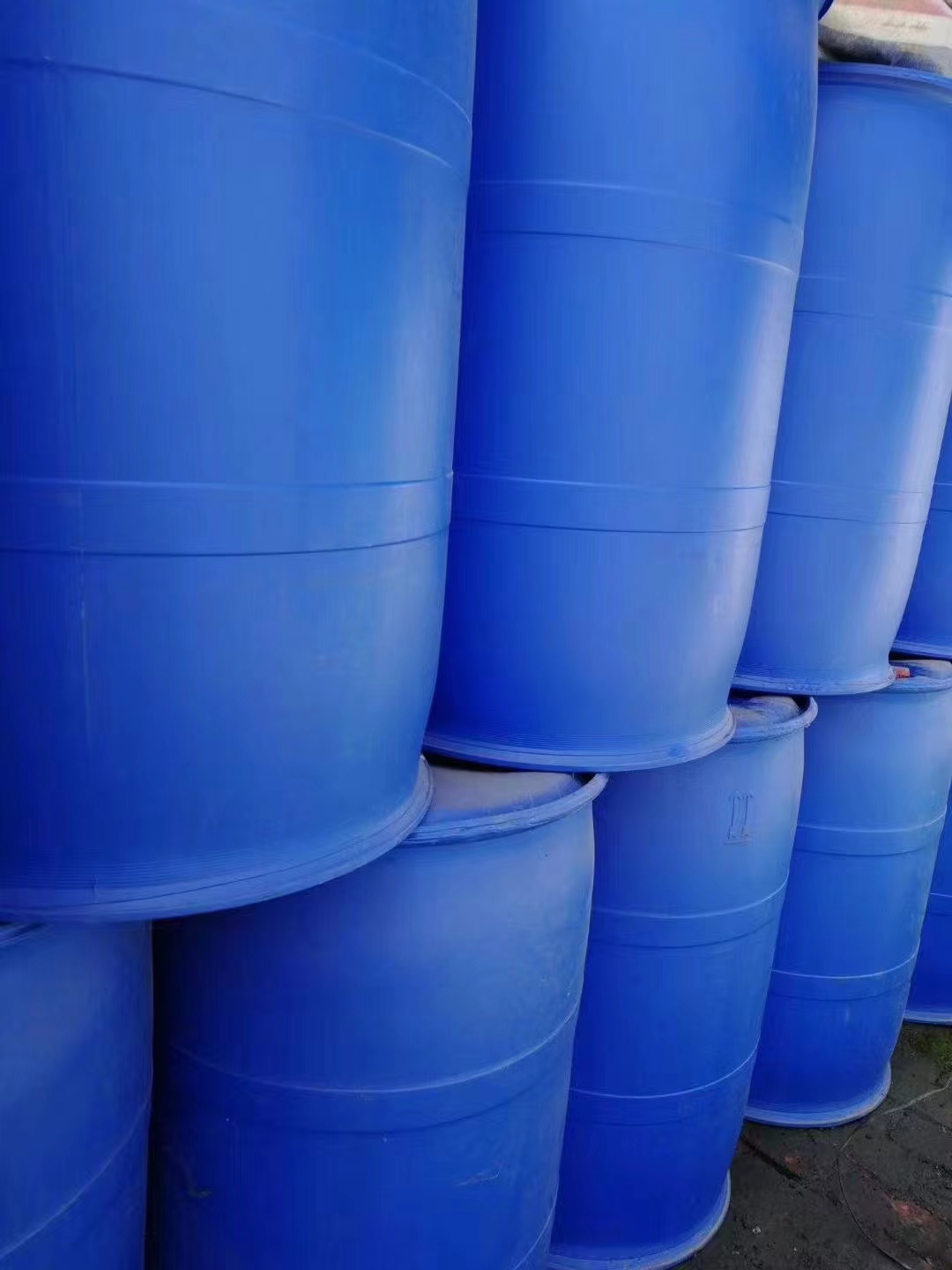
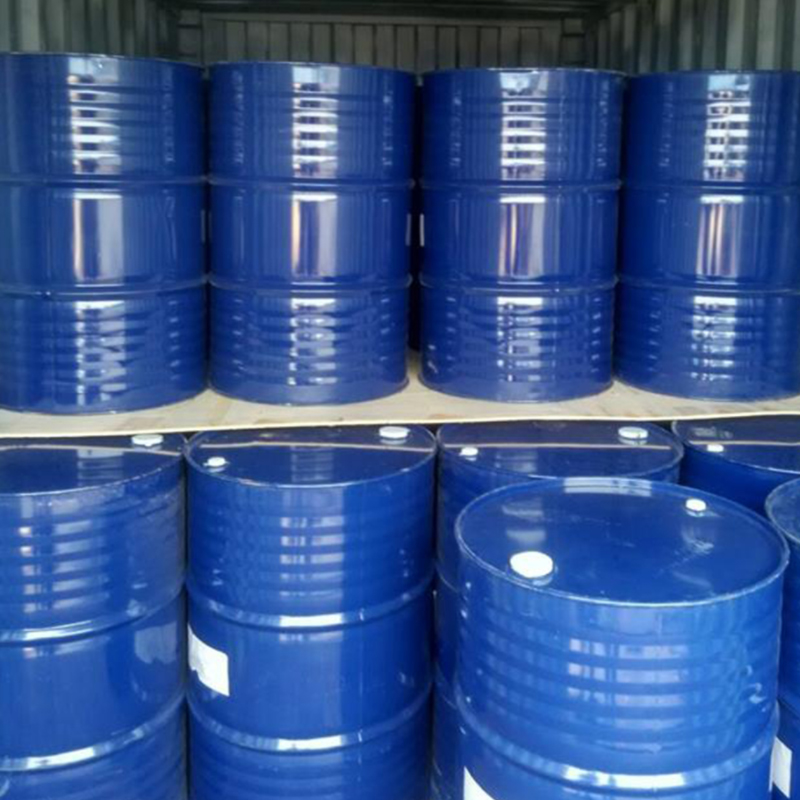
  • Package: 25 kg plastic drum, 200 kg steel/plastic drum or IBC tote; other packaging can be arranged according to customer requirements
Request a quote
Share:

Product Description

1,3-Propanediol (PDO) is a colorless, viscous, water-miscible diol widely used as an intermediate for polyesters, solvents and cosmetic humectants. With stable quality and reliable supply from Chinese producers, it is suitable for polymers, industrial formulations and personal care applications. 📧 Email: info@industrochem.com for latest spec, price and COA.

Physicochemical Properties

ItemTypical Value
AppearanceColorless, clear, viscous liquid
Molecular weight76.09 g/mol
Density1.053 g/mL at 25 °C
Melting pointapprox. −27 °C
Boiling pointapprox. 214 °C at 760 mmHg
Flash point (closed cup)>110 °C
Refractive index (n²⁰/D)~1.440
Vapor pressure~0.8 mmHg at 20 °C
Solubility in waterCompletely miscible
pH (100 g/L in water, 20 °C)approx. 4.5–7.0

Applications

1. Polymer & Resin Intermediate

  • Monomer for polytrimethylene terephthalate (PTT) and other specialty polyesters
  • Improves elasticity, resilience and dyeability in textile fibers and engineering plastics
  • Component for aliphatic polyesters and copolyesters used in films, fibers and molded parts

2. Solvents, Coatings & Industrial Formulations

  • Solvent or co-solvent in waterborne coatings, inks and adhesives
  • Component in heat-transfer fluids, de-icing and antifreeze formulations as an alternative to ethylene glycol/propylene glycol
  • Intermediate for various oxygenated chemicals and plasticizers

3. Personal Care & Household Products

  • Humectant and moisturizing agent in skin-care, hair-care, cosmetic and toiletry products
  • Solvent and viscosity modifier in liquid detergents and cleaners
  • Helps improve skin feel and stability of formulations

4. Other Uses

  • Component in composites, laminates, moldings and other industrial materials
  • R&D intermediate in green chemistry, biobased materials and specialty chemicals

Storage Conditions

  • Store in tightly closed drums or IBCs in a cool, dry, well-ventilated warehouse.
  • Recommended storage temperature: below 30 °C, away from direct sunlight and strong heat sources.
  • Keep away from strong oxidizing agents and strong acids/alkalis.
  • Prevent contamination with water or other chemicals to maintain purity.
  • Follow local regulations for storage of chemical substances.

Safety Precautions

  • 1,3-Propanediol shows relatively low acute toxicity, but may cause mild irritation to eyes and skin on direct contact.
  • Avoid inhalation of mists or vapors; use with adequate ventilation or local exhaust in industrial operations.
  • Wear appropriate PPE: chemical-resistant gloves, safety goggles, protective clothing; use respiratory protection if aerosol or high vapor levels may occur.
  • In case of skin contact: wash with plenty of water and soap. If eye contact occurs: rinse cautiously with water for several minutes and seek medical advice if irritation persists.
  • Prevent release into the environment; contain and collect spills with inert absorbent.
  • Always refer to the product’s Safety Data Sheet (SDS) for detailed hazard, first-aid and transport information.

FAQ - Technical & Supply Chain

  • Q:

    How does the molecular structure of CAS 504-63-2 distinguish it from Propylene Glycol (1,2-PDO)?

    A: CAS 504-63-2 identifies 1,3-Propanediol, which has two hydroxyl groups separated by three carbon atoms (primary alcohols), whereas Propylene Glycol (CAS 57-55-6) has hydroxyl groups on adjacent carbons (vicinal diol), resulting in different reactivity and boiling points.
  • Q:

    Is this diol suitable for polymer synthesis?

    A: Yes, this material is widely used as a monomeric raw material in condensation polymerization reactions to produce Polytrimethylene Terephthalate (PTT) and other specialized polyester resins.
Documents

Documents and Product Support

For product review and sourcing evaluation, supporting documents can be coordinated according to the product type, inquiry stage, and order requirements.

  • COA for batch-based quality reference
  • TDS for key physical and chemical information
  • SDS / MSDS for handling, storage, and safety reference
  • Packing information for sample, trial, and bulk orders
  • Technical communication based on application and specification requirements
Quotation

Information to Confirm Before Quotation

Clear sourcing information helps reduce specification mismatch and allows a more accurate quotation before sample or bulk order discussion.

  • Product name and CAS number
  • Application or intended end use
  • Required purity, grade, or specification
  • Sample quantity, trial order, or bulk demand
  • Preferred packing form or net weight
  • Destination country or port
  • Required documents or compliance expectations
Storage & Handling

Packaging, Storage, and Handling Notes

Packaging form, storage conditions, shelf life, and shipment arrangements should be confirmed according to the product characteristics, package size, and destination requirements.

Before order confirmation, buyers are advised to review the corresponding product documents and confirm whether any special storage, labeling, or handling requirements apply.

Supply Support

Sample, Bulk Order and Repeat Supply Support

Support can be arranged for sample discussion, bulk supply planning, packaging confirmation, and routine sourcing communication based on the actual product and order requirements.

For repeat-use formulations or long-term procurement plans, buyers may discuss specification consistency, packaging preferences, delivery expectations, and document coordination in advance.

Contact Form

Use our contact form to send us your questions, suggestions or comments. We will respond as soon as possible.