










• Phenyl Salicylate CAS 118-55-8

Phenyl Salicylate CAS 118-55-8

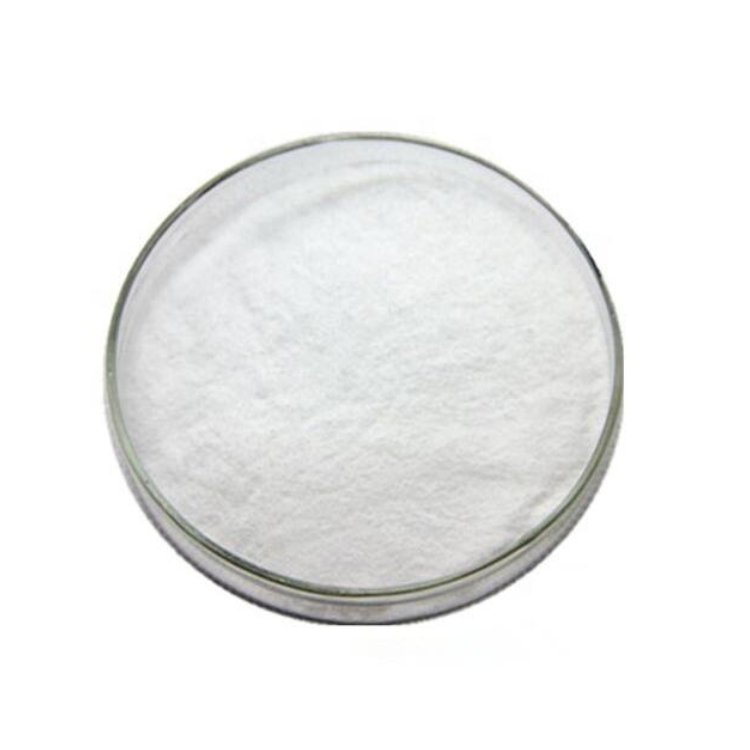
Phenyl Salicylate (CAS 118-55-8) is an organic ester functioning as an ultraviolet light absorber in polymer processing and a synthesis intermediate in fine chemistry. Chemically identified as Salol or Phenyl 2-hydroxybenzoate, this white crystalline powder acts to dissipate UV radiation as heat, protecting plastics and cellulosic materials from photodegradation. As a stable Salicylic acid phenyl ester, it is widely utilized in the formulation of lacquers, waxes, and polishes to extend product durability. We ensure bulk supply capabilities for this material, providing access to competitive factory pricing and customized specifications to meet specific purity and melting point requirements. Full technical documentation, including MSDS, TDS, COA, is available to support compliance and safety protocols.

  • CAS: 118-55-8
  • Synonyms: Salol, Phenyl 2-hydroxybenzoate, 2-Hydroxybenzoic acid phenyl ester, Phenyl o-hydroxybenzoate
  • Einecs: 204-259-2
  • Molecular Formula: C13H10O3
  • Grade: Technical Grade / USP / BP
  • Package: 25kg Fiber Drum or Cardboard Drum
Request a quote
Share:

Product Description

Phenyl Salicylate is an ester formed by the condensation of Salicylic Acid and Phenol.

  1. UV Stabilization: Its primary industrial use is as a UV stabilizer. When exposed to UV radiation, it undergoes a rearrangement (Photo-Fries rearrangement) to form benzophenone derivatives which provide protection to polymers, particularly cellulose nitrate and ethyl cellulose, preventing discoloration and degradation.
  2. Antiseptic & Pharma: In the pharmaceutical field, it has been historically used as an internal antiseptic. It is stable in the acidic environment of the stomach but hydrolyzes in the small intestine to release phenol and salicylic acid, making it useful for enteric coating principles and antiseptic applications.

Physicochemical Properties

Test ItemSpecification (Standard)
AppearanceWhite crystalline powder or granules
OdorMild, characteristic aromatic odor
Assay (Purity)≥ 99.0%
Melting Point41.0°C – 43.0°C
Acidity (Free Acid)Passes test (Neutral to litmus)
Loss on Drying≤ 0.5%
Residue on Ignition (Ash)≤ 0.1%
Sulphates≤ 0.1%
Heavy Metals≤ 10 ppm
SolubilityInsoluble in water; Soluble in ethanol, ether, benzene

Applications

  1. Plastics & Polymers: Used as a UV absorber and stabilizer for plastics, lacquers, glues, and waxes. It is particularly effective in cellulose-based plastics.
  2. Cosmetics & Personal Care: Functions as a preservative and antiseptic agent in various lotions and creams. It also acts as a UV filter in some sun-care formulations.
  3. Fragrance Industry: Acts as a fixative and modifier in floral compositions (e.g., carnation, jasmine).
  4. Pharmaceutical Intermediates: Used in the synthesis of analgesic and antipyretic drugs.

Storage Conditions

  • Temperature Control: CRITICAL. Phenyl Salicylate has a low melting point (approx. 42°C). It must be stored in a cool place, strictly below 30°C. If exposed to heat during transport or storage, the powder will melt and fuse into a solid block upon cooling.
  • Light Protection: Store in light-resistant containers. Exposure to strong light can cause gradual discoloration.
  • Environment: Store in a dry, well-ventilated area away from incompatible materials (strong oxidizers).
  • Shelf Life: 24 months in original unopened packaging under cool conditions.

Safety Precautions

  • Handling: Avoid creating dust. Use in a well-ventilated area.
  • Skin/Eye Contact: May cause irritation. Wear safety glasses and protective gloves. If contact occurs, wash with soap and water.
  • Inhalation: Avoid breathing dust.
  • Environmental: Toxic to aquatic life with long-lasting effects. Avoid release to the environment.
  • Disposal: Dispose of contents/container in accordance with local/regional/national regulations.

FAQ - Technical & Supply Chain

  • Q:

    How is Phenyl Salicylate CAS 118-55-8 chemically characterized in the field of organic stabilizers?

    A: Phenyl Salicylate (CAS 118-55-8), historically known as Salol, is chemically defined as the phenyl ester of salicylic acid and is supplied as a crystalline solid primarily for its UV-absorbing properties in industrial materials.
  • Q:

    Is this product suitable for preventing UV damage in plastic products?

    A: Yes, this material is typically applied in the manufacturing of cellulosic plastics and polymer coatings as a stabilizer, effectively absorbing ultraviolet light to prevent discoloration and brittleness.
Documents

Documents and Product Support

For product review and sourcing evaluation, supporting documents can be coordinated according to the product type, inquiry stage, and order requirements.

  • COA for batch-based quality reference
  • TDS for key physical and chemical information
  • SDS / MSDS for handling, storage, and safety reference
  • Packing information for sample, trial, and bulk orders
  • Technical communication based on application and specification requirements
Quotation

Information to Confirm Before Quotation

Clear sourcing information helps reduce specification mismatch and allows a more accurate quotation before sample or bulk order discussion.

  • Product name and CAS number
  • Application or intended end use
  • Required purity, grade, or specification
  • Sample quantity, trial order, or bulk demand
  • Preferred packing form or net weight
  • Destination country or port
  • Required documents or compliance expectations
Storage & Handling

Packaging, Storage, and Handling Notes

Packaging form, storage conditions, shelf life, and shipment arrangements should be confirmed according to the product characteristics, package size, and destination requirements.

Before order confirmation, buyers are advised to review the corresponding product documents and confirm whether any special storage, labeling, or handling requirements apply.

Supply Support

Sample, Bulk Order and Repeat Supply Support

Support can be arranged for sample discussion, bulk supply planning, packaging confirmation, and routine sourcing communication based on the actual product and order requirements.

For repeat-use formulations or long-term procurement plans, buyers may discuss specification consistency, packaging preferences, delivery expectations, and document coordination in advance.

Contact Form

Use our contact form to send us your questions, suggestions or comments. We will respond as soon as possible.