










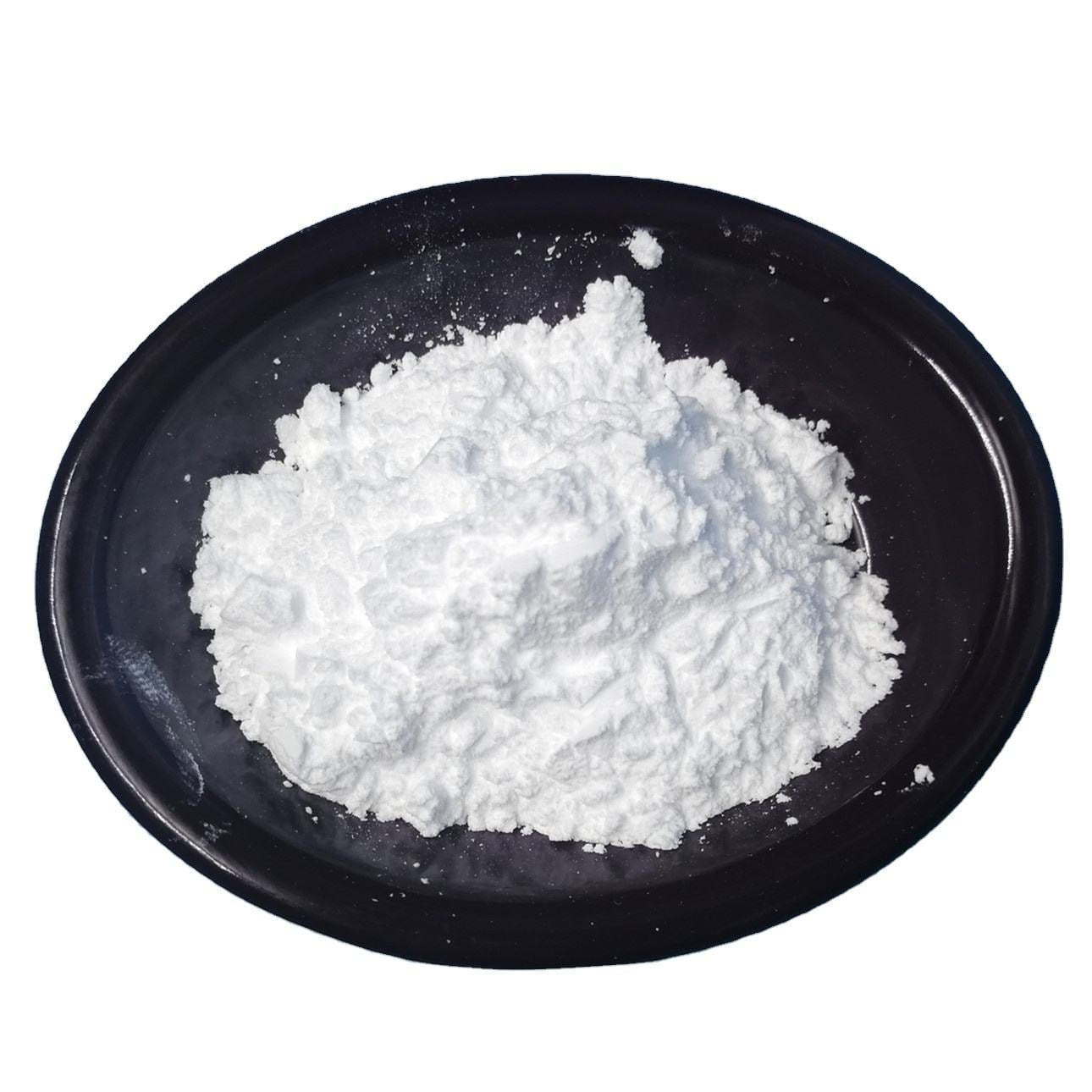
Melamine (CAS 108-78-1) is an organic base and trimer of cyanamide functioning as a primary feedstock in the production of thermosetting resins and durable laminates. Chemically identified as 1,3,5-Triazine-2,4,6-triamine or Cyanurotriamide, this white crystalline powder acts to impart heat resistance and structural integrity to molded plastics and adhesives. As a high-nitrogen Heterocyclic amine, it is extensively polymerized with formaldehyde to create melamine-formaldehyde resins used in decorative surfaces, dinnerware, and flame-retardant foams. Melamine Cyanurate (MCA) is a related halogen-free flame-retardant material formed with cyanuric acid. We ensure bulk supply capabilities for this material, providing access to competitive factory pricing and customized specifications to meet specific particle size and purity needs. Full technical documentation, including MSDS, TDS, COA, is available to support compliance and safety protocols.
Melamine CAS 108-78-1
- CAS: 108-78-1
- Synonyms: 1,3,5-Triazine-2,4,6-triamine, Cyanurotriamide, 2,4,6-Triamino-s-triazine, Melamine resin monomer
- Einecs: 203-615-4
- Molecular Formula: C3H6N6
- Grade: Industrial Grade (High Purity)
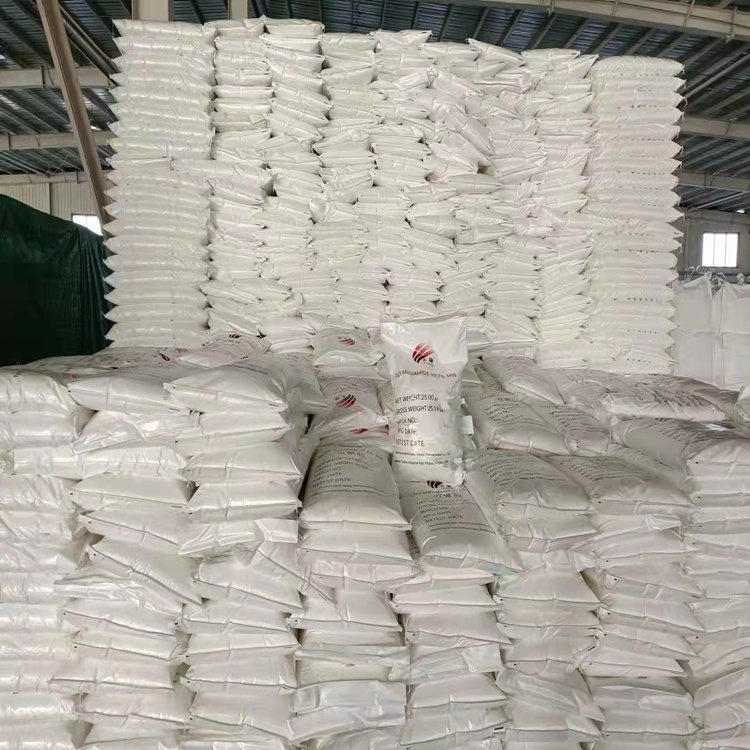
- Package: 25kg, 500kg, or 1000kg PP/PE Woven Bag
Product Description
Melamine is synthesized from urea. When reacted with formaldehyde, it forms Melamine-Formaldehyde resin, a very durable thermosetting plastic.
Key Features:
- High Purity: Our standard production guarantees a minimum purity of 99.8%, ensuring consistent reaction rates in resin production.
- Thermosetting: Products made with Melamine are hard, scratch-resistant, and retain their shape under heat.
- Flame Retardancy: Due to its nitrogen-rich structure, it releases nitrogen gas when burned, which extinguishes flames, making it a key additive in fire-retardant foams and coatings.
- Chemical Resistance: Provides excellent resistance to chemical corrosion in finished coatings and laminates.
Physicochemical Properties
| Test Item | Specification (Standard GB/T 9567-2016) |
|---|---|
| Appearance | White crystalline powder, no impurities |
| Purity (Melamine Content) | ≥ 99.8% |
| Moisture / Water Content | ≤ 0.1% |
| Ash Content | ≤ 0.03% |
| Color (Platinum-Cobalt/Hazen) | ≤ 20 |
| Turbidity (Kaolin turbidity) | ≤ 20 |
| pH Value (10% Suspension) | 7.5 – 9.5 |
| Melting Point | > 350°C (Sublimes/Decomposes) |
| Density | 1.573 g/cm³ |
| Solubility | Slightly soluble in water; Insoluble in benzene and ether |
Applications
- Laminates: Used in the production of High-Pressure Laminates (HPL) for flooring, furniture, and kitchen cabinets due to its high hardness and scratch resistance.
- Wood Adhesives: Reacted to form Melamine-Urea-Formaldehyde (MUF) resins, used as waterproof adhesives in plywood, particleboard, and MDF manufacturing.
- Molding Compounds: Used to make melamine dinnerware (plates, bowls) which are durable, heat-resistant, and non-breakable.
- Coatings: Used as a cross-linking agent in baked enamels and automotive coatings (HMMM series) to improve gloss and durability.
- Concrete Admixtures: Used to produce Sulfonated Melamine Formaldehyde (SMF), a high-range water reducer (superplasticizer) for high-strength concrete.
- Textile & Paper: Used as a finishing agent to provide wrinkle resistance and water repellency.
For a melamine-based flame-retardant additive material, see Melamine Cyanurate (MCA).
Storage Conditions
- Environment: Store in a cool, dry, and well-ventilated warehouse.
- Humidity: Critical. Keep away from moisture. Melamine powder can cake or clump if exposed to high humidity.
- Separation: Store separately from oxidants and strong acids. Do not mix storage.
- Packaging: Keep bags sealed when not in use.
- Shelf Life: 12-24 months under proper storage conditions.
Safety Precautions
- Industrial Use Only: This product is strictly for industrial applications. Do not use in food or feed processing.
- Inhalation: Melamine dust may cause irritation to the respiratory tract. Use local exhaust ventilation and wear a dust mask (N95 or equivalent) during handling.
- Skin/Eye Contact: May cause mechanical irritation. Wear protective gloves and safety goggles. Wash thoroughly with soap and water after handling.
- Fire: Not combustible, but decomposes upon heating to produce toxic fumes (cyanide, nitrogen oxides).
FAQ - Technical & Supply Chain
-
Q:
What is Melamine CAS 108-78-1?
A: Melamine CAS 108-78-1, also called 1,3,5-triazine-2,4,6-triamine or cyanurotriamide, is a nitrogen-rich heterocyclic organic base. It has the molecular formula C3H6N6 and a molecular weight of 126.12 g/mol. -
Q:
How is Melamine converted into melamine-formaldehyde resin?
A: Melamine is condensed with formaldehyde under controlled conditions to form a crosslinkable melamine-formaldehyde prepolymer that cures into a thermosetting resin. The result is a hard, heat-resistant network used in decorative laminates, adhesives, molding compounds and coatings. -
Q:
Why is Melamine important in high-pressure laminates and wood adhesives?
A: Melamine-formaldehyde resins made from this monomer provide surface hardness, scratch resistance, heat stability and resistance to many chemicals. These properties make melamine especially useful for decorative high-pressure laminates, wood panels, tableware and industrial coatings. -
Q:
How does Melamine contribute to flame retardancy?
A: Melamine has about 66% nitrogen by weight. When a melamine-containing material is heated or burned, the resin decomposes and releases nitrogen-containing gases that dilute oxygen and help suppress flame propagation in foams, coatings and other polymer systems. -
Q:
What are the key specifications of high-purity Melamine CAS 108-78-1?
A: This industrial high-purity grade specifies melamine content of at least 99.8%, moisture not more than 0.1%, ash not more than 0.03%, Hazen color not more than 20, and kaolin turbidity not more than 20. The pH of a 10% suspension is typically 7.5-9.5, and the powder melts or decomposes above 350 C. -
Q:
How should Melamine powder be stored and handled?
A: Melamine should be kept dry in tightly closed containers because moisture pickup can affect resin formulation and powder flow. Avoid generating airborne dust and keep the material away from open flames or ignition sources, since melamine dust can form an explosive dust-air mixture.
Ordering & Documentation
Key information for document requests, quotations, and supply planning.
Documents
COA, TDS, SDS/MSDS and packing details are available on request.
Quotation
Send the CAS number, grade, quantity, packing preference and destination.
Sample & Supply
Support is available for samples, trial orders, bulk and repeat supply.
Storage & Shipping
Product-specific conditions are confirmed before order.

