










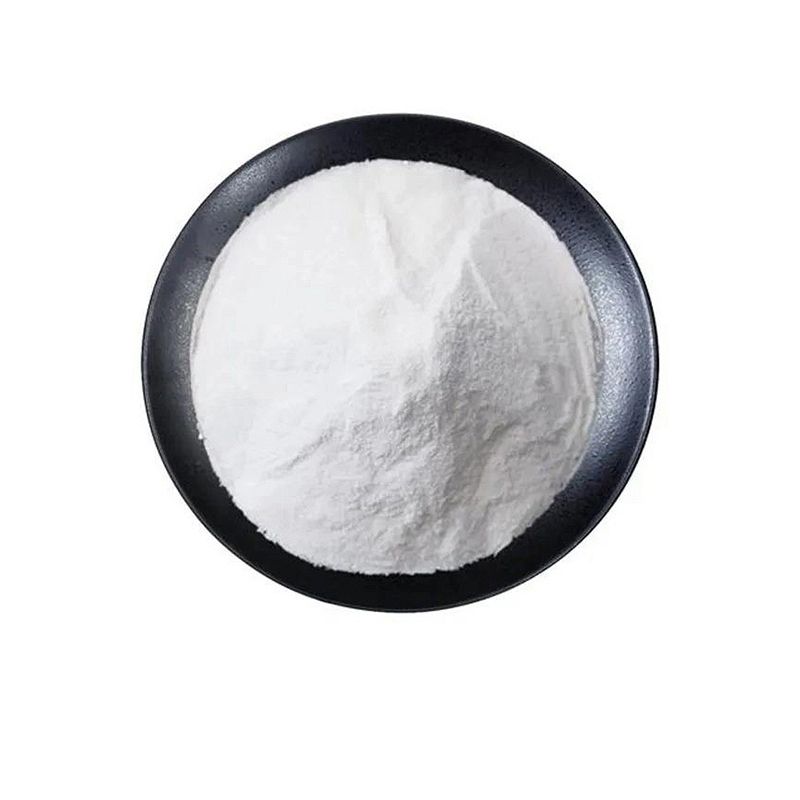
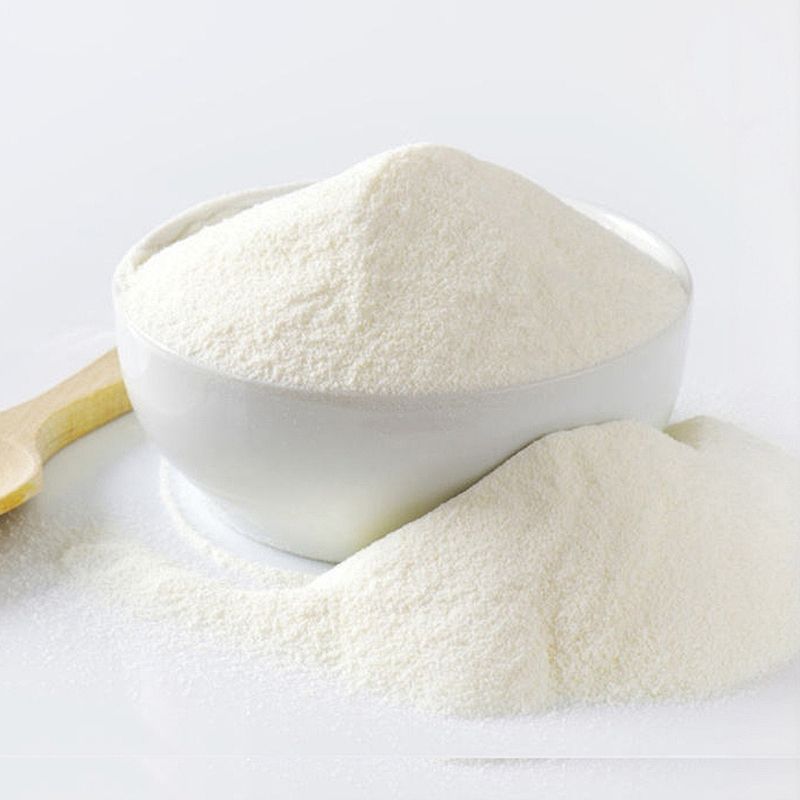
• Stannous Oxalate CAS 814-94-8
  • Stannous Oxalate CAS 814-94-8

Stannous Oxalate CAS 814-94-8

Stannous Oxalate (CAS 814-94-8) is an organometallic tin compound serving as an effective esterification catalyst in chemical synthesis and a reducing agent in textile dyeing processes. Chemically identified as Tin(II) oxalate or Oxalic acid tin(II) salt, this white to off-white crystalline powder functions to accelerate polymerization reactions and stabilize colorants in fabric treatments. As a specialized Ethanedioic acid tin(II) salt derivative, it is widely utilized in the production of plasticizers and ester-based lubricants due to its high catalytic activity and selectivity. We ensure bulk supply capabilities for this material, providing access to competitive factory pricing and customized specifications to meet specific purity and particle size requirements. Full technical documentation, including MSDS, TDS, COA, is available to support compliance and safety protocols.

  • CAS: 814-94-8
  • Synonyms: Tin(II) oxalate, Oxalic acid tin(II) salt, Ethanedioic acid tin(II) salt, Tin oxalate
  • Einecs: 212-414-0
  • Molecular Formula: SnC2O4
  • Grade: Catalyst Grade / Industrial Grade
  • Package: 25kg Fiber Drum with PE liner
Request a quote
Share:

Product Description

Stannous Oxalate is an organic salt of tin. Unlike liquid organotin catalysts, it is a solid powder that provides distinct advantages in specific polymerization processes.

Main Characteristics:

  • High Catalytic Efficiency: It significantly speeds up esterification and polycondensation reactions at lower temperatures compared to non-tin catalysts.
  • Color Stability: One of its primary benefits is that it minimizes “color reversion” or yellowing in the final polymer or plasticizer, making it ideal for high-quality, clear end-products.
  • Solubility: While practically insoluble in water, it dissolves readily in dilute acids, making it adaptable for various chemical processing environments.

Physicochemical Properties

The following parameters represent standard high-purity export specifications from Chinese manufacturers.

Test ItemSpecification (Standard)
AppearanceWhite crystalline powder
Stannous Oxalate (Assay)≥ 99.0%
Tin Content (Sn)≥ 51.0%
Melting Point280°C (Decomposes)
Loss on Drying≤ 0.5%
Iron (Fe)≤ 0.005%
Chloride (Cl)≤ 0.02%
Sulphate (SO4)≤ 0.02%
SolubilitySoluble in dilute Hydrochloric Acid and Sulfuric Acid; Insoluble in water and acetic acid
Specific GravityApprox. 3.56 g/cm³

Applications

  1. Esterification Catalyst: Extensively used in the production of plasticizers (e.g., Dioctyl Phthalate) and polyesters. It promotes the reaction between acids and alcohols without degrading the color of the resin.
  2. Coal Hydrogenation: Used as a catalyst in the coal liquefaction process (gasification) to improve efficiency.
  3. Textile Industry: Acts as a mordant in textile dyeing and printing processes.
  4. Glass & Ceramics: Sometimes used as a reducing agent or additive in specialized glass formulations.
  5. Electroplating: Used in certain acidic tin plating baths.

Storage Conditions

  • Environment: Store in a cool, dry, and well-ventilated area.
  • Container: Keep the container tightly closed. This product can be slightly hygroscopic; protect from moisture to prevent clumping.
  • Incompatibility: Store away from strong oxidizing agents and alkalis.
  • Shelf Life: 12 months in original unopened packaging under proper conditions.

Safety Precautions

  • Handling: Harmful if swallowed or inhaled. Stannous Oxalate may cause skin and eye irritation. Use only with adequate ventilation.
  • PPE: Wear chemical-resistant gloves, safety goggles, and a dust mask/respirator during handling.
  • Ingestion: If swallowed, rinse mouth and seek medical attention immediately.
  • First Aid:
    • Skin: Wash with plenty of soap and water.
    • Eyes: Rinse cautiously with water for several minutes.
  • Disposal: Tin compounds should be disposed of according to local environmental regulations; do not release into watercourses.

FAQ - Technical & Supply Chain

  • Q:

    How is Stannous Oxalate CAS 814-94-8 chemically defined for industrial catalyst applications?

    A: Stannous Oxalate (CAS 814-94-8) is defined as the tin(II) salt of oxalic acid, chemically known as Tin(II) oxalate, and is supplied as a high-purity catalyst powder for esterification and polymerization reactions.
  • Q:

    Is this compound effective as a catalyst in ester manufacturing?

    A: Yes, this material is typically applied in the industrial synthesis of esters and plasticizers, where it functions as a highly efficient catalyst to improve reaction rates and product yields.
Documents

Documents and Product Support

For product review and sourcing evaluation, supporting documents can be coordinated according to the product type, inquiry stage, and order requirements.

  • COA for batch-based quality reference
  • TDS for key physical and chemical information
  • SDS / MSDS for handling, storage, and safety reference
  • Packing information for sample, trial, and bulk orders
  • Technical communication based on application and specification requirements
Quotation

Information to Confirm Before Quotation

Clear sourcing information helps reduce specification mismatch and allows a more accurate quotation before sample or bulk order discussion.

  • Product name and CAS number
  • Application or intended end use
  • Required purity, grade, or specification
  • Sample quantity, trial order, or bulk demand
  • Preferred packing form or net weight
  • Destination country or port
  • Required documents or compliance expectations
Storage & Handling

Packaging, Storage, and Handling Notes

Packaging form, storage conditions, shelf life, and shipment arrangements should be confirmed according to the product characteristics, package size, and destination requirements.

Before order confirmation, buyers are advised to review the corresponding product documents and confirm whether any special storage, labeling, or handling requirements apply.

Supply Support

Sample, Bulk Order and Repeat Supply Support

Support can be arranged for sample discussion, bulk supply planning, packaging confirmation, and routine sourcing communication based on the actual product and order requirements.

For repeat-use formulations or long-term procurement plans, buyers may discuss specification consistency, packaging preferences, delivery expectations, and document coordination in advance.

Contact Form

Use our contact form to send us your questions, suggestions or comments. We will respond as soon as possible.