









• Stannous Chloride Dihydrate CAS 10025-69-1

Stannous Chloride Dihydrate CAS 10025-69-1

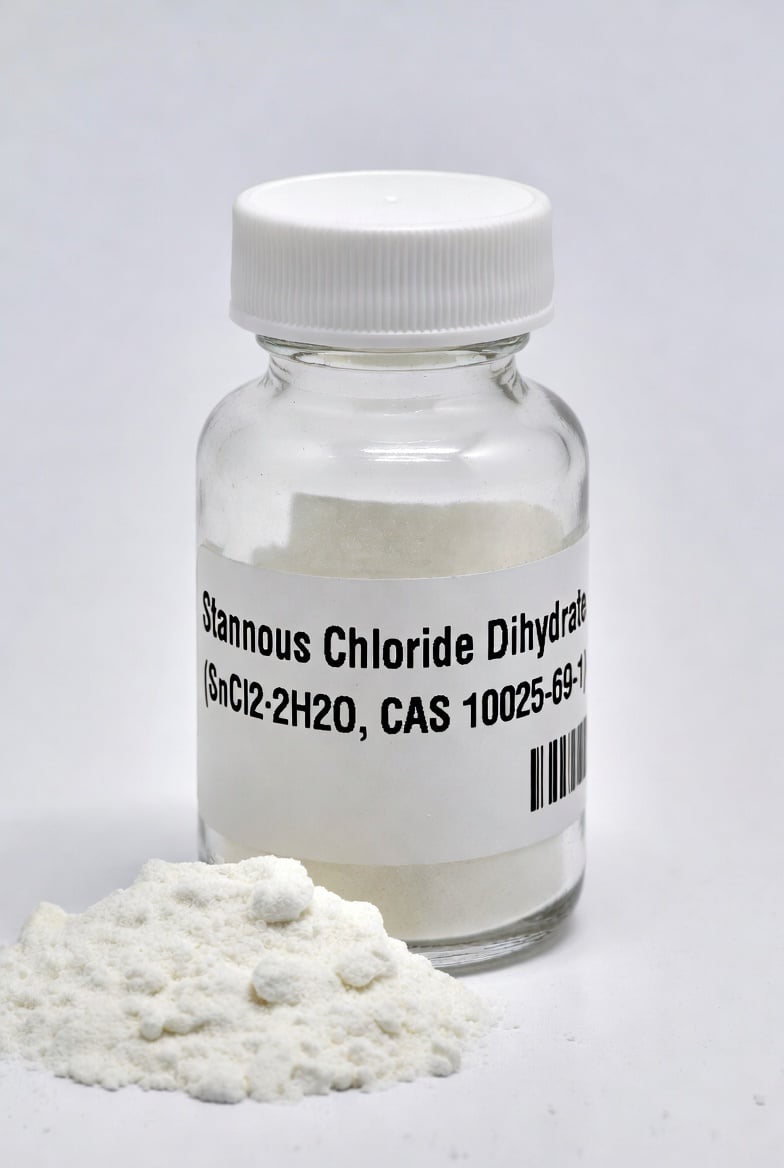
Stannous Chloride Dihydrate, defined by CAS 10025-69-1, is a white crystalline inorganic salt that functions as a potent reducing agent and a primary source of divalent tin in electrochemical and chemical synthesis environments. Known technically as Tin(II) chloride dihydrate, this compound operates through its high affinity for oxygen, making it an essential sensitizing agent for glass metallization and plastic plating processes. In large-scale textile manufacturing, this Tin protochloride derivative acts as a mordant for dyeing operations and a discharge agent in printing, while in organic chemistry, Stannous dichloride dihydrate is utilized in the Stephen reduction for the synthesis of aldehydes from nitriles. As a versatile Tin dichloride crystal, it is also integrated into pharmaceutical intermediates and specialized electroplating baths to ensure uniform metal deposition. We facilitate bulk supply for industrial synthesis lines and surface treatment facilities, providing customized specifications regarding purity levels and acidity to suit specific reaction kinetics. Our distribution model ensures competitive factory pricing for international procurement, with every shipment meticulously supported by updated MSDS, TDS, COA documentation.

  • CAS: 10025-69-1
  • Synonyms: Tin(II) chloride dihydrate, Tin protochloride, Stannous dichloride dihydrate, Tin dichloride crystal, Tin(2+) chloride dihydrate.
  • Einecs: 231-868-0
  • Molecular Formula: SnCl2 · 2H2O
  • Grade: Industrial Grade / Reagent Grade
  • Package: 25kg/drum or customized
Request a quote
Share:

Product Description

Technical Data (Physicochemical Properties)

PropertyIndustrial Standard Specification
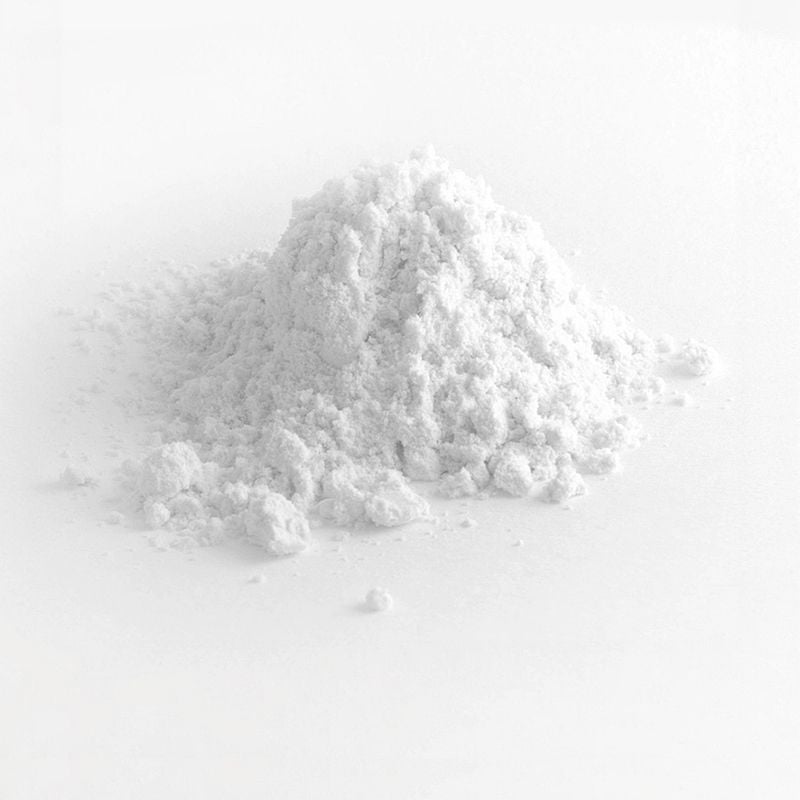
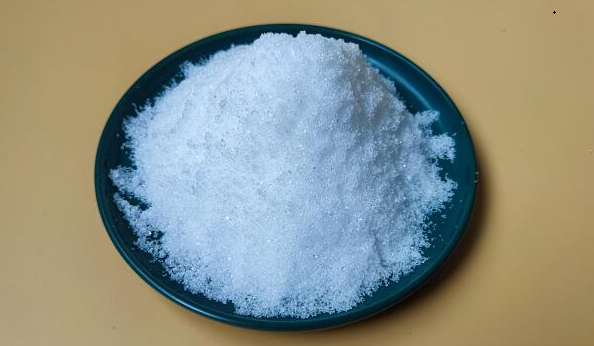
AppearanceWhite monoclinic crystals
Assay (as SnCl2 · 2H2O)≥ 98.0%
Tin (Sn2+) Content≥ 52.0%
Melting Point37.7 °C
SolubilitySoluble in water, ethanol, and acetone
Water Insoluble Matter≤ 0.05%
Iron (Fe)≤ 0.003%

Applications

  • Electroplating & Surface Treatment: Used as a sensitizer for silvering mirrors and as an electrolyte component in tin-plating baths for steel and electronic components.
  • Chemical Synthesis: Acts as a catalyst in organic reactions, specifically as a reducing agent for nitro groups and nitriles.
  • Textile Industry: Employed as a mordant in the dyeing of cochineal on wool and as a bleaching agent in specialized fabric treatments.

Storage & Quality Assurance

Stannous Chloride Dihydrate must be stored in tightly sealed, acid-resistant containers in a cool, dry warehouse. Our facility implements a double-titration method to verify the precise Sn2+ content, ensuring minimal oxidation. Each lot undergoes comprehensive performance testing in simulated neutral conditions to ensure the material meets international industrial benchmarks.

FAQ - Technical & Supply Chain

  • Q:

    How is the valence stability of this Stannous Chloride Dihydrate verified?

    A: The identity of CAS 10025-69-1 is confirmed through periodic iodometric titration, which specifically quantifies the divalent tin (Sn2+) concentration, ensuring no oxidation to the inactive Sn4+ state.
  • Q:

    Is this Tin(II) chloride dihydrate suitable for use in highly acidic electroplating baths?

    A: Yes, it is intended for use as a primary tin source in acidic plating formulations where high ionic conductivity and rapid metal deposition are required.
  • Q:

    Why does the solution turn cloudy when dissolved in water, and how can it be resolved?

    A: This is a natural chemical characteristic of stannous chloride due to hydrolysis, which forms insoluble basic salts. To achieve a perfectly clear solution for electroplating or sensitizing, it must be dissolved in a heavily acidic medium. We recommend dissolving the crystals in concentrated hydrochloric acid (HCl) first, before carefully diluting with water to the desired concentration.
Documents

Documents and Product Support

For product review and sourcing evaluation, supporting documents can be coordinated according to the product type, inquiry stage, and order requirements.

  • COA for batch-based quality reference
  • TDS for key physical and chemical information
  • SDS / MSDS for handling, storage, and safety reference
  • Packing information for sample, trial, and bulk orders
  • Technical communication based on application and specification requirements
Quotation

Information to Confirm Before Quotation

Clear sourcing information helps reduce specification mismatch and allows a more accurate quotation before sample or bulk order discussion.

  • Product name and CAS number
  • Application or intended end use
  • Required purity, grade, or specification
  • Sample quantity, trial order, or bulk demand
  • Preferred packing form or net weight
  • Destination country or port
  • Required documents or compliance expectations
Storage & Handling

Packaging, Storage, and Handling Notes

Packaging form, storage conditions, shelf life, and shipment arrangements should be confirmed according to the product characteristics, package size, and destination requirements.

Before order confirmation, buyers are advised to review the corresponding product documents and confirm whether any special storage, labeling, or handling requirements apply.

Supply Support

Sample, Bulk Order and Repeat Supply Support

Support can be arranged for sample discussion, bulk supply planning, packaging confirmation, and routine sourcing communication based on the actual product and order requirements.

For repeat-use formulations or long-term procurement plans, buyers may discuss specification consistency, packaging preferences, delivery expectations, and document coordination in advance.

Contact Form

Use our contact form to send us your questions, suggestions or comments. We will respond as soon as possible.