• Tin (2+) Oxalate CAS 814-94-8

Tin (2+) Oxalate CAS 814-94-8

Tin (2+) Oxalate, identified by CAS 814-94-8, is a crystalline inorganic metal salt that functions primarily as a specialized catalyst and reducing agent within industrial chemical synthesis. Recognized across material science sectors as Stannous oxalate, this compound leverages the bivalent state of tin to facilitate complexation and accelerate reaction kinetics in organic environments. In polymer manufacturing, Tin(II) oxalate serves as an essential catalyst for esterification and transesterification workflows, particularly in the production of specialized resins. The textile processing industry typically utilizes Tin ethanedioate as a mordant for fabric dyeing operations, while metallurgical and energy sectors integrate Oxalato tin into coal hydrogenation processes. For procurement requirements, we provide bulk supply capabilities to support continuous manufacturing lines. Our chemical distribution framework accommodates customized specifications based on specific reaction parameters, offering competitive factory pricing for industrial partners. Every shipment is accompanied by comprehensive regulatory and technical documentation, including MSDS, TDS, COA, ensuring full compliance with international safety and quality standards.

  • CAS: 814-94-8
  • Synonyms: Stannous oxalate, Tin(II) oxalate, Tin ethanedioate, Oxalato tin
  • Einecs: 212-414-0
  • Molecular Formula: C2O4Sn
  • Grade: Industrial Grade
  • Package: 25kg/drum or customized
Request a quote
Share:

Product Description

Physicochemical Properties

PropertySpecification / Technical Data
Product NameTin (2+) Oxalate (Stannous Oxalate)
CAS Number814-94-8
Molecular FormulaC2O4Sn
Molecular Weight206.73 g/mol
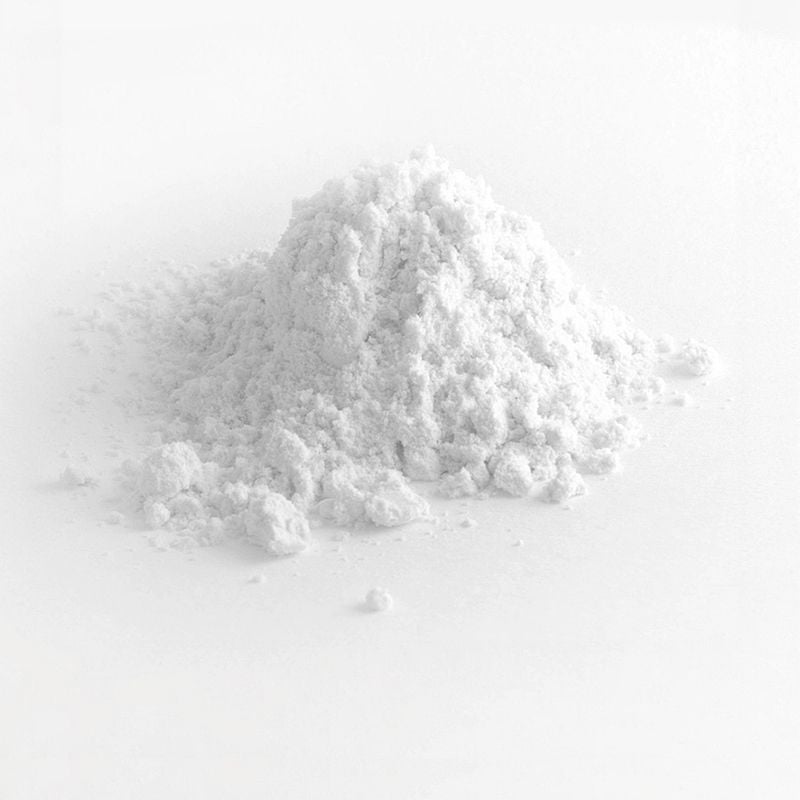
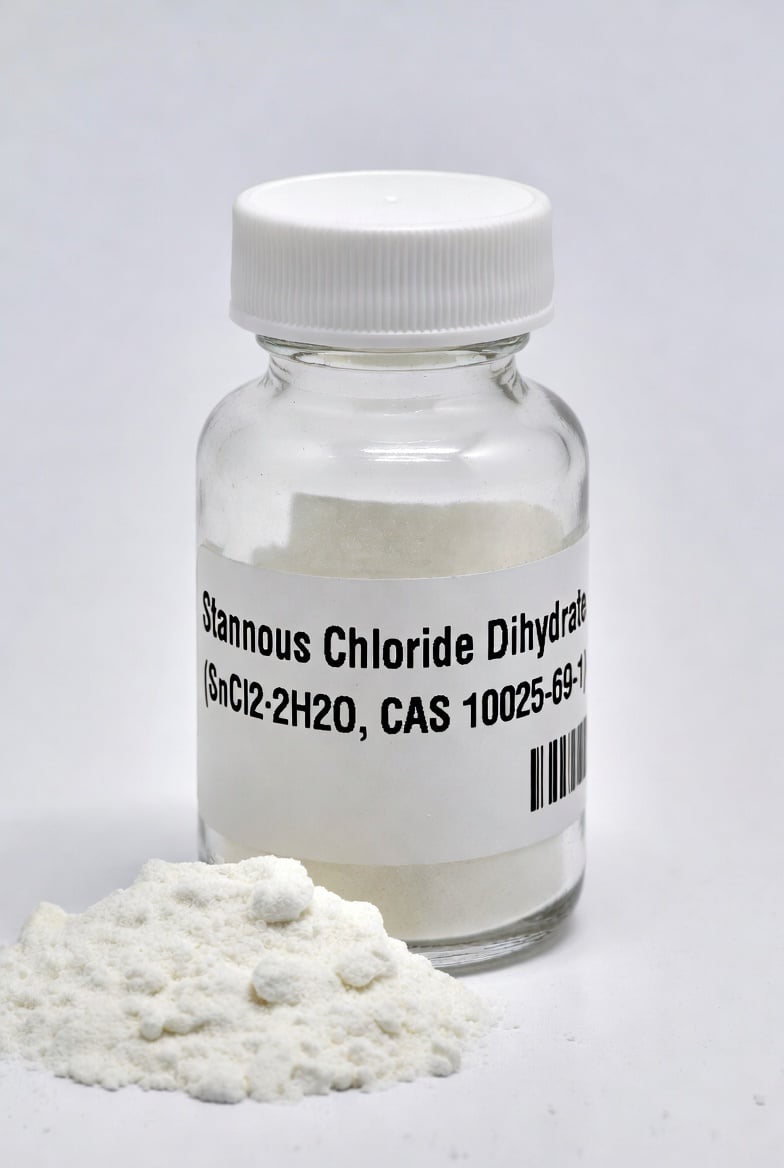
AppearanceFine white to off-white crystalline powder
Assay (as Sn²⁺)≥ 57.0%
Melting Point280 °C (Decomposes)
Density3.56 g/cm³
SolubilityInsoluble in water and alcohol; soluble in dilute HCl
Loss on Drying≤ 0.5%
Iron (Fe)≤ 0.005%
Heavy Metals (as Pb)≤ 0.02%
Chloride (Cl⁻)≤ 0.01%
Sulfate (SO₄²⁻)≤ 0.05%

Applications

  • Chemical Catalysis: Extensively utilized as an esterification and transesterification catalyst in the synthesis of specialized polymers and resins.
  • Textile Industry: Applied as a mordant in industrial fabric dyeing processes to improve colorfastness.
  • Energy & Metallurgy: Functions as an active catalyst in coal hydrogenation and specific metallurgical recovery processes.
  • Photographic Formulations: Serves as a reducing agent in specialized photographic developer solutions.

Storage & Safety

Tin (2+) Oxalate must be stored in a cool, dry, and well-ventilated warehouse, strictly isolated from strong oxidizing agents and strong acids to prevent degradation. It is sensitive to moisture and prolonged air exposure, which can cause oxidation of the bivalent tin. Personnel handling the bulk powder must use appropriate Personal Protective Equipment (PPE), including NIOSH-approved dust masks, nitrile gloves, and safety goggles, to prevent inhalation of particulates and avoid direct skin or eye contact.

Quality Assurance

To ensure batch-to-batch consistency for industrial applications, our factory implements rigorous quality control protocols. The bivalent tin (Sn2+) active content is precisely quantified using iodometric titration methods, while trace heavy metal impurities are screened via Inductively Coupled Plasma Optical Emission Spectroscopy (ICP-OES). Production workflows adhere to ISO-standard industrial chemical management systems, ensuring material stability and high catalytic activity for downstream synthesis.

FAQ - Technical & Supply Chain

  • Q:

    How is the identity and active valence state of this Tin (2+) Oxalate verified?

    A: The identity of CAS 814-94-8 is confirmed through its precise tin content (approximately 57%), which is routinely verified via titration to ensure the tin remains strictly in the active +2 oxidation state, distinguishing it from tetravalent impurities.
  • Q:

    Is Stannous Oxalate intended for use as a primary reducing agent or a catalyst in polymer synthesis?

    A: While it possesses inherent reducing properties, it is predominantly applied as an esterification and transesterification catalyst within polymer manufacturing workflows, rather than functioning solely as a bulk reducing agent in these specific processes.
Documents

Documents and Product Support

For product review and sourcing evaluation, supporting documents can be coordinated according to the product type, inquiry stage, and order requirements.

  • COA for batch-based quality reference
  • TDS for key physical and chemical information
  • SDS / MSDS for handling, storage, and safety reference
  • Packing information for sample, trial, and bulk orders
  • Technical communication based on application and specification requirements
Quotation

Information to Confirm Before Quotation

Clear sourcing information helps reduce specification mismatch and allows a more accurate quotation before sample or bulk order discussion.

  • Product name and CAS number
  • Application or intended end use
  • Required purity, grade, or specification
  • Sample quantity, trial order, or bulk demand
  • Preferred packing form or net weight
  • Destination country or port
  • Required documents or compliance expectations
Storage & Handling

Packaging, Storage, and Handling Notes

Packaging form, storage conditions, shelf life, and shipment arrangements should be confirmed according to the product characteristics, package size, and destination requirements.

Before order confirmation, buyers are advised to review the corresponding product documents and confirm whether any special storage, labeling, or handling requirements apply.

Supply Support

Sample, Bulk Order and Repeat Supply Support

Support can be arranged for sample discussion, bulk supply planning, packaging confirmation, and routine sourcing communication based on the actual product and order requirements.

For repeat-use formulations or long-term procurement plans, buyers may discuss specification consistency, packaging preferences, delivery expectations, and document coordination in advance.

Contact Form

Use our contact form to send us your questions, suggestions or comments. We will respond as soon as possible.