








Sodium chlorite, also referred to as chlorous acid sodium salt, NaClO2, or chlorite sodium salt, is an inorganic oxidizing compound corresponding to CAS 7758-19-2 and commonly supplied in solid form with controlled active content for chlorine dioxide generation. Its role is based on acid-activated conversion to chlorine dioxide, which is applied in industrial water treatment, disinfection processes, and bleaching systems where controlled oxidation is required. The material is supplied with competitive factory pricing, customized specifications, complete documentation including MSDS, TDS, COA, and reliable bulk supply.
Sodium Chlorite (CAS 7758-19-2)
- CAS: 7758-19-2
- Synonyms: Sodium chlorite, Chlorous acid sodium salt, NaClO2, Chlorite sodium salt
- Einecs: 231-836-6
- Molecular Formula: NaClO₂
- Grade: 80-90%
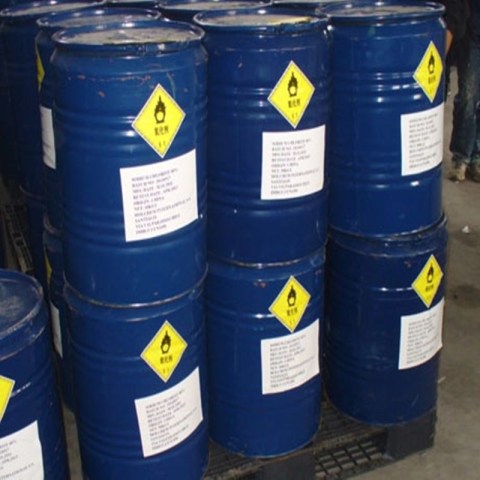
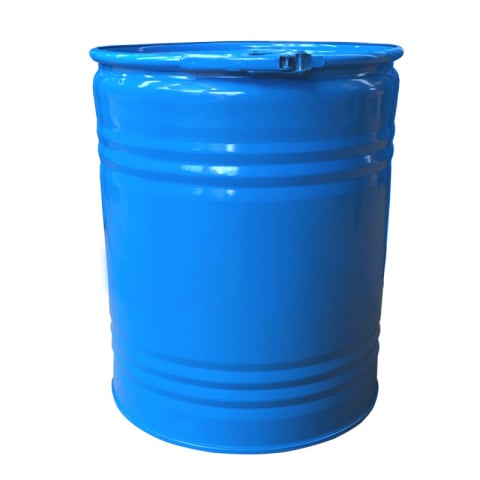
- Package: 50kg/drum or as required
Product Description
Product Overview
Sodium Chlorite Solid 80–90% is provided for industrial processing systems that require a chlorite-based oxidizing source. This product is commonly applied where chlorine dioxide is generated on site for controlled disinfection, deodorization, oxidation, or bleaching performance.
The product is generally selected for water treatment operations, industrial sanitation systems, pulp and textile-related bleaching processes, and other chemical treatment applications where product identity, active content range, and handling control are important to process compatibility.
Product Information / Specifications
| Product Name | Sodium Chlorite |
| CAS Number | 7758-19-2 |
| EINECS Number | 231-836-6 |
| Molecular Formula | NaClO₂ |
| Molecular Weight | 90.44 |
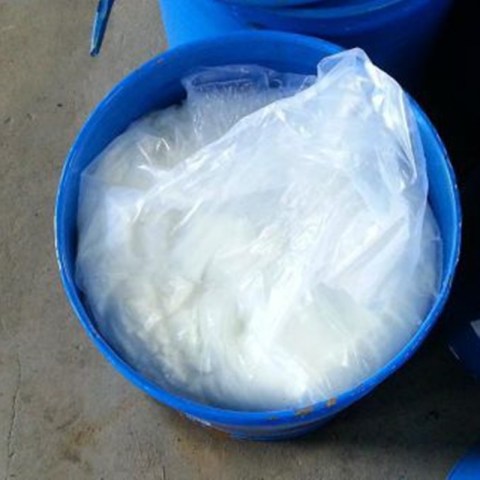
| Form | Solid |
| Typical Grade | 80–90% |
| Product Identity | Industrial chemical / oxidizing agent |
Physical & Chemical Properties
| Appearance | White to slightly yellowish crystalline solid |
| Solubility | Soluble in water |
| Chemical Character | Strong oxidizing substance |
| Reactivity Note | May release chlorine dioxide or other hazardous gases on contact with acids or incompatible materials |
Applications
- Chlorine dioxide generation for industrial water treatment and disinfection systems
- Process oxidation in municipal or industrial treatment operations
- Bleaching applications in sectors where chlorine dioxide chemistry is required
- Odor control and sanitation-related treatment programs using controlled oxidizing systems
- Selected industrial processing systems requiring chlorite-based oxidizing performance
Packaging
Standard packaging may be supplied according to grade and shipment requirement. Solid product is commonly packed in drums or other suitable sealed containers for industrial chemical transport and storage.
Packaging information may vary by grade, purity range, destination, and regulatory handling requirements.
Storage Conditions
- Store in a cool, dry, and well-ventilated area.
- Keep container tightly closed and protected from moisture.
- Keep away from acids, reducing agents, combustible materials, and organic substances.
- Avoid heat exposure and conditions that may promote decomposition.
- Use only compatible containers and handling systems suitable for oxidizing chemicals.
Safety Precautions
- Handle as a strong oxidizer under appropriate industrial safety procedures.
- Avoid inhalation of dust and prevent contact with eyes, skin, and clothing.
- Use suitable protective gloves, eye protection, protective clothing, and ventilation.
- Do not mix with acids, ammonia, reducing substances, or combustible materials.
- Refer to the latest SDS before storage, handling, transport, or process use.
FAQ - Technical & Supply Chain
-
Q:
What is Sodium Chlorite Solid 80–90% mainly used for?
A: It is mainly used as an industrial oxidizing chemical for chlorine dioxide generation, water treatment systems, disinfection processes, and selected bleaching operations. -
Q:
Is CAS 7758-19-2 the correct CAS number for sodium chlorite?
A: Yes. CAS 7758-19-2 corresponds to sodium chlorite and should match the product identity in technical and shipping documentation. -
Q:
Is this product supplied as an industrial chemical rather than a consumer disinfectant?
A: Yes. This material is positioned as an industrial chemical for controlled process use and is not presented as a finished consumer product. -
Q:
Can sodium chlorite be used directly, or is it mainly used for chlorine dioxide generation?
A: In many industrial systems, sodium chlorite is selected as a precursor for on-site chlorine dioxide generation, depending on the process design and operating conditions. -
Q:
What packaging is typically used for the solid grade?
A: The solid grade is commonly packed in sealed drums or other suitable industrial containers. Packaging may vary according to grade, quantity, transport route, and compliance requirements. -
Q:
What storage conditions are recommended for sodium chlorite solid?
A: It should be stored in a cool, dry, well-ventilated area away from acids, reducing agents, combustible materials, and moisture. -
Q:
Are technical documents available for this product?
A: Technical documents such as COA, TDS, and SDS may be provided according to the supplied grade and shipment arrangement. -
Q:
What handling points are especially important for this material?
A: The key handling points are oxidizer control, avoidance of incompatible materials, dust protection, and strict reference to the current SDS before industrial use.
Documents and Product Support
For product review and sourcing evaluation, supporting documents can be coordinated according to the product type, inquiry stage, and order requirements.
- COA for batch-based quality reference
- TDS for key physical and chemical information
- SDS / MSDS for handling, storage, and safety reference
- Packing information for sample, trial, and bulk orders
- Technical communication based on application and specification requirements
Information to Confirm Before Quotation
Clear sourcing information helps reduce specification mismatch and allows a more accurate quotation before sample or bulk order discussion.
- Product name and CAS number
- Application or intended end use
- Required purity, grade, or specification
- Sample quantity, trial order, or bulk demand
- Preferred packing form or net weight
- Destination country or port
- Required documents or compliance expectations
Packaging, Storage, and Handling Notes
Packaging form, storage conditions, shelf life, and shipment arrangements should be confirmed according to the product characteristics, package size, and destination requirements.
Before order confirmation, buyers are advised to review the corresponding product documents and confirm whether any special storage, labeling, or handling requirements apply.
Sample, Bulk Order and Repeat Supply Support
Support can be arranged for sample discussion, bulk supply planning, packaging confirmation, and routine sourcing communication based on the actual product and order requirements.
For repeat-use formulations or long-term procurement plans, buyers may discuss specification consistency, packaging preferences, delivery expectations, and document coordination in advance.
Contact Form
Use our contact form to send us your questions, suggestions or comments. We will respond as soon as possible.
Product Categories
Related Products
-
Laurylamine Dipropylenediamine CAS 2372-82-9 -
Sodium Fluoride CAS 7681-49-4 -
Benzethonium Chloride CAS 121-54-0Benzethonium Chloride (CAS 121-54-0) -
Beryllium Phosphide CAS 12232-25-6 -
Sodium Carbonate CAS 497-19-8 -
Calcium Nitrite CAS 13780-06-8 -
Thionyl Tetrafluoride CAS 13709-54-1 -
Difluorophosphoric Acid CAS 13779-41-4