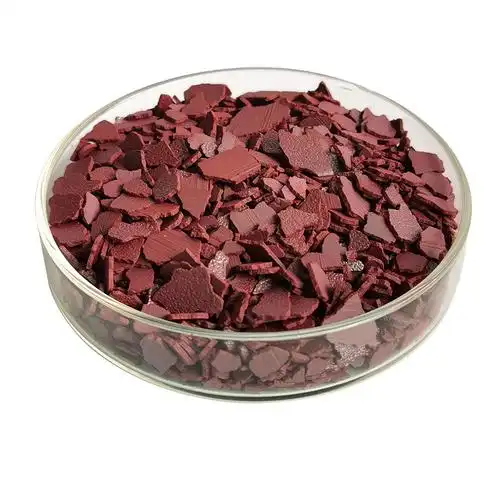










Potassium Chromate (K₂CrO₄), CAS 7789-00-6, is also known as chromate of potassium. It is an inorganic chromium(VI) salt used in metallurgical and chemical processing, metal treatment, chromate and pigment manufacture, and regulated laboratory use. As an oxidizing agent containing hexavalent chromium, confirm the required content, impurity limits, packaging and documentation before ordering.
Potassium Chromate CAS 7789-00-6
- CAS: 7789-00-6
- Synonyms: Potassium Chromate; Chromate of Potassium; Potassium Chromium(VI) Oxide; K₂CrO₄
- Einecs: 232-140-5
- Molecular Formula: K₂CrO₄
- Grade: Assay and impurity limits: confirm for quoted grade
- Package: Pack size and liner: confirm with quote
Product Description
Potassium chromate
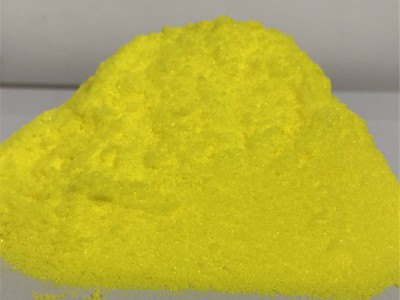
Product name and properties: Potassium chromate is a yellow crystalline solid or powder. State the required assay, impurity limits and test methods when requesting a quote; the offered grade is confirmed against the final source.
Uses: Used in the manufacture of metal rust inhibitors and chromates; as an oxidant and a mordant for printing and dyeing; and for inks, pigments, enamels and metal corrosion treatment. It has oxidizing properties and is used for leather tanning, as a mordant and as an analytical reagent. The chromium in potassium chromate is hexavalent chromium(VI).
Indicator use: It is also used as an indicator in the Mohr titration of chloride with silver nitrate. Indicator preparation: dissolve 10 g of potassium chromate in 100 mL of water, add silver nitrate (AgNO₃) dropwise until a slight reddish precipitate forms, then let stand overnight and filter. The endpoint is the appearance of a persistent reddish precipitate.
Packaging: Specify the required pack size and liner for quotation. Final packaging and transport suitability are confirmed with the offered source and destination requirements.
Storage: Keep sealed in a dry, cool, well-ventilated place.
FAQ - Technical & Supply Chain
-
Q:
Are Potassium Chromate and K2CrO4 the same chromium(VI) salt?
A: Yes. Potassium chromate is K2CrO4, CAS 7789-00-6. It is not potassium dichromate, and the two salts should not be substituted on name similarity alone. The product name, CAS number and formula should agree across the quotation. -
Q:
What is Potassium Chromate used for?
A: It is used in the manufacture of metal rust inhibitors and chromates, as an oxidant, printing and dyeing mordant, tanning agent and analytical reagent, and in inks, pigments and enamels. State the intended technical use so the grade and impurity limits can be matched. -
Q:
What must be confirmed before purchasing industrial Potassium Chromate?
A: Agree assay, pH basis, insoluble matter, chloride, sulfate, moisture and particle form with the methods. Because potassium chromate is a regulated chromium(VI) substance, the buyer must also confirm lawful use, destination controls, packaging and current documentation. -
Q:
What storage and safety precautions apply to Potassium Chromate?
A: Store sealed in a dry, low-temperature, well-ventilated place and avoid contact with reducing agents, acids and combustible materials. Follow local chromium(VI) regulatory requirements for exposure controls, waste management and transport. -
Q:
What are the key physical properties of Potassium Chromate?
A: Potassium chromate K2CrO4, CAS 7789-00-6, is a lemon-yellow crystalline powder with a melting point around 968-975 C and density about 2.73 g/cm3. It is freely soluble in water, commonly about 630-640 g/L at 20 C, but insoluble in ethanol.
Ordering & Documentation
Key information for document requests, quotations, and supply planning.
Documents
Tell us which documents your procurement team needs. Before an order, we will check whether the quoted source can provide them for the offered lot.
Quotation
Send the CAS number, grade, quantity, packing preference and destination.
Sample & Supply
Ask whether samples, trial quantities or repeat orders are possible. We will check each request against the sourced product and current offer.
Storage & Shipping
Product-specific conditions are confirmed before order.