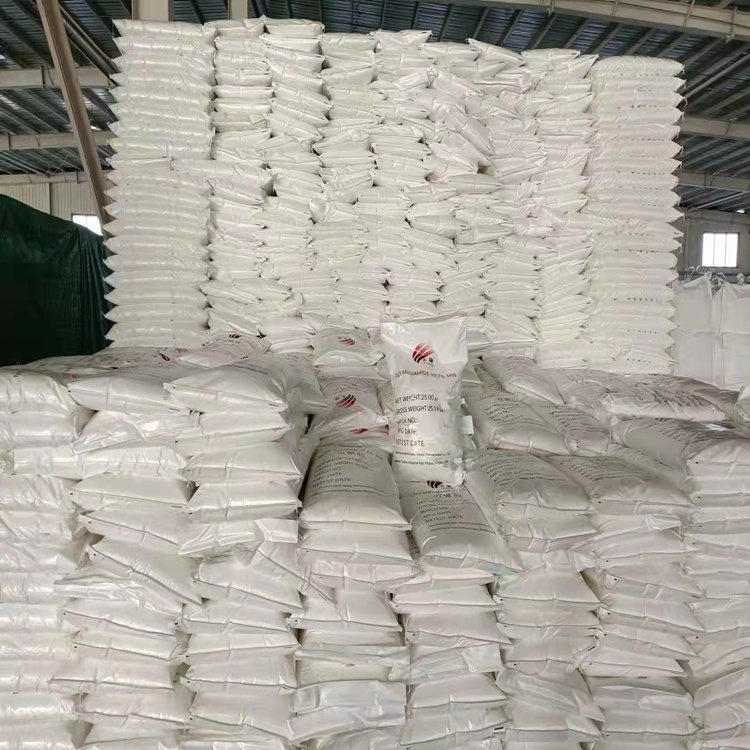
Tetrachlorophthalic Anhydride (TCPA), CAS 117-08-8, is also known as perchlorophthalic anhydride. It is a chlorinated cyclic anhydride used as a reactive intermediate in polymer flame-retardant synthesis and as a precursor for phthalocyanine dyes and pigments. Confirm the anhydride assay or content, impurity limits, packaging and documentation needs before ordering.
Tetrachlorophthalic Anhydride CAS 117-08-8
- CAS: 117-08-8
- Synonyms: TCPA; 1,3-Isobenzofurandione, 4,5,6,7-tetrachloro-; Tetrachlorophthalic acid anhydride; Perchlorophthalic anhydride
- Einecs: 204-171-4
- Molecular Formula: C₈Cl₄O₃
- Grade: Specify anhydride assay, moisture, colour and impurity limits for the required grade; confirm against the current offer.
- Package: Confirm available drum or other packaging, liner, net weight and moisture protection for the current offer.
Product Description
Tetrachlorophthalic anhydride (TCPA), CAS 117-08-8, EC 204-171-4.
Molecular formula: C₈Cl₄O₃; molecular weight: 285.88.
Identity: A chlorinated phthalic anhydride. Confirm the anhydride form; it is not tetrachlorophthalic acid.
Reference appearance and physical data: White to off-white crystalline material; reported melting range is around 254–258 °C. Confirm the offered grade and test method rather than treating this reference range as a lot specification.
Application: An intermediate for selected pigments, dyes and resins. State the intended process and impurity requirements in the RFQ.
Buyer specification: Agree anhydride assay, moisture or hydrolysis level, acid value, colour, insoluble matter and relevant chlorinated impurities. Include free chlorine, iron or HCB limits only where the application requires them; verify numerical limits against the actual sourced grade.
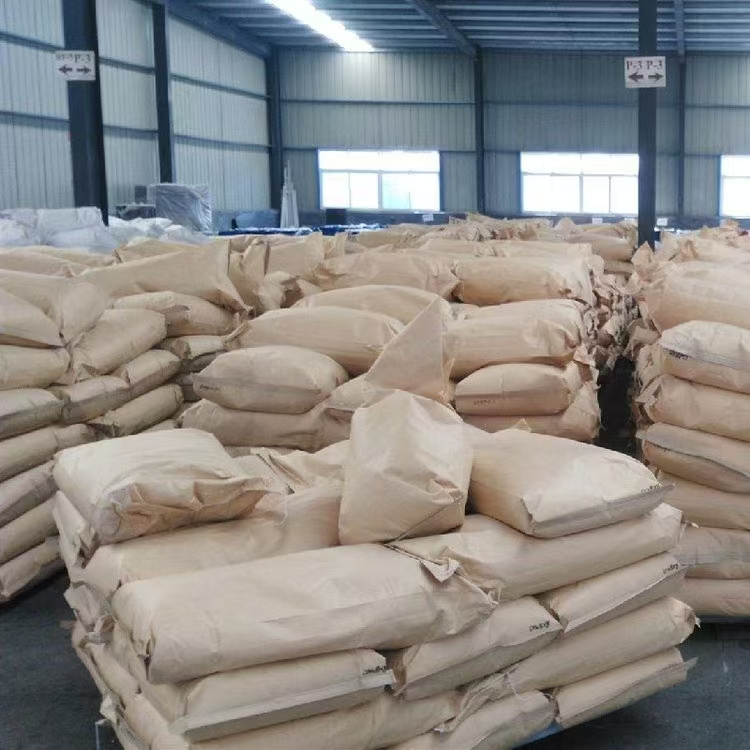
Packaging: Request the available drum or other packaging, liner, net weight and moisture protection for the current offer.
Documents: State the required COA/TDS/SDS, quantity and destination. Check the quoted product and lot documents before ordering.
FAQ - Technical & Supply Chain
-
Q:
Are Tetrachlorophthalic Anhydride and Tetrachloro Phthalic Anhydride the same substance?
A: Yes. Both spellings refer to CAS 117-08-8, formula C8Cl4O3. It is a chlorinated phthalic anhydride and is not phthalic anhydride or tetrachlorophthalic acid. State the CAS number and anhydride form in the purchase specification. -
Q:
What is Tetrachlorophthalic Anhydride used for?
A: Tetrachlorophthalic anhydride is used as an intermediate for selected pigments and dyes and in certain flame-retardant resin systems. In an RFQ, state the target process and limits for colour-affecting impurities, because requirements differ by application. -
Q:
Which specifications matter when purchasing Tetrachlorophthalic Anhydride?
A: Confirm anhydride assay or content, water or hydrolysis level, acid value, melting-point range and test method, colour, insoluble matter and relevant chlorinated impurities. Set limits for free chlorine, iron, alkali-insoluble matter or HCB only where the application requires them, and verify the limits against the offered grade. -
Q:
What packaging and moisture controls are required?
A: The packaging should protect this anhydride from moisture. Confirm the actual offered container, liner, net weight, seal condition and destination requirements; do not assume a fixed drum size before a source is quoted. Use the current SDS and supplier storage instructions because water contact can hydrolyze the anhydride. -
Q:
What appearance, melting point and solubility should be expected for TCPA?
A: TCPA CAS 117-08-8 is normally a white to almost-white crystalline powder or needles, with a melting range commonly around 254-258 C and a boiling point near 371 C. It is soluble in dioxane, has very low water solubility around 0.8 mg/L at 21 C, and can hydrolyze to tetrachlorophthalic acid in hot water.
Ordering & Documentation
Key information for document requests, quotations, and supply planning.
Documents
Tell us which documents your procurement team needs. Before an order, we will check whether the quoted source can provide them for the offered lot.
Quotation
Send the CAS number, grade, quantity, packing preference and destination.
Sample & Supply
Ask whether samples, trial quantities or repeat orders are possible. We will check each request against the sourced product and current offer.
Storage & Shipping
Product-specific conditions are confirmed before order.