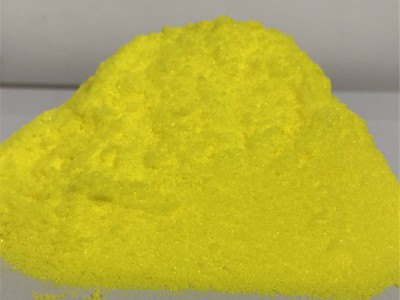










Chromium Trioxide (Chromic Anhydride), CAS 1333-82-0, is also known as chromium(VI) oxide. It is used for controlled chromium electroplating and metal-finishing systems. Before requesting a quotation, confirm assay, sulfate and other relevant impurity limits, physical form, compatible regulated packaging and destination requirements and request current TDS, COA and SDS.
Chromium Trioxide (Chromic Anhydride) CAS 1333-82-0
- CAS: 1333-82-0
- Synonyms: Chromium trioxide; Chromium(VI) oxide; Chromic anhydride; CrO₃
- Einecs: 215-607-8
- Molecular Formula: CrO₃
- Grade: Confirm on the offered specification and lot COA: assay, sulfate and other relevant impurity limits, physical form, compatible regulated packaging, and destination requirements
- Package: Compatible regulated packaging; confirm physical form, quantity, transport route and destination requirements
Product Description
Product name: Chromium Trioxide
Chemical formula: CrO₃
Molar mass: 99.99 g/mol
CAS Number: 1333-82-0
EC number: 215-607-8
Melting point: 196 °C
Boiling point: 250 °C (decomposes)
Water solubility: 1660 g/L at 20 °C
Density: 2.70 g/cm³
Appearance: Dark red orthorhombic crystal
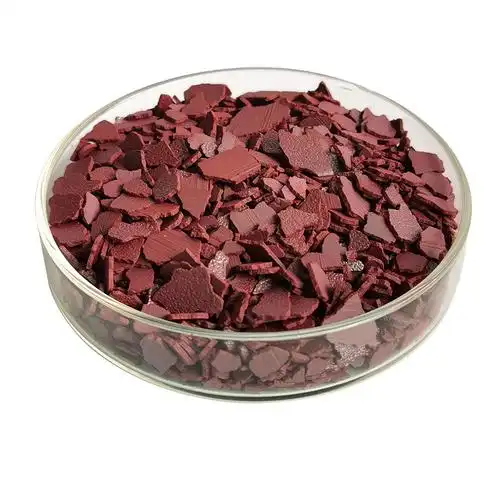
Applications: primarily controlled chromium electroplating and metal-finishing systems, with selected oxidation and anodizing processes. Confirm assay, sulfate and other bath-relevant impurities, physical form, packaging, destination controls and the current SDS before RFQ.
FAQ - Technical & Supply Chain
-
Q:
Are Chromium Trioxide and Chromic Anhydride the same substance?
A: Yes. Chromium trioxide and chromic anhydride identify CAS 1333-82-0, CrO₃, a chromium(VI) oxidizing compound. It is not chromium(III) oxide, chromic chloride or a chromium plating solution. The order should state the solid grade, assay basis and applicable chromium impurity limits. -
Q:
Which controls are important before purchasing bulk Chromium Trioxide?
A: Agree assay, water, insoluble matter, sulfate, chloride, metals and particle form with the test methods. Confirm approved oxidizer packaging, segregation from organics and reducing agents, exposure controls, transport classification and current SDS. The receiving site should approve the handling procedure before shipment.
Ordering & Documentation
Key information for document requests, quotations, and supply planning.
Documents
Tell us which documents your procurement team needs. Before an order, we will check whether the quoted source can provide them for the offered lot.
Quotation
Send the CAS number, grade, quantity, packing preference and destination.
Sample & Supply
Ask whether samples, trial quantities or repeat orders are possible. We will check each request against the sourced product and current offer.
Storage & Shipping
Product-specific conditions are confirmed before order.