










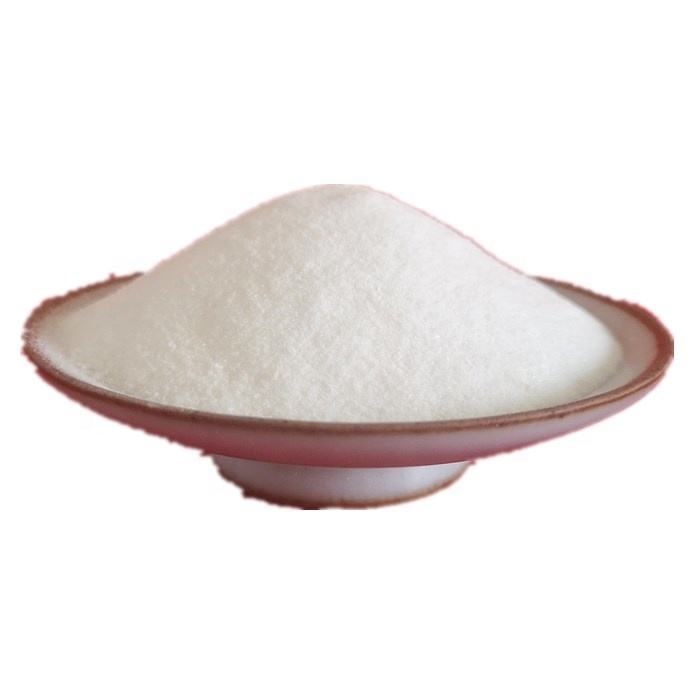
Sodium Metabisulfite (CAS 7681-57-4) is an inorganic compound functioning as a reducing agent and antioxidant within industrial water treatment processes and bleaching operations. Chemically identified as Sodium Pyrosulfite or Disodium Metabisulfite, this white crystalline powder acts effectively to neutralize oxidizers and remove excess chlorine in aqueous systems. As a versatile Sodium Disulfite component, it is widely utilized for its stability and reactivity in various technical formulations. We ensure bulk supply capabilities for this material, providing access to competitive factory pricing and customized specifications to meet specific processing requirements. Full technical documentation, including MSDS, TDS, COA, is available to support compliance and safety protocols.
Sodium Metabisulfite CAS 7681-57-4
- CAS: 7681-57-4
- Synonyms: Sodium Pyrosulfite, Disodium Metabisulfite, Sodium Disulfite, Disodium Pyrosulfite
- Einecs: 231-673-0
- Molecular Formula: Na2S2O5
- Grade: Industrial Grade / Food Grade
- Package: 25kg PP/PE liner bags, 500kg/1000kg Jumbo bags (Customizable)
Product Description
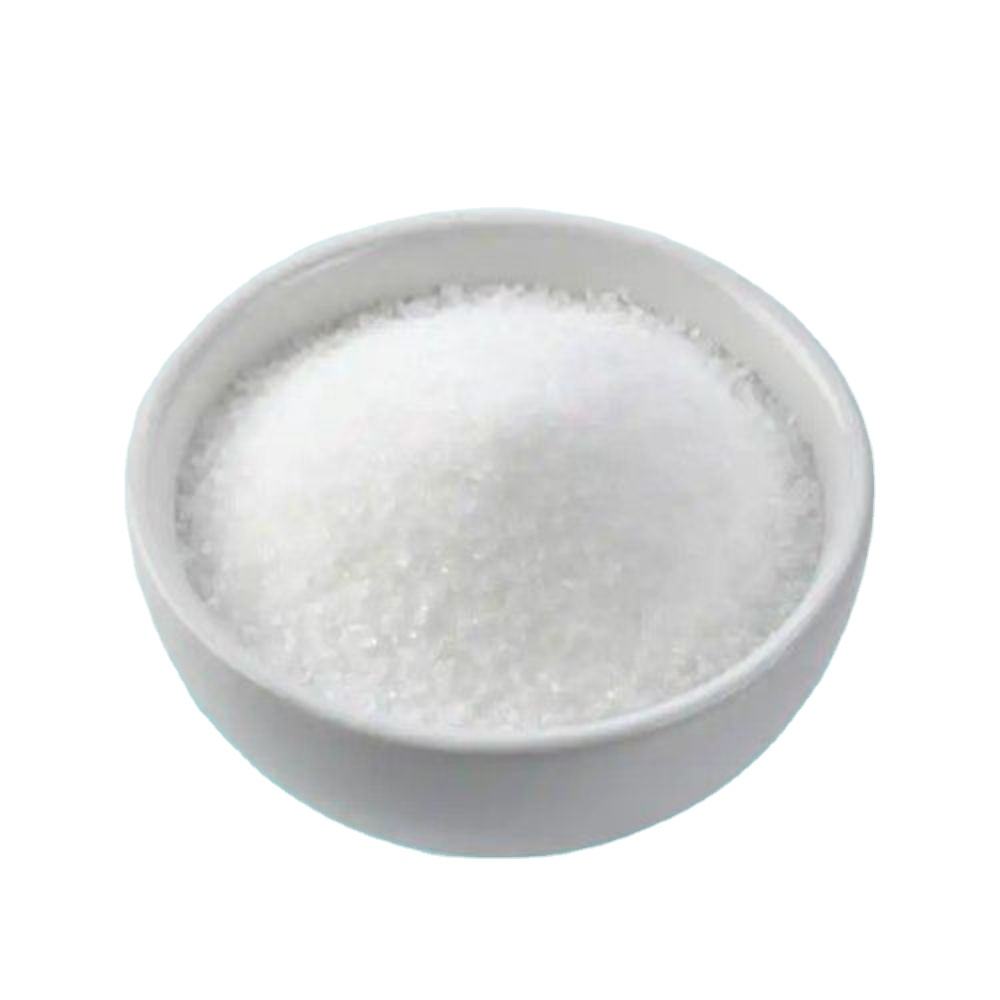
Sodium Metabisulfite is an inorganic compound that appears as a white or slightly yellowish crystalline powder with a slight odor of sulfur dioxide. It is highly soluble in water, forming an acidic solution. As a strong reducing agent, it is chemically active and readily oxidizes to sodium sulfate when exposed to moist air. Our product is produced using advanced chemical synthesis processes to ensure high purity (≥96.5%) and low impurity content, making it suitable for demanding applications in water treatment, mining, and textile processing.
Physicochemical Properties
| Parameter | Specification (Industrial Standard) |
|---|---|
| Appearance | White or light yellow crystalline powder |
| Purity (as Na2S2O5) | ≥ 96.5% |
| Sulfur Dioxide (SO2) Content | ≥ 65.0% |
| Iron (Fe) | ≤ 0.005% (50 ppm) |
| Water Insoluble Matter | ≤ 0.05% |
| pH Value (5% Solution) | 4.0 – 4.6 |
| Arsenic (As) | ≤ 0.0002% (2 ppm) |
| Heavy Metals (as Pb) | ≤ 0.001% (10 ppm) |
| Solubility | Soluble in water (approx. 54g/100ml at 20°C) |
| Odor | Slight sulfur dioxide odor |
Applications
- Water Treatment: Used effectively for dechlorination (removing excess chlorine) in reverse osmosis (RO) systems and for the reduction of hexavalent chromium to trivalent chromium in wastewater.
- Mining & Mineral Processing: Acts as a depressant and flotation agent in the mining industry, particularly in the extraction of gold and processing of copper/lead/zinc ores.
- Textile & Dyeing: Serves as a bleaching agent for wool and cotton, a dechlorinating agent after bleaching, and a mordant in the dyeing industry.
- Paper Industry: Used for bleaching paper pulp to improve brightness.
- Chemical Synthesis: utilized in the production of sulfones and resins; used as a reducing agent in organic synthesis.
- Food Industry (Food Grade): Used as a preservative, antioxidant, and color fixative in processed foods to prevent browning and spoilage.
Storage Conditions
- Environment: Store in a cool, dry, and dark warehouse (below 25°C is ideal).
- Air Exposure: The product oxidizes easily. Keep containers tightly closed when not in use.
- Incompatibility: Store separately from oxidants, strong acids, and direct heat sources. Never store with acids as toxic sulfur dioxide gas will be released.
- Shelf Life: typically 12-24 months if stored correctly in unopened original packaging.
Safety Precautions
- Respiratory Protection: Wear a dust mask or respirator. Inhalation of dust or gas (SO2) can irritate the respiratory tract and cause asthma-like symptoms.
- Skin & Eye Protection: Wear protective gloves, safety goggles, and protective clothing to prevent contact. It causes irritation to eyes and skin.
- Handling: Use in a well-ventilated area. Avoid generating dust.
- Emergency: In case of contact with eyes, rinse immediately with plenty of water for at least 15 minutes and seek medical advice.
FAQ - Technical & Supply Chain
-
Q:
What is the chemical identity and primary function of Sodium Metabisulfite CAS 7681-57-4?
A: Sodium Metabisulfite (CAS 7681-57-4), also known as Sodium Pyrosulfite, is an inorganic salt intended for use as a reducing agent and preservative in industrial processing and chemical synthesis. -
Q:
Is this material suitable for use in water treatment formulations?
A: Yes, this product is typically applied in industrial water treatment processes, specifically functioning as a dechlorination agent and oxygen scavenger within established operational parameters.
Documents and Product Support
For product review and sourcing evaluation, supporting documents can be coordinated according to the product type, inquiry stage, and order requirements.
- COA for batch-based quality reference
- TDS for key physical and chemical information
- SDS / MSDS for handling, storage, and safety reference
- Packing information for sample, trial, and bulk orders
- Technical communication based on application and specification requirements
Information to Confirm Before Quotation
Clear sourcing information helps reduce specification mismatch and allows a more accurate quotation before sample or bulk order discussion.
- Product name and CAS number
- Application or intended end use
- Required purity, grade, or specification
- Sample quantity, trial order, or bulk demand
- Preferred packing form or net weight
- Destination country or port
- Required documents or compliance expectations
Packaging, Storage, and Handling Notes
Packaging form, storage conditions, shelf life, and shipment arrangements should be confirmed according to the product characteristics, package size, and destination requirements.
Before order confirmation, buyers are advised to review the corresponding product documents and confirm whether any special storage, labeling, or handling requirements apply.
Sample, Bulk Order and Repeat Supply Support
Support can be arranged for sample discussion, bulk supply planning, packaging confirmation, and routine sourcing communication based on the actual product and order requirements.
For repeat-use formulations or long-term procurement plans, buyers may discuss specification consistency, packaging preferences, delivery expectations, and document coordination in advance.


