










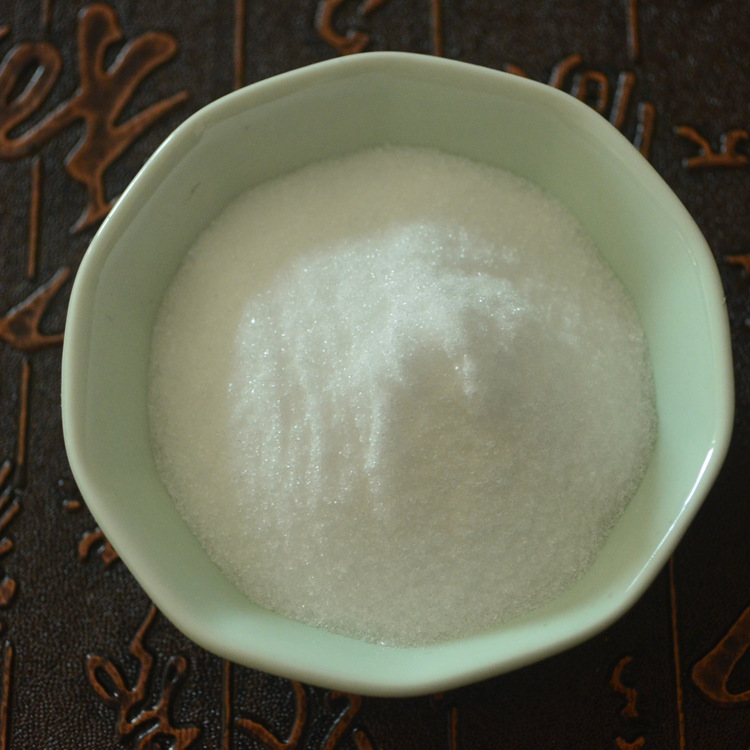
Chitosan Powder (CAS 9012-76-4) is a linear polysaccharide functioning as a potent bio-based flocculant in wastewater treatment and an elicitor in agricultural applications. Chemically identified as Poly(D-glucosamine) or Deacetylated chitin, this off-white powder acts to chelate heavy metals and coagulate suspended solids through cationic charge interactions. As a functional Poliglusam biopolymer, it is widely utilized in water purification systems and textile antimicrobial finishing. For synthetic cationic coagulation programs, PolyDADMAC is a related water-treatment polymer. We ensure bulk supply capabilities for this material, providing access to competitive factory pricing and customized specifications to meet specific degree of deacetylation (DDA) and viscosity requirements. Full technical documentation, including MSDS, TDS, COA, is available to support compliance and safety protocols.
Chitosan Powder CAS 9012-76-4
- CAS: 9012-76-4
- Synonyms: Poly(D-glucosamine), Deacetylated chitin, Poliglusam, Beta-(1,4)-2-amino-2-deoxy-D-glucose
- Einecs: 618-480-0
- Molecular Formula: (C6H11NO4)n
- Grade: Food Grade / Industrial Grade / Agriculture Grade
- Package: 25kg Fiber Drum or Paper Bag with inner PE liner (Customizable)
Product Description
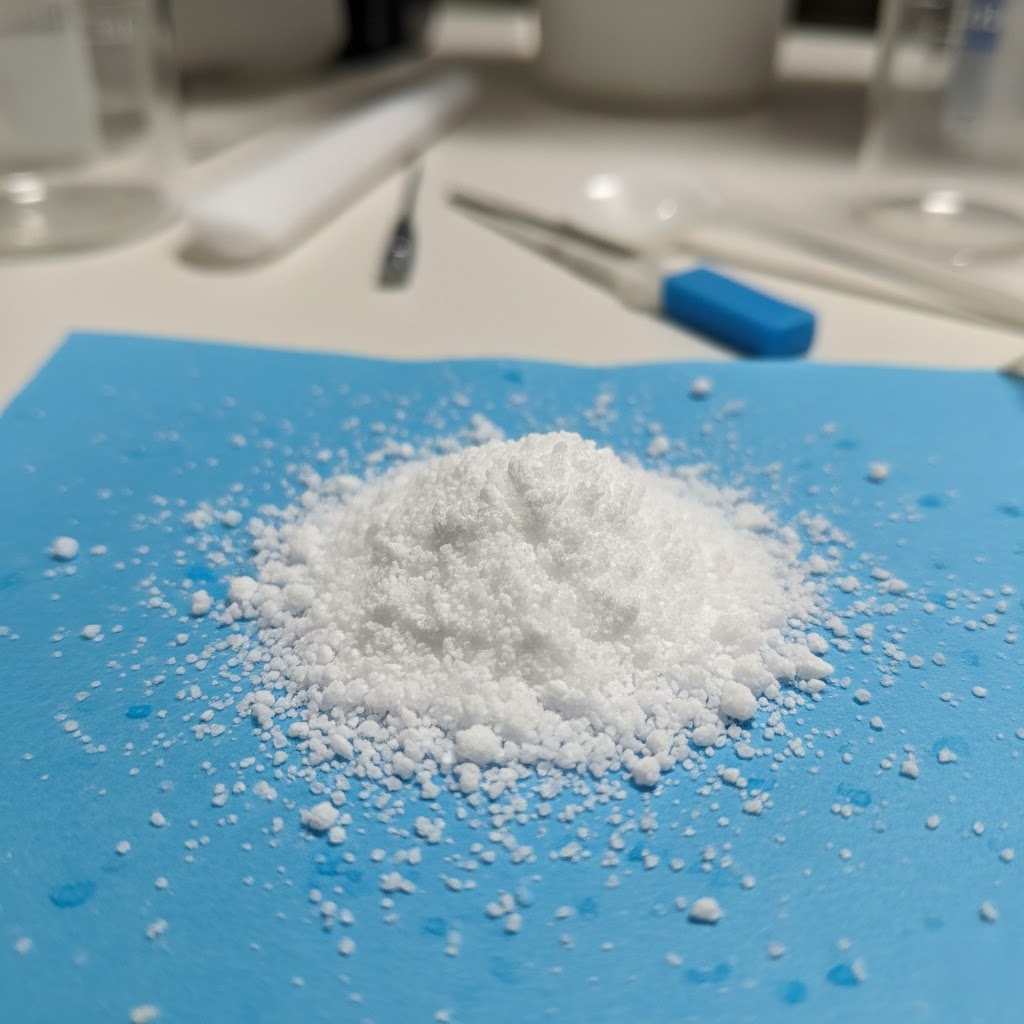
Chitosan is a linear polysaccharide produced by the deacetylation of chitin. It appears as an off-white, odorless, semi-transparent, and amorphous solid. It is non-toxic, biodegradable, and possesses cationic properties, which makes it unique among natural polysaccharides.
Our Chitosan powder is processed through strict quality control to ensure low heavy metal content and precise viscosity ranges. While insoluble in water and organic solvents, it dissolves readily in dilute acids (such as acetic acid or lactic acid) to form a viscous solution. It is widely recognized for its antimicrobial, film-forming, and chelating properties.
Physicochemical Properties
| Parameter | Specification (High Quality Standard) |
|---|---|
| Appearance | Off-white to light yellow powder or flake |
| Deacetylation Degree (DAC) | ≥ 85.0% / 90.0% / 95.0% (Customizable) |
| Viscosity | 50 – 800 mPa.s (Customizable: Low/Medium/High) |
| Moisture / Loss on Drying | ≤ 10.0% |
| Ash Content | ≤ 1.0% |
| pH Value | 7.0 – 8.0 |
| Particle Size | 80 – 100 Mesh (Pass rate ≥ 98%) |
| Heavy Metals (as Pb) | ≤ 10 ppm (≤ 0.001%) |
| Arsenic (As) | ≤ 1 ppm |
| Insolubles in Acid | ≤ 1.0% |
Applications
- Food Industry:
- Preservative: Used as a natural antibacterial and antifungal coating for fruits and vegetables to extend shelf life.
- Clarifying Agent: Used in fruit juice and winemaking to remove suspended solids.
- Additive: Acts as a thickener, stabilizer, and texture modifier.
- Agriculture:
- Biopesticide/Fungicide: Boosts plant innate immunity to defend against fungal infections.
- Soil Amendment: Stimulates beneficial soil microorganisms.
- Seed Coating: Enhances germination rates and seedling vigor.
- Water Treatment:
- Flocculant: Highly effective in coagulating suspended solids and chelating heavy metals from industrial wastewater due to its cationic nature.
- Industrial & Chemical:
- Used in paper making to improve paper strength.
- Used in textile printing and dyeing as a binder.
Storage Conditions
- Environment: Store in a cool, dry, and well-ventilated area.
- Protection: Keep away from direct sunlight and moisture. Chitosan is hygroscopic (absorbs moisture).
- Sealing: Ensure the container is tightly sealed after use to prevent oxidation and moisture absorption.
- Shelf Life: Typically 24 months when stored properly in original packaging.
Safety Precautions
- Allergen Warning: This product is derived from Crustaceans (Shellfish). Persons with shellfish allergies should avoid contact or inhalation.
- Inhalation: Avoid breathing dust. High concentrations of dust may cause respiratory irritation. Wear a dust mask.
- Skin & Eyes: Generally non-irritating, but standard safety practice suggests wearing gloves and safety goggles to prevent mechanical irritation.
- Disposal: Dispose of in accordance with local environmental regulations. The product is biodegradable.
FAQ - Technical & Supply Chain
-
Q:
What is Chitosan Powder CAS 9012-76-4?
A: Chitosan Powder CAS 9012-76-4 is a linear cationic polysaccharide produced by deacetylating chitin, usually from crustacean shells. It is supplied as an off-white to light yellow powder or flake with the repeat-unit formula (C6H11NO4)n and is biodegradable, film-forming and chelating. -
Q:
How is chitosan powder different from chitin?
A: Chitin is an acetylated natural polymer, while chitosan is obtained by removing enough acetyl groups to expose free amino sites. In dilute acid, those amino groups become protonated, giving chitosan a cationic charge and making it soluble in dilute acids such as acetic acid or lactic acid, unlike chitin. -
Q:
Which degree of deacetylation grades are available?
A: This listing offers degree of deacetylation levels of at least 85.0%, 90.0% and 95.0%, with customization available. Higher deacetylation generally increases the number of free amine groups, acid solubility and cationic charge density, so the grade should be matched to the target application. -
Q:
How should I choose the right viscosity grade?
A: Viscosity is usually measured in a dilute acid solution and is related to molecular weight. The available range is about 50-800 mPa.s and can be customized as low, medium or high; lower viscosity suits clearer or lower-thickness solutions, while higher viscosity is often selected for thicker solutions, films or flocculation. -
Q:
What are the main uses of Chitosan Powder?
A: It is used as a bio-based coagulant or flocculant in water treatment, as a chelating and antimicrobial agent in food coatings, and in agriculture for seed treatment or soil improvement. Other applications include juice or wine clarification, papermaking and textile finishing. -
Q:
How is Chitosan Powder dissolved and stored?
A: Chitosan is normally insoluble in neutral water and ordinary organic solvents, so it is dissolved in dilute acids such as acetic acid or lactic acid under agitation. Store it sealed in a cool, dry, well-ventilated area away from direct sunlight, moisture and strong oxidizers, and follow the supplier's shelf-life and packaging instructions.
Ordering & Documentation
Key information for document requests, quotations, and supply planning.
Documents
COA, TDS, SDS/MSDS and packing details are available on request.
Quotation
Send the CAS number, grade, quantity, packing preference and destination.
Sample & Supply
Support is available for samples, trial orders, bulk and repeat supply.
Storage & Shipping
Product-specific conditions are confirmed before order.

