










• Cyanuric Acid CAS  108-80-5

Cyanuric Acid CAS 108-80-5

Cyanuric Acid CAS 108-80-5 is a cyclic triazine derivative chemically defined as 1,3,5-Triazine-2,4,6(1H,3H,5H)-trione , functioning primarily as a chlorine stabilizer in industrial water treatment and a chemical intermediate in the synthesis of chlorinated isocyanurates. Also known as Isocyanuric acid or s-Triazinetrione, this compound is utilized to prevent the photochemical degradation of active chlorine in outdoor aqueous systems and serves as a precursor for the manufacturing of melamine cyanurate flame retardants and specialized cross-linking agents. We provide professional access to this material with competitive factory pricing and the ability to meet customized specifications for various manufacturing requirements. Our commitment to technical transparency ensures that every shipment is accompanied by comprehensive MSDS, TDS, COA documentation to support your quality assurance protocols, and we maintain capacity for consistent bulk supply to facilitate large-scale industrial operations.

  • CAS: 108-80-5
  • Synonyms: Isocyanuric acid, 1,3,5-Triazine-2,4,6(1H,3H,5H)-trione, s-Triazinetrione, Tricarbimide, 1,3,5-Triazine-2,4,6-triol
  • Einecs: 203-618-0
  • Molecular Formula: C₃H₃N₃O₃
  • Grade: Industrial Grade
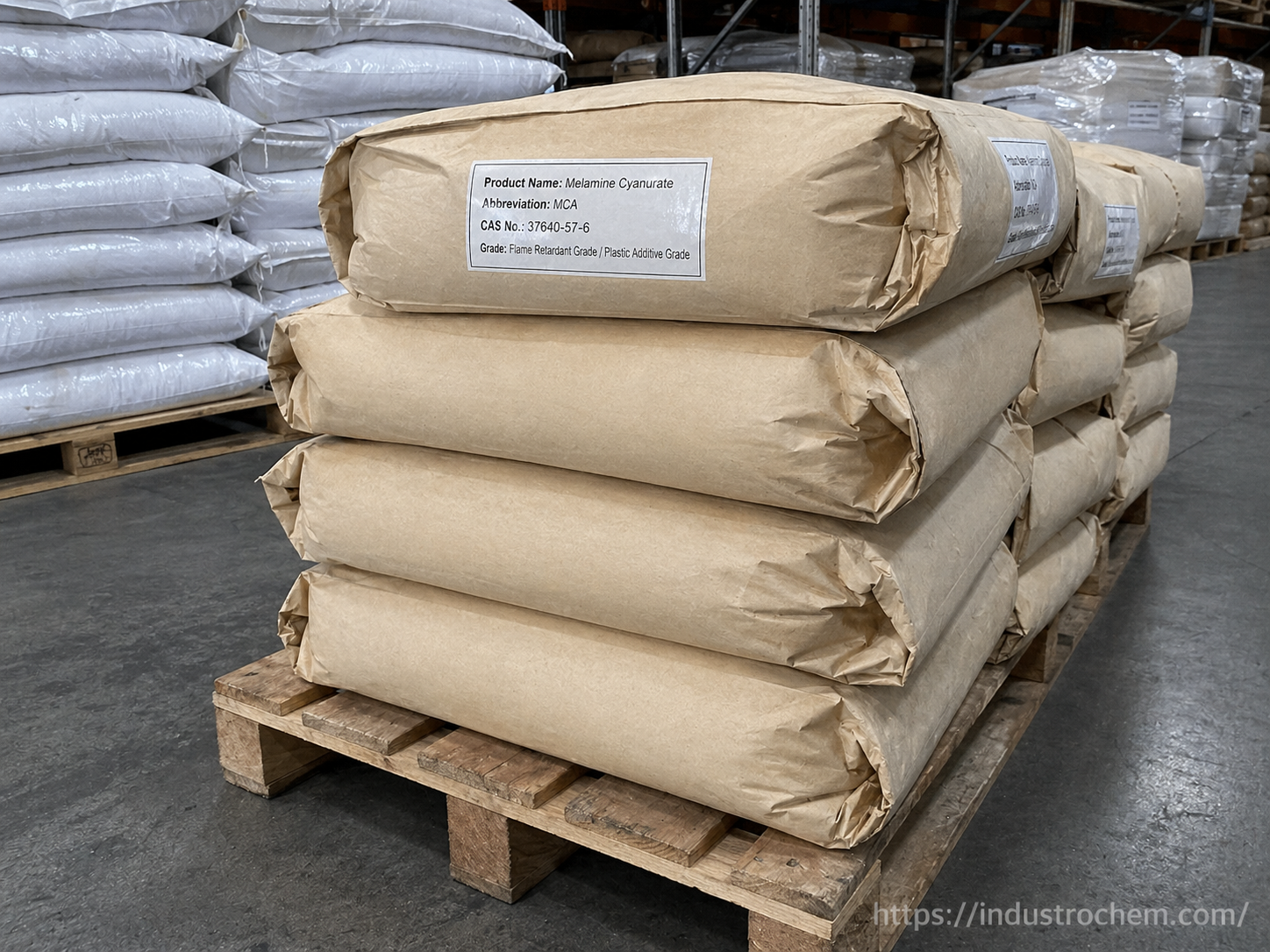
  • Package: 25 kg bag (standard); 1000 kg big bag optional (customizable)
Request a quote
Share:

Product Description

Cyanuric Acid is also known as 1,3,5-triazine-2,4,6-triol. It has good thermal stability and very low volatility. In pool and spa water treatment, it helps reduce chlorine loss caused by sunlight, improving the effectiveness and stability of free chlorine in outdoor systems. It is also used as a raw material/intermediate for manufacturing chlorinated isocyanurates and other related products.


Physicochemical Properties

Typical values; final specifications are subject to batch COA.

ItemTypical Value / Specification
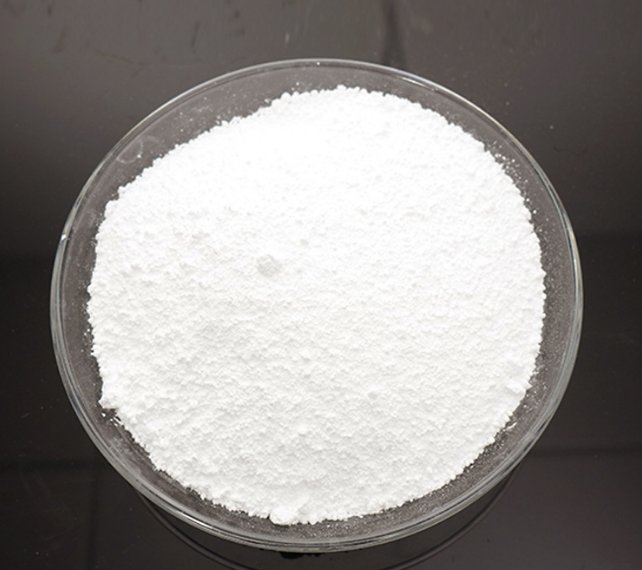
AppearanceWhite crystalline powder
CAS108-80-5
EC (EINECS)203-618-0
Molecular formulaC₃H₃N₃O₃
Molecular weight129.07 g/mol
Melting point320–360 °C (decomposes)
Density~1.7–1.8 g/cm³ (typical)
Solubility in water (25 °C)Low (reported ~2.7 g/L)
OdorOdorless (typical)

Applications

  • Swimming pool & spa water treatment: chlorine stabilizer to reduce UV degradation
  • Chemical intermediate: for manufacturing chlorinated isocyanurates (e.g., disinfectant intermediates)
  • Industrial formulations where triazine-based intermediates are required (application-dependent)

Storage Conditions

  • Store in cool, dry, well-ventilated warehouse; keep containers tightly sealed.
  • Protect from moisture and contamination; keep away from strong oxidizers.
  • Avoid generating dust during handling.
  • Typical shelf life: 24 months under proper storage (depends on packaging & humidity control).

Safety Precautions

  • Avoid dust inhalation; use local ventilation and dust mask/respirator where necessary.
  • Wear protective gloves and safety goggles; wash hands after handling.
  • Eye irritation classification can vary by supplier/regulatory context; some SDS classify it as Eye Irritation Category 2 (H319)—follow the SDS provided with your shipment.
  • Spills: avoid raising dust, collect mechanically, dispose according to local regulations.

FAQ - Technical & Supply Chain

  • Q:

    How is Cyanuric Acid (CAS 108-80-5) chemically verified for industrial consistency?

    A: Cyanuric Acid is identified by CAS 108-80-5 and exists primarily in its keto-tautomer form (1,3,5-Triazine-2,4,6-trione). Industrial verification is based on its high nitrogen content (approx. 32%) and specific solubility characteristics in alkaline solutions, distinguishing it from urea or melamine impurities.
  • Q:

    What is the primary function of Cyanuric Acid in water treatment applications?

    A: In industrial water treatment formulations, this material is intended for use as a chlorine stabilizer. It forms a weak bond with free chlorine to create a stabilized complex that resists degradation from ultraviolet (UV) radiation, thereby extending the active life of sanitizers in outdoor environments.
Documents

Documents and Product Support

For product review and sourcing evaluation, supporting documents can be coordinated according to the product type, inquiry stage, and order requirements.

  • COA for batch-based quality reference
  • TDS for key physical and chemical information
  • SDS / MSDS for handling, storage, and safety reference
  • Packing information for sample, trial, and bulk orders
  • Technical communication based on application and specification requirements
Quotation

Information to Confirm Before Quotation

Clear sourcing information helps reduce specification mismatch and allows a more accurate quotation before sample or bulk order discussion.

  • Product name and CAS number
  • Application or intended end use
  • Required purity, grade, or specification
  • Sample quantity, trial order, or bulk demand
  • Preferred packing form or net weight
  • Destination country or port
  • Required documents or compliance expectations
Storage & Handling

Packaging, Storage, and Handling Notes

Packaging form, storage conditions, shelf life, and shipment arrangements should be confirmed according to the product characteristics, package size, and destination requirements.

Before order confirmation, buyers are advised to review the corresponding product documents and confirm whether any special storage, labeling, or handling requirements apply.

Supply Support

Sample, Bulk Order and Repeat Supply Support

Support can be arranged for sample discussion, bulk supply planning, packaging confirmation, and routine sourcing communication based on the actual product and order requirements.

For repeat-use formulations or long-term procurement plans, buyers may discuss specification consistency, packaging preferences, delivery expectations, and document coordination in advance.

Contact Form

Use our contact form to send us your questions, suggestions or comments. We will respond as soon as possible.